
Best Supplements for Blood Sugar Control: What Works and How to Chose?
Maintaining healthy blood sugar is important for metabolic health. Diet, physical activity, sleep and prescribed medication remain the foundation of blood glucose management, but some supplements have been studied for their potential effects on glucose metabolism and insulin sensitivity.
The evidence varies considerably between ingredients.
Some supplements may be useful when a specific nutritional deficiency exists, while others have shown promising but still incomplete evidence for supporting glucose control.
This guide compares commonly used blood-sugar supplements and explains what they may do, who might consider them, and what to watch for before combining them with medication.
Important: Supplements are not a substitute for diabetes medication, medical treatment or lifestyle changes.
How Can Supplements Support Blood Sugar Control?
Different supplements have been studied for different mechanisms, including:
- supporting normal insulin signaling
- influencing glucose metabolism
- affecting carbohydrate metabolism
- supporting antioxidant defenses
- correcting nutritional deficiencies
- supporting cardiovascular and metabolic health
However, a supplement affecting one metabolic pathway does not necessarily mean it will significantly lower blood glucose in everyone.
That distinction is important when choosing a product.
Blood Sugar Supplements: Which One Is Best for You?
| Supplement | Main role | What it may help with | Evidence | Important considerations |
|---|---|---|---|---|
| Berberine | Insulin sensitivity & glucose regulation | Blood glucose, insulin sensitivity, metabolic health | Moderate to strong | Can interact with diabetes medicines and other drugs; use cautiously |
| Magnesium | Insulin sensitivity | Glucose metabolism, insulin signaling, especially when magnesium intake is inadequate | Supportive | Particularly relevant when magnesium deficiency or low intake is present |
| Cinnamon | Mild glucose support | Insulin sensitivity and glucose regulation | Mild / variable | Effects are generally modest; product and dose matter |
| Chromium | Supports insulin function | Glucose metabolism, particularly when intake/status is inadequate | Moderate | More relevant when chromium status is low; excessive supplementation is not advisable |
| Alpha-Lipoic Acid (ALA) | Metabolic & insulin-signaling support | Insulin sensitivity and nerve health; may be useful in some diabetes-related complications | Moderate | Should be used cautiously with glucose-lowering medicines |
| Omega-3 | Cardiometabolic support | Triglycerides, lipid profile and cardiovascular health | Supportive, not primarily glucose-lowering | Does not significantly lower glucose directly according to the article |
🏆 Quick guide: Which supplement fits which goal?
| Your main goal | Supplement highlighted in the article |
|---|---|
| Strongest glucose-focused option | Berberine |
| General metabolic support | Magnesium |
| Mild blood-sugar support | Cinnamon |
| Support insulin function | Chromium |
| Insulin sensitivity + nerve support | Alpha-lipoic acid |
| Triglycerides & cardiovascular health | Omega-3 |
1. Berberine – Promising Metabolic Support
Berb1. Berberine — Promising Metabolic Support
Berberine is one of the most extensively studied supplements for glucose metabolism.
Research has investigated its potential effects on:
- insulin sensitivity
- glucose metabolism
- liver glucose production
- lipid metabolism
Some clinical evidence suggests that berberine can improve markers of glucose control in people with metabolic disorders, although study quality and formulations vary.
May be considered for:
- insulin resistance
- impaired glucose regulation
- metabolic health
A review of 46 studies involving more than 4,000 participants found potentially beneficial effects in people with type 2 diabetes. However, the studies varied considerably in quality, populations, formulations and results.
Is berberine proven to treat diabetes?
No.
The evidence is promising, but it is not strong enough to consider berberine a replacement for established diabetes treatment.
It may be considered as a complementary approach in some situations, but this should be discussed with a healthcare professional.
Berberine safety
Berberine may cause:
- nausea
- diarrhea
- constipation
- abdominal discomfort
- bloating
It can also interact with medicines.
Do not combine berberine with glucose-lowering medication without professional advice, because combining several glucose-lowering approaches may increase the risk of excessively low blood glucose.
Berberine should not be used during pregnancy or breastfeeding, and it should not be given to infants.
Recommended product
👉 NOW Foods Berberine Glucose Support
2. Magnesium – Best When Intake Is Inadequate
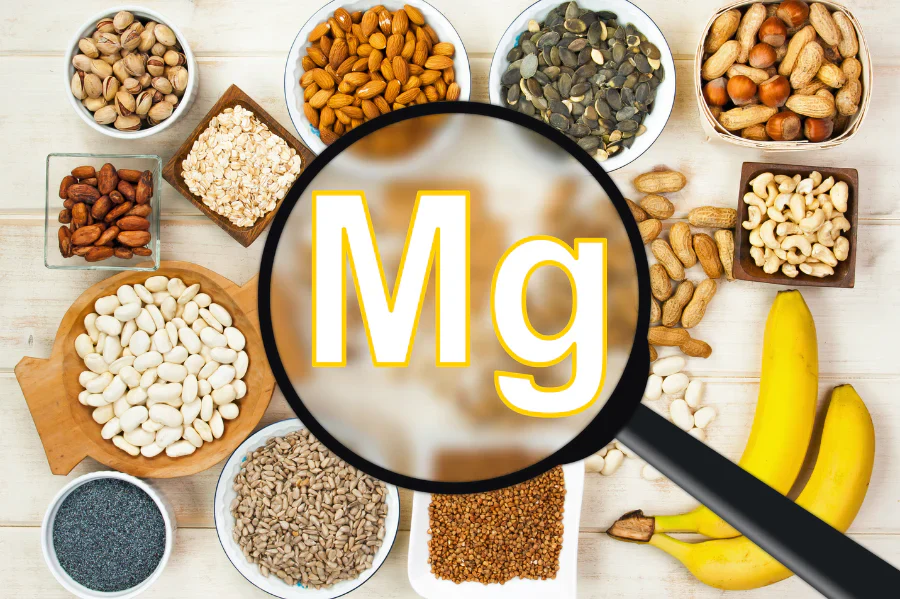
Magnesium is involved in hundreds of biochemical reactions, including processes related to glucose metabolism and insulin signaling.
People with higher dietary magnesium intake tend to have a lower risk of developing type 2 diabetes, and some studies suggest that magnesium supplementation may improve insulin sensitivity or certain glucose measurements. However, clinical research has not established magnesium supplementation as a routine treatment for blood sugar control.
Low magnesium intake or magnesium deficiency may be associated with poorer metabolic health.
However, that doesn’t mean that everyone with normal magnesium status will experience a major reduction in blood glucose from taking a magnesium supplement.
May be considered for:
- inadequate dietary magnesium
- magnesium deficiency
- general metabolic support
Good forms to consider
Depending on the purpose, commonly used forms include:
- magnesium glycinate
- magnesium citrate
- magnesium malate
When might magnesium make sense?
Magnesium supplementation is most logical when:
- dietary intake is inadequate
- a deficiency or low status has been identified
- there is another reason for supplementation
It should not be assumed that taking more magnesium will automatically lower blood glucose.
Can too much magnesium cause problems?
Yes.
High amounts from supplements can cause:
- diarrhea
- abdominal cramping
- nausea
People with kidney problems should seek medical advice before taking magnesium supplements.
See also:
👉 Read our guide: Supplements That Affect Blood Sugar: Mechanisms, Benefits and Risks
3. Cinnamon – — Possible Glucose Support
Cinnamon has been studied for its potential effects on glucose metabolism and insulin sensitivity.
Some clinical trials and reviews suggest that cinnamon may modestly improve certain blood-glucose markers, but results are inconsistent.
Different studies also use different cinnamon species, preparations and doses.
May be considered for:
-people interested in dietary approaches to glucose management
-general metabolic support
Important
Cinnamon should not be considered a replacement for diabetes treatment.
What about eating cinnamon?
Using cinnamon as a normal food spice is very different from taking concentrated supplements.
Large amounts of cassia cinnamon can provide significant amounts of coumarin, which may be a concern for people with liver disease.
Recommended product
👉 Lamberts Cinnamon 2500mg Tablets
4. Chromium — Mixed Evidence
Chromium is an essential trace mineral involved in normal nutrient metabolism.
Chromium supplements are heavily marketed for blood sugar control, but the research is inconsistent.
Some studies suggest possible improvements in fasting glucose or HbA1c, while other trials have found little or no meaningful benefit. The NIH Office of Dietary Supplements notes that results are mixed, and the American Diabetes Association does not recommend chromium supplements routinely for people with diabetes because a clear benefit has not been established.
Should everyone with high blood sugar take chromium?
No.
There is currently insufficient evidence to recommend routine chromium supplementation simply because someone has elevated blood glucose.
High-dose chromium supplements can also cause adverse effects, and long-term safety is not well established.
5. Alpha-Lipoic Acid — Better Known for Nerve Support
Alpha-lipoic acid (ALA) is an antioxidant compound that has been studied in people with diabetes.
One important distinction is often missed:
Alpha-lipoic acid has been studied particularly for diabetic peripheral neuropathy and may help reduce neuropathic pain in some people.
Research suggests that alpha-lipoic acid may help reduce pain associated with diabetic peripheral neuropathy, although results across studies have not been completely consistent. However, ALA has not been shown to be an effective treatment for controlling blood sugar in people with diabetes.
May be considered for:
- diabetic peripheral neuropathy
- nerve-related discomfort associated with diabetes
- antioxidant support
What about blood sugar?
Although ALA has been investigated for glucose metabolism, current evidence does not support using it as a blood-sugar-lowering treatment. A 2019 review summarized by NCCIH found no significant benefit over placebo for blood sugar, cholesterol or triglycerides.
Important
If you have diabetes and take glucose-lowering medication, discuss ALA with your healthcare professional before using it. Some product labels specifically advise people with diabetes to monitor blood glucose because of a possible hypoglycemia concern.
Recommended product
👉 Nutricost Alpha Lipoic Acid 600mg

6. Omega-3 — Best for Cardiometabolic Health
Omega-3 fatty acids, particularly EPA and DHA, are better established for triglyceride and cardiovascular health than for directly lowering blood glucose.
They may therefore be useful as part of a broader cardiometabolic strategy.
May be considered for:
- elevated triglycerides
- cardiovascular risk
- general cardiometabolic health
Important
Omega-3 should not be marketed as a primary blood-sugar-lowering supplement.
👉 Recommended product: Solgar Omega-3 Triple Strength 950 mg
👉 Read: Best Omega-3 for Different Purposes: How to Choose the Right Type
Can Supplements Lower Blood Sugar Too Much?
Yes, potentially.
This is particularly important if you already take:
- insulin
- sulfonylureas
- other glucose-lowering medicines
- multiple supplements marketed for blood sugar control
Combining several products with possible glucose-lowering effects can make it difficult to know what is causing changes in blood glucose.
Don’t stack several “blood sugar” supplements without a reason.
For example, taking berberine + chromium + cinnamon + another glucose-control formula does not necessarily provide greater benefit.
It may simply increase the complexity and potential for adverse effects or interactions.
Supplements and Diabetes Medication: What Should You Know?
If you take medication for diabetes or prediabetes, speak with your healthcare professional before starting a supplement specifically intended to lower glucose.
This is particularly important with berberine and herbal products, because supplements can interact with medicines or produce additive effects. NCCIH advises people taking medicines to discuss berberine and other supplements with their healthcare provider.
Also remember that “natural” does not mean “interaction-free.”
What Actually Helps Blood Sugar Control?
Supplements are only one small part of the picture.
For people with prediabetes or diabetes, evidence-based lifestyle measures remain fundamental.
These include:
- eating patterns rich in vegetables, legumes, whole grains, nuts and seeds
- choosing minimally processed foods
- limiting sugar-sweetened drinks
- controlling portions of refined carbohydrates
- regular physical activity
- maintaining a healthy weight when appropriate
- getting adequate sleep
- following prescribed treatment
The ADA’s 2026 recommendations emphasize dietary patterns, physical activity and other lifestyle measures rather than relying on supplements for glycemic management.
Which Supplement Should You Choose?
There is no single best supplement for everyone.
If your goal is:
Glucose metabolism / insulin sensitivity
→ Berberine has promising evidence, but medication interactions matter.
Correcting inadequate magnesium intake
→ Magnesium may be appropriate.
General metabolic support
→ Cinnamon may be considered, although evidence is mixed.
Chromium supplementation
→ Evidence is mixed and routine high-dose use is not established.
Diabetic nerve symptoms
→ Alpha-lipoic acid has been studied particularly in this area.
High triglycerides / cardiovascular support
→ Omega-3 is more appropriate than using it primarily as a glucose-lowering supplement.
Recommended Blood Sugar Supplements
⭐ Berberine-Based Support
NOW Foods Berberine Glucose Support
Why consider it:
A straightforward berberine option for people specifically interested in metabolic support.
Best for:
People looking for a berberine-based formula.
Important:
Check for medication interactions before use.
NatureBell Berberine 1,500 mg with Ceylon Cinnamon & Turmeric
Why consider it:
Combines berberine with cinnamon and turmeric.
Best for:
People who prefer a multi-ingredient metabolic formula.
Important:
More ingredients do not automatically mean greater effectiveness. Check the total amounts of each active ingredient.
Comprehensive Blood Sugar Formulas
Pure Encapsulations Glucose Support Formula
Contains:
Magnesium, chromium, alpha-lipoic acid and botanical ingredients.
Why consider it:
A multi-ingredient approach for people who prefer a combination formula.
Cravings & Metabolic Support
Life Extension Glycemic Guard
Contains:
Cinnamon, chromium and botanical ingredients.
Best for:
People looking for a multi-ingredient metabolic-support formula.
Nature’s Way Blood Sugar Manager
Best for:
People who prefer a combination blood-sugar-support formula.
Insulin Sensitivity Support
Thorne Berbercap
Why consider it:
A berberine-focused option with a relatively simple ingredient profile.
Doctor’s Best Alpha-Lipoic Acid + Biotin
Why consider it:
An ALA-based option for people interested in antioxidant and metabolic support.
Can You Combine Blood Sugar Supplements?
Potentially, but more supplements are not necessarily better.
Combining several ingredients that may affect glucose could increase the chance of unwanted effects or excessively low blood glucose, particularly when prescription diabetes medications are also being used.
Examples of combinations that require caution include:
- berberine + diabetes medication
- chromium + glucose-lowering medication
- cinnamon + other glucose-lowering supplements
- ALA + diabetes medication
Before combining several blood-sugar supplements, review the complete ingredient list and total daily doses.
Blood Sugar Supplements and Diabetes Medication
This is one of the most important safety considerations.
If you take:
- insulin
- metformin
- sulfonylureas
- GLP-1 medications
- SGLT2 inhibitors
- other glucose-lowering medicines
don’t assume that a supplement is automatically safe because it is labeled “natural.”
Some supplements can affect glucose metabolism or drug absorption.
👉 Read our guide: Supplements That Affect Blood Sugar: Mechanisms, Benefits and Risks
When Should You Not Rely on Supplements?
Do not use supplements as a substitute for medical evaluation if you have:
- persistently elevated blood glucose
- symptoms of diabetes
- unexplained weight loss
- excessive thirst
- frequent urination
- recurrent infections
- significant fatigue
- episodes of suspected hypoglycemia
If you have diabetes, your treatment plan should be based on your individual medical situation.
How to Choose a Blood Sugar Supplement
Before buying a product, check:
1. What is the active ingredient?
Avoid relying only on the phrase “blood sugar support.”
2. What dose does it provide?
Look at the actual amount of each active ingredient.
3. Is there human evidence?
Ingredients with clinical research are preferable to products based primarily on marketing claims.
4. Are you already taking the same ingredients?
Combination formulas can result in unintended duplication.
5. Could it interact with your medication?
This is particularly important with berberine and other compounds that may affect glucose metabolism.
6. Is the product independently tested?
Quality and accurate labeling matter.
Quick Buying Guide
| Goal | Ingredient to consider | What to know |
|---|---|---|
| Insulin sensitivity | Berberine | Promising evidence; interactions important |
| Magnesium intake | Magnesium | Most useful when intake is inadequate |
| General metabolic support | Cinnamon | Evidence is mixed |
| Chromium support | Chromium | Evidence is mixed |
| Nerve support | Alpha-lipoic acid | Studied particularly for diabetic neuropathy |
| Triglycerides / heart health | Omega-3 | Stronger evidence for triglycerides than glucose |
Our Approach to Blood Sugar Supplements
At Nutrient Science Lab, we don’t believe that every supplement marketed for blood sugar is automatically useful.
We look at:
- the available clinical evidence
- the ingredient and dose
- potential benefits
- safety
- medication interactions
- quality and formulation
- whether the supplement actually makes sense for the intended purpose
A good supplement should have a reason behind it — not just a good marketing claim.
What is the best supplement for lowering blood sugar?
There is no universally best supplement. Berberine has relatively promising evidence for glucose metabolism, while magnesium may be most useful when magnesium intake is inadequate. The appropriate choice depends on the individual.
What is the best supplement for insulin resistance?
Berberine has been studied for insulin sensitivity and glucose metabolism, but it can interact with medications and should not replace medical treatment.
Does magnesium lower blood sugar?
Magnesium is involved in normal glucose metabolism and insulin signaling. Supplementation may be most useful when magnesium intake is inadequate or deficiency is present.
Does cinnamon lower blood sugar?
Some studies suggest a modest effect on certain glucose measurements, but results are inconsistent. Cinnamon supplementation is not routinely recommended for glycemic benefits by the ADA.
Does chromium lower blood sugar?
Some research suggests cinnamon may modestly improve certain glucose measures, but results are inconsistent and it should not replace diabetes treatment.
Can I take berberine with diabetes medication?
Do not assume the combination is safe. Berberine may affect glucose metabolism and can interact with medications. Discuss it with a healthcare professional before combining them.
Is alpha-lipoic acid good for blood sugar?
Alpha-lipoic acid has been studied more extensively for symptoms of diabetic neuropathy than for blood sugar control. It should not be considered a proven blood-sugar-lowering treatment.
Can supplements replace diabetes medication?
No. Supplements should never be used as a substitute for prescribed diabetes treatment without medical supervision.
Can healthy people take blood sugar supplements?
There is usually no good reason to take a glucose-lowering supplement simply because you want to “optimize” blood sugar. A healthy diet, physical activity, adequate sleep and maintaining a healthy weight are more important foundations.
Is chromium good for blood sugar?
Chromium is involved in insulin function, but studies of chromium supplementation have produced mixed results.
Does omega-3 lower blood sugar?
Omega-3 is better established for triglyceride and cardiovascular support than for directly lowering blood glucose.
Can I take several blood-sugar supplements together?
Combining several supplements may increase the chance of unwanted effects or excessive glucose lowering. Check the complete formulation and discuss combinations with a healthcare professional.
Bottom Line
Several supplements have been studied for blood sugar and metabolic health, but they are not equivalent and none should be considered a replacement for appropriate diabetes treatment.
Berberine has promising evidence for glucose metabolism.
Magnesium is particularly relevant when magnesium intake is inadequate.
Cinnamon and chromium have mixed evidence.
Alpha-lipoic acid has been studied extensively for diabetic nerve symptoms.
Omega-3 is better established for triglycerides and cardiovascular health than for directly lowering glucose.
The best choice depends on your goal, medications, nutritional status and overall health.
Related Guides
Blood Sugar & Metabolic Health
- Supplements That Affect Blood Sugar: Mechanisms, Benefits and Risks
- Berberine and Metformin: Can They Be Taken Together Safely?
- Alpha-Lipoic Acid: Evidence-Based Guide
- Sugar Cravings: Causes and How to Stop Them (Evidence-Based)
- Omega-3: Benefits, EPA/DHA Ratios, Dosage, Side Effects and Interactions
Supplement Safety
- Supplement & Medication Interactions
- Supplements That Interfere With Blood Pressure Medications
- Supplements That Affect the Absorption of Other Supplements (What to Avoid and What to Combine)
Related guides:
- Magnesium
- Vitamin D
- Omega-3
- Supplements That Affect Blood Sugar
- Supplement & Medication Interactions
- Best Supplements for Hormonal Balance
- Best Supplements for Blood Sugar Control: What Works and How to Choose
- Why You Feel Tired After Eating (Blood Sugar Explained)
- Why Am I Hungry All the Time? Causes, Blood Sugar, Hormones and What It May Mean
- Cortisol-Related Metabolic Effects: How Stress Hormones Affect Weight, Blood Sugar, and Energy
- Sugar Cravings: Causes and How to Stop Them (Evidence-Based)
- Joints & Bone Health
Medical Disclaimer
Medical Disclaimer: This article is for general educational and informational purposes only and is not a substitute for professional medical advice, diagnosis or treatment. Supplements that affect glucose metabolism may interact with diabetes medications and other medicines. If you have diabetes, prediabetes or another metabolic condition, speak with a qualified healthcare professional before starting or combining blood-sugar supplements. Do not stop or change prescribed medication because of information in this article.
Affiliate Disclosure
Some of the products mentioned in this article are available through affiliate links. If you purchase through one of these links, Nutrient Science Lab may receive a commission at no additional cost to you. Our recommendations are based on the ingredients, formulation, available evidence and practical considerations—not on the commission received.
References
- National Institutes of Health — Office of Dietary Supplements. Magnesium Fact Sheet for Health Professionals.
Information on magnesium, glucose metabolism, dietary sources, supplementation and safety. - National Center for Complementary and Integrative Health — Diabetes and Dietary Supplements.
Overview of evidence and safety considerations surrounding supplements used for diabetes and blood glucose. - American Diabetes Association — Standards of Care in Diabetes.
Evidence-based guidance for diabetes management and the role of lifestyle and medical treatment. - National Center for Complementary and Integrative Health — Cinnamon.
Evidence and safety information regarding cinnamon supplementation. - National Institutes of Health — Office of Dietary Supplements. Chromium Fact Sheet.
Information on chromium, glucose metabolism and supplementation. - National Institutes of Health — Office of Dietary Supplements. Omega-3 Fatty Acids Fact Sheet.
Evidence and safety information concerning EPA, DHA and cardiometabolic health. - Cochrane Database of Systematic Reviews / peer-reviewed clinical evidence on alpha-lipoic acid and diabetic neuropathy.
- Peer-reviewed clinical research on berberine and glucose metabolism.
Last reviewed: August 2026
Medical review note: Content has been reviewed for general accuracy and updated to reflect available evidence. This article is educational and does not replace individualized medical advice.
Related guides: