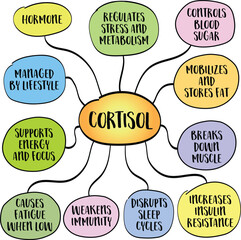
Cortisol-Related Metabolic Effects: How Stress Hormones Affect Weight, Blood Sugar, and Energy
Cortisol is the body’s primary stress hormone and plays an important role in metabolism, blood sugar regulation, and energy balance.
While short-term cortisol release is a normal physiological response, chronically elevated cortisol levels may contribute to metabolic dysfunction over time.
What Is Cortisol?
Cortisol is produced by the adrenal glands and released in response to physical or psychological stress.
👉 Cortisol helps regulate:
- Blood sugar levels
- Energy availability
- Inflammation
- Sleep-wake cycles
- Stress response
👉 Acute cortisol release is essential for survival, but long-term elevation may negatively affect metabolic health.
How Cortisol Affects Metabolism
Blood Sugar Regulation
Cortisol increases blood glucose availability during stress.
👉 It does this by:
- Stimulating glucose production
- Reducing insulin sensitivity
👉 Over time, chronically elevated cortisol may contribute to:
- Blood sugar fluctuations
- Increased cravings
- Insulin resistance patterns
Increased Appetite and Sugar Cravings
Elevated cortisol may influence appetite-regulating hormones and reward pathways.
👉 This may lead to:
- Increased hunger
- Cravings for sugary or high-calorie foods
- Emotional eating patterns
Abdominal Weight Gain
Chronically high cortisol has been associated with increased fat storage, particularly around the abdominal area.
👉 This may occur through:
- Increased appetite
- Changes in insulin response
- Altered fat metabolism
Fatigue and Energy Dysregulation
Although cortisol initially increases alertness, prolonged stress may eventually contribute to:
- Energy crashes
- Sleep disruption
- Mental fatigue
👉 Poor sleep may further worsen cortisol regulation.
Common Signs of Cortisol-Related Metabolic Imbalance
- Difficulty losing weight
- Increased abdominal fat
- Sugar cravings
- Fatigue after meals
- Poor sleep quality
- Brain fog
- Feeling “wired but tired”
👉 These symptoms may overlap with other metabolic conditions.
How to Support Healthy Cortisol Regulation
Stress Management
Reducing chronic stress exposure is one of the most important strategies.
👉 Helpful approaches may include:
- Regular physical activity
- Sleep optimization
- Relaxation techniques
- Consistent meal timing
Supplements Commonly Used for Cortisol and Metabolic Support
Magnesium
👉 Role:
- Supports nervous system regulation
- Helps support stress response
👉 Most relevant in:
- Stress-related fatigue
- Poor sleep
Ashwagandha
👉 Role:
- Adaptogenic herb that may help regulate stress response
👉 Evidence:
- Moderate evidence for cortisol reduction
Omega-3 Fatty Acids
👉 Role:
- Supports inflammation balance and metabolic health
👉 Most relevant in:
- Chronic stress patterns
- Mood and metabolic support
Phosphatidylserine
👉 Role:
- May help regulate cortisol response
👉 Most relevant in:
- Elevated evening cortisol patterns
Comparison: Stress Support vs Metabolic Support

- Targets stress adaptation and cortisol regulation
- Evidence: Moderate
- Supports nervous system and sleep
- Evidence: Moderate
- Supports metabolic and inflammatory balance
- Evidence: Moderate
👉 Interpretation:
Cortisol-related metabolic effects often involve both stress regulation and blood sugar balance.
Evidence Summary
Evidence suggests that chronic stress and elevated cortisol may contribute to metabolic dysfunction, including blood sugar dysregulation, increased appetite, and abdominal weight gain. Nutritional and lifestyle strategies may help support cortisol balance and metabolic health.
When to Seek Medical Advice
Persistent symptoms may indicate underlying hormonal or metabolic conditions.
👉 Consider evaluation if you experience:
- Persistent fatigue
- Significant weight changes
- Sleep disruption
- Symptoms of blood sugar imbalance
Clinical Considerations
Cortisol-related symptoms may overlap with metabolic, endocrine, or psychological conditions.
Supplements may support stress response and metabolic balance but do not replace medical evaluation, diagnosis, or treatment.
Individuals with persistent or severe symptoms should seek professional medical assessment.
What to Do Next
👉 If stress-related metabolic symptoms are frequent:
✔ Prioritize sleep and stress management
✔ Focus on blood sugar stability
✔ Consider targeted metabolic support
Related guides:
- Insulin Resistance — Causes and Evidence-Based Support
- Signs of High Cortisol
- Sugar Cravings: Causes and How to Stop Them (Evidence-Based)
- Why You Feel Tired After Eating (Blood Sugar Explained)
- 😴 Sleep, Stress & Brain Health
- Best Supplements for Immunity: What Works and How to Choose (Evidence-Based Guide)
- Best Supplements for Weight Loss (2026): What Works and What to Avoid
- 💇 Hair Health