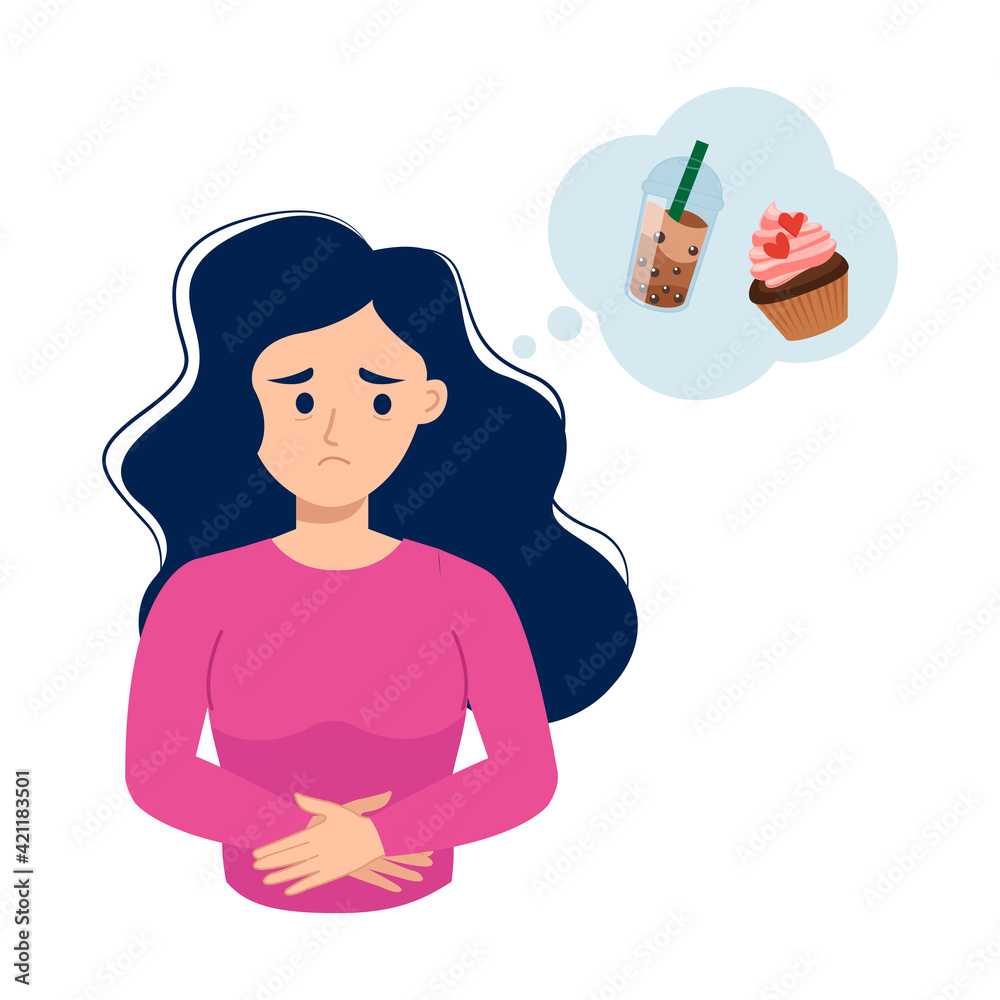
Why Am I Hungry All the Time? Causes, Blood Sugar, Hormones and What It May Mean
Feeling hungry frequently is not always simply a matter of “eating too little.” Persistent hunger may be influenced by blood sugar regulation, meal composition, stress hormones, sleep quality, and metabolic factors.
Occasional hunger is normal, but constant or excessive hunger may indicate an underlying physiological imbalance.
Common Symptoms Associated with Excessive Hunger
- Feeling hungry shortly after meals
- Strong sugar or carbohydrate cravings
- Energy crashes
- Irritability when not eating
- Fatigue after meals
- Difficulty feeling full
- Frequent snacking
Common Causes of Constant Hunger
Blood Sugar Fluctuations
Rapid blood sugar spikes followed by crashes may increase hunger signals.
👉 This often occurs after:
- High-sugar meals
- Refined carbohydrates
- Low-protein meals
👉 Blood sugar instability may contribute to:
- Cravings
- Frequent hunger
- Fatigue
Insulin Resistance Patterns
Insulin plays a central role in regulating blood sugar and energy storage.
👉 In some individuals, altered insulin sensitivity may contribute to:
- Increased appetite
- Cravings
- Hunger shortly after eating
👉 Persistent hunger may sometimes occur alongside:
- Fatigue
- Weight gain
- Sugar cravings
Low Protein and Fiber Intake
Meals lacking protein and fiber are often less satiating.
👉 Protein and fiber help:
- Slow digestion
- Improve fullness
- Stabilize blood sugar
Low intake may increase hunger frequency.
Poor Sleep and Cortisol
Sleep deprivation and chronic stress may affect appetite-regulating hormones.
👉 Elevated cortisol may increase:
- Appetite
- Cravings for high-calorie foods
- Emotional eating patterns
Poor sleep may also influence:
- Ghrelin (“hunger hormone”)
- Leptin (satiety signaling)
Emotional or Stress-Related Eating
Stress and emotional factors may trigger eating independent of true physiological hunger.
👉 This may involve:
- Reward pathways
- Cortisol-related cravings
- Habitual eating patterns
How to Reduce Excessive Hunger Naturally
Improve Meal Composition
Balanced meals may improve satiety and blood sugar stability.
👉 Focus on:
- Protein
- Fiber-rich foods
- Healthy fats
- Complex carbohydrates
Reduce Refined Sugar Intake
Highly processed foods may worsen blood sugar fluctuations and increase cravings.
Improve Sleep Quality
Poor sleep may significantly increase appetite-regulating hormone disruption.
👉 Sleep optimization may help reduce:
- Late-night hunger
- Cravings
- Energy instability
Support Stress Regulation
Managing stress may improve appetite regulation and emotional eating patterns.
Supplements Commonly Used for Appetite and Metabolic Support
Magnesium
👉 Role:
- Supports glucose metabolism
- Helps regulate stress response
Most relevant in:
- Stress-related eating patterns
- Blood sugar support
Chromium
👉 Role:
- Supports insulin function
- May help regulate appetite and cravings
Most relevant in:
- Sugar cravings
- Blood sugar instability
Alpha-Lipoic Acid (ALA)
👉 Role:
- Supports glucose metabolism
- Helps support insulin sensitivity
Most relevant in:
- Metabolic support patterns
Berberine
👉 Role:
- Supports insulin sensitivity and glucose regulation
Most relevant in:
- Blood sugar imbalance
- Frequent hunger associated with metabolic dysfunction
Omega-3 Fatty Acids
👉 Role:
- Supports inflammation balance and metabolic health
Most relevant in:
- Metabolic syndrome patterns
- Chronic stress and appetite dysregulation
Comparison: Normal Hunger vs Metabolic Hunger Patterns
Normal Hunger
- Gradual onset
- Improves after balanced meals
- Predictable meal timing
Metabolic or Dysregulated Hunger
- Hunger shortly after eating
- Strong cravings
- Energy crashes
- Frequent snacking
👉 Interpretation:
Persistent hunger combined with fatigue, cravings, or blood sugar instability may indicate metabolic imbalance rather than normal appetite alone.
Evidence Summary
Research suggests that blood sugar regulation, sleep quality, stress hormones, and meal composition all influence appetite and satiety. Persistent hunger patterns are commonly associated with blood sugar instability and metabolic dysfunction.
Why am I hungry shortly after eating?
Meals high in refined carbohydrates and low in protein or fiber may lead to rapid blood sugar fluctuations and reduced satiety.
Can stress make you hungry?
Yes. Chronic stress and elevated cortisol may increase appetite and cravings, especially for high-calorie foods.
Does poor sleep affect appetite?
Yes. Poor sleep may alter hunger-regulating hormones such as ghrelin and leptin.
What deficiency causes constant hunger?
In some cases, nutrient deficiencies or poor dietary balance may contribute to increased appetite, though blood sugar regulation and sleep are often more significant factors.
Can blood sugar problems cause hunger?
Yes. Blood sugar fluctuations and insulin resistance patterns may contribute to excessive hunger and cravings.
What supplements may help with cravings and appetite control?
Magnesium, chromium, alpha-lipoic acid, berberine, and omega-3 fatty acids are commonly used for metabolic support.
When to Seek Medical Advice
Persistent excessive hunger may sometimes be associated with metabolic, hormonal, or medical conditions.
👉 Consider medical evaluation if symptoms occur alongside:
- Significant weight changes
- Severe fatigue
- Dizziness or shakiness
- Excessive thirst
- Frequent urination
Clinical Considerations
Persistent hunger and appetite changes may be influenced by metabolic, hormonal, psychological, or medical factors.
Nutritional supplements may support metabolic health and appetite regulation but do not replace medical evaluation, diagnosis, or treatment.
Individuals experiencing persistent or severe symptoms should seek assessment by a qualified healthcare professional.
Related Guides
- Insulin Resistance
- Sugar Cravings
- Why Do I Feel Tired After Eating?
- Cortisol-Related Metabolic Effects
- Best Supplements for Blood Sugar Control
References
- National Institutes of Health (NIH) — Blood sugar and metabolism overview
- PubMed — Insulin resistance and appetite regulation
- PubMed — Sleep deprivation and appetite hormones
- Harvard Health — Cortisol, stress, and eating behavior
- American Diabetes Association — Prediabetes and metabolic health overview