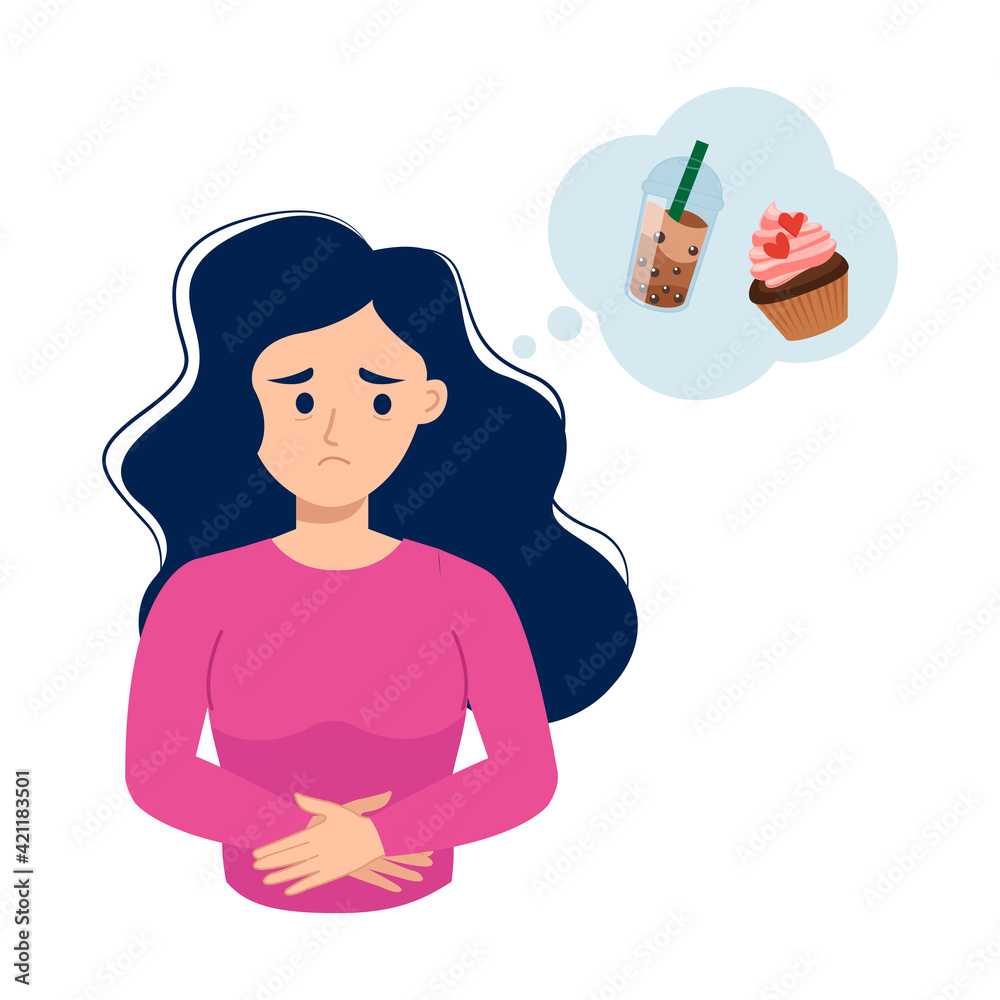
Why Do I Feel Exhausted During My Period? Hormones, Iron, Inflammation and Energy Explained
Feeling unusually tired, weak, or drained during your period is a very common symptom and may be influenced by hormonal fluctuations, iron loss, inflammation, sleep disruption, blood sugar instability, and stress.
For some individuals, fatigue during menstruation is mild and temporary. For others, it may significantly affect energy levels, concentration, mood, and daily functioning.
Menstrual fatigue often involves multiple overlapping physiological factors rather than a single cause alone.
Common Symptoms Associated with Period Fatigue
- Low energy
- Weakness
- Brain fog
- Heavy legs or body fatigue
- Sleepiness
- Irritability
- Dizziness
- Sugar cravings
- Difficulty concentrating
- Reduced motivation
Why You May Feel Exhausted During Your Period
Hormonal Fluctuations
Hormone levels shift significantly during the menstrual cycle.
👉 Changes in:
- estrogen
- progesterone
may affect:
- mood
- energy
- sleep quality
- nervous system regulation
These hormonal shifts may contribute to fatigue and reduced resilience during menstruation.
Iron Loss During Menstruation
Blood loss during periods may contribute to reduced iron stores, especially in individuals with heavier menstrual bleeding.
👉 Low iron levels may contribute to:
- fatigue
- dizziness
- weakness
- poor concentration
- reduced exercise tolerance
Inflammation and Prostaglandins
Inflammatory compounds called prostaglandins increase during menstruation.
👉 Elevated prostaglandins may contribute to:
- cramps
- body aches
- fatigue
- headaches
- digestive symptoms
Blood Sugar Fluctuations and Cravings
Some individuals experience:
- stronger cravings
- appetite changes
- blood sugar instability
during certain phases of the menstrual cycle.
This may contribute to:
- energy crashes
- shakiness
- fatigue
Poor Sleep and Stress
Pain, stress, hormonal fluctuations, and nervous system activation may worsen sleep quality during menstruation.
Poor sleep may further increase:
- fatigue
- irritability
- cortisol dysregulation
How to Improve Period-Related Fatigue Naturally
Prioritize Iron-Rich Nutrition
Iron intake may be particularly important during menstruation.
👉 Iron-rich foods include:
- red meat
- legumes
- leafy greens
- seafood
Stabilize Blood Sugar
Balanced meals containing:
- protein
- fiber
- healthy fats
may help reduce energy crashes and cravings.
Improve Sleep Quality
Sleep support strategies may improve nervous system recovery and fatigue resilience.
Reduce Excessive Stress
Stress may worsen:
- fatigue
- inflammation
- hormonal symptoms
- sleep quality
Supplements Commonly Used for Period Fatigue and Hormonal Support
B-Complex + Magnesium
👉 Role:
Supports nervous system regulation, energy metabolism, and stress resilience.
Most relevant in:
- fatigue
- low energy
- stress-related exhaustion
- PMS-related fatigue
Iron Bisglycinate
👉 Role:
Supports red blood cell production and oxygen transport.
Most relevant in:
- heavy periods
- low iron patterns
- dizziness and weakness
NAC (N-Acetyl Cysteine)
👉 Role:
Supports antioxidant defenses and inflammatory balance.
Most relevant in:
- inflammation-related fatigue
- PMS-related symptoms
Curcumin Phytosome
👉 Role:
Supports inflammatory balance and recovery.
Most relevant in:
- cramps
- inflammatory discomfort
- body fatigue
Evening Primrose Oil
👉 Role:
Traditionally used for hormonal and PMS-related symptom support.
Most relevant in:
- PMS symptoms
- breast tenderness
- hormonal fluctuations
Electrolyte Support
👉 Role:
Supports hydration, circulation, and energy stability.
Most relevant in:
- fatigue
- headaches
- dizziness during menstruation
Comparison: Normal Menstrual Fatigue vs Excessive Fatigue
Mild Menstrual Fatigue
- temporary tiredness
- mild energy reduction
- manageable symptoms
Excessive Menstrual Fatigue
- severe exhaustion
- dizziness
- heavy bleeding
- difficulty functioning normally
- ongoing weakness
👉 Interpretation:
Severe fatigue during menstruation may indicate iron deficiency, hormonal imbalance, inflammatory burden, sleep disruption, or other medical conditions.
Evidence Summary
Research suggests hormonal fluctuations, inflammatory compounds, iron loss, sleep quality, and blood sugar regulation all influence fatigue during menstruation.
Lifestyle strategies focused on sleep, balanced nutrition, iron status, stress regulation, and inflammatory support may help improve symptoms in some individuals.
Why am I so tired during my period?
Hormonal fluctuations, inflammation, blood loss, poor sleep, and blood sugar instability may all contribute to menstrual fatigue.
Can low iron cause fatigue during menstruation?
Yes. Iron loss during menstruation may contribute to weakness, dizziness, and low energy.
Why do I crave sugar during my period?
Hormonal changes and blood sugar fluctuations may increase cravings and appetite changes during the menstrual cycle.
Can stress worsen period fatigue?
Yes. Chronic stress may worsen sleep quality, cortisol balance, inflammation, and fatigue symptoms.
What supplements are commonly used for period fatigue?
B-complex with magnesium, iron bisglycinate, NAC, curcumin phytosome, evening primrose oil, and electrolyte support are commonly used.
Can poor sleep worsen menstrual symptoms?
Yes. Sleep disruption may worsen fatigue, mood changes, cravings, and stress hormone imbalance.
When to Seek Medical Advice
Medical evaluation is recommended if symptoms occur alongside:
- extremely heavy bleeding
- severe dizziness
- fainting
- significant fatigue
- worsening symptoms over time
- persistent weakness
Clinical Considerations
Fatigue during menstruation may involve hormonal, inflammatory, nutritional, metabolic, or stress-related factors.
Nutritional supplements may support energy metabolism and hormonal balance but do not replace medical evaluation, diagnosis, or treatment.
Individuals with persistent or severe symptoms should seek assessment by a qualified healthcare professional.
Related Guides
- Why Am I Always Tired?
- Cortisol-Related Metabolic Effects
- Why Am I Hungry All the Time?
- Best Supplements for PMS
- Iron Deficiency and Fatigue
- Why Do I Wake Up Sweating at Night?
References
- National Institutes of Health (NIH) — Menstrual health and fatigue overview
- PubMed — Iron deficiency and menstrual fatigue
- PubMed — Hormonal fluctuations and energy regulation
- Harvard Health — PMS and menstrual symptoms
- Cleveland Clinic — Causes of fatigue during menstruation