Best Supplements for PMS: What Works, When to Take Them & Safety
Premenstrual syndrome (PMS) can cause a wide range of physical and emotional symptoms during the days or weeks before a period.
Common symptoms include bloating, cramps, breast tenderness, headaches, fatigue, food cravings, irritability, anxiety, mood changes and sleep problems.
For some women, PMS is mild. For others, symptoms can interfere significantly with work, relationships, sleep and everyday life.
Lifestyle changes are an important part of PMS management, but several vitamins, minerals and herbal supplements have also been studied.
The important question is not simply:
What is the best supplement for PMS?
It is:
Which supplement may help the symptoms you experience, and is it appropriate and safe for you?
The evidence varies considerably between supplements. Calcium has some of the strongest nutritional evidence, while magnesium, vitamin B6, omega-3 and Vitex may help certain women but have more limitations in the research.
What Is PMS?
Premenstrual syndrome is a group of physical, emotional and behavioral symptoms that occur repeatedly before menstruation.
Symptoms typically appear during the luteal phase, after ovulation and before the period, and improve after menstruation begins.
The pattern is important. Symptoms that occur throughout the entire month and simply become worse before a period may have another cause.
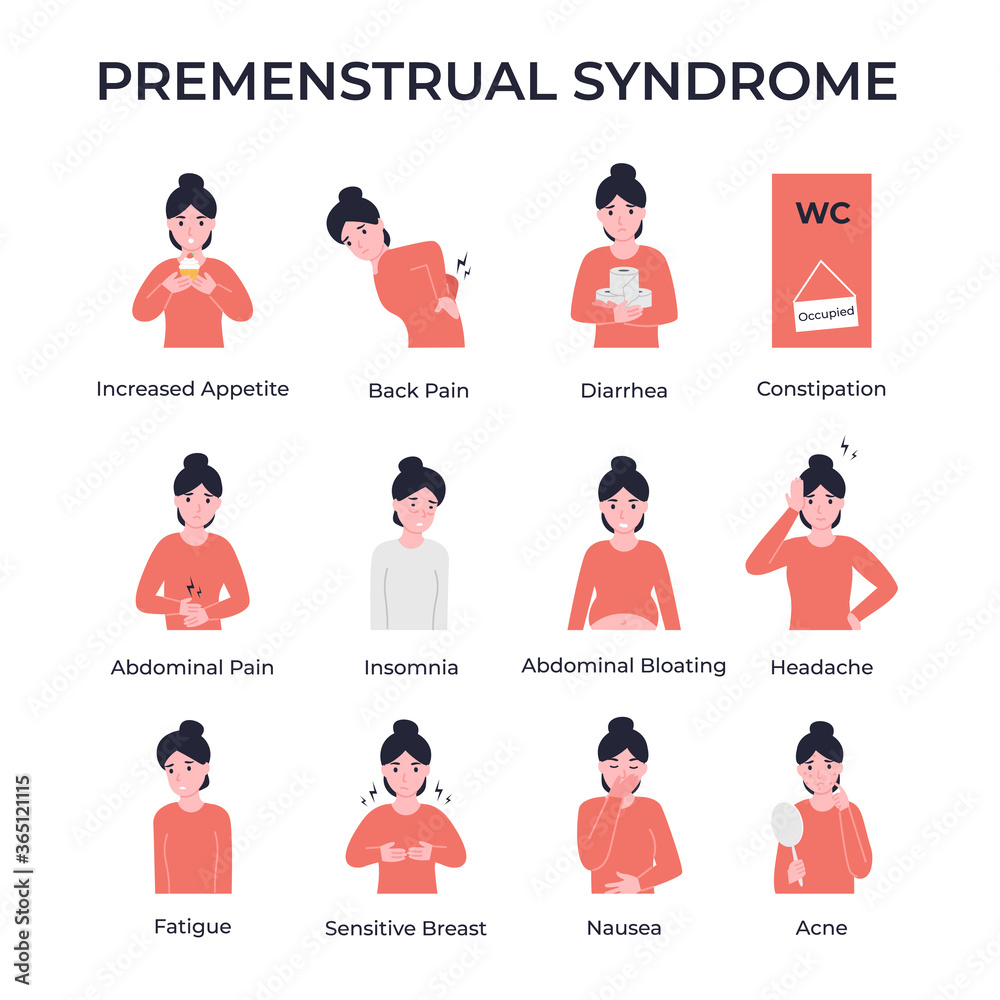
Common PMS Symptoms
PMS can affect several areas of health.
Physical symptoms
- Bloating
- Abdominal cramps
- Breast tenderness
- Headaches
- Fatigue
- Backache
- Muscle or joint discomfort
- Acne
- Sleep problems
- Constipation or diarrhea
- Changes in appetite
- Food cravings
- Fluid retention
Emotional symptoms
- Irritability
- Mood swings
- Anxiety
- Feeling emotional
- Low mood
- Difficulty concentrating
- Reduced motivation
- Increased sensitivity
Not everyone experiences the same symptoms, and severity can vary from cycle to cycle.
What Causes PMS?
The exact cause of PMS is not completely understood.
Normal hormonal changes during the menstrual cycle appear to play an important role. Estrogen and progesterone fluctuate considerably, and some women may be particularly sensitive to these changes.
Other factors may influence symptoms, including:
- Stress
- Poor sleep
- Diet
- Physical inactivity
- Individual nutritional status
- Existing anxiety or depression
- Other gynecological conditions
This helps explain why two women with apparently normal menstrual cycles can experience very different PMS symptoms.
PMS vs PMDD: What’s the Difference?
PMS and premenstrual dysphoric disorder (PMDD) are not the same.
PMDD is a more severe condition in which emotional and psychological symptoms can become disabling.
Symptoms can include:
- Severe irritability
- Severe mood swings
- Significant anxiety
- Depression
- Difficulty functioning
- Problems with relationships
- Severe sleep disturbance
If symptoms are severe enough to interfere substantially with everyday life, medical evaluation is important.
Supplements should not be used as a substitute for appropriate treatment of PMDD.
The American College of Obstetricians and Gynecologists’ clinical guideline addresses PMS and PMDD as conditions that may require a broader treatment approach rather than supplements alone.
Best Supplements for PMS: Quick Comparison
| Supplement | Potential benefit | Evidence | Particularly relevant for |
|---|---|---|---|
| Calcium | May reduce several PMS symptoms | Promising | General PMS symptoms |
| Magnesium | May help some physical symptoms | Limited/mixed | Bloating, cramps, fluid retention |
| Vitamin B6 | May help some mood-related symptoms | Possible benefit | Irritability, mood changes |
| Magnesium + B6 | May help physical + mood symptoms | Limited | Multiple PMS symptoms |
| Omega-3 | May reduce PMS severity and pain | Promising but heterogeneous | Pain and broader symptoms |
| Vitex | May improve some PMS symptoms | Some evidence, but limitations | Breast tenderness and broader PMS |
| Combination formulas | Convenient multi-ingredient approach | Depends on ingredients | Multiple symptoms |
1. Calcium — One of the Better-Studied Nutrients for PMS
Calcium is one of the nutritional supplements with some of the strongest evidence for PMS.
Clinical research has found that adequate calcium intake may improve several PMS symptoms, including mood changes, food cravings, fluid retention and pain. However, this does not mean that everyone with PMS should take a high-dose calcium supplement.
Start with your diet
Before taking calcium supplements, consider how much calcium you already obtain from food.
Good sources include:
- Milk
- Yogurt
- Cheese
- Calcium-fortified plant beverages
- Calcium-set tofu
- Canned fish with edible bones
- Some leafy green vegetables
If your dietary intake is adequate, you may not need a calcium supplement simply because you have PMS.
What about calcium supplements?
Calcium supplements can be useful when dietary intake is insufficient, but more is not necessarily better.
High supplemental calcium intake can cause gastrointestinal problems such as constipation and, in some circumstances, may increase the risk of kidney stones. Research concerning calcium supplements and cardiovascular disease has produced mixed results: some studies have suggested a possible increase in cardiovascular risk, while others have found no significant association.
For this reason, we recommend avoiding unnecessarily high doses and considering your total calcium intake from food, supplements and fortified products.
The adult upper limit for total calcium intake is 2,500 mg/day for adults aged 19–50 and 2,000 mg/day for adults aged 51 and older, including calcium from food, beverages and supplements. These are upper limits, not recommended daily targets.
When should you take calcium for PMS?
Unlike magnesium, there is not good evidence that calcium needs to be started exactly one week before your period.
The clinical studies showing PMS benefits generally used regular calcium supplementation over several menstrual cycles, rather than taking a large dose only when symptoms appeared.
Therefore, if calcium supplementation is appropriate for you, it makes more sense to ensure consistent adequate calcium intake rather than taking a high dose only during the premenstrual week.
How should you take calcium?
The form matters:
Calcium carbonate is best taken with food.
Calcium citrate can be taken with or without food.
Calcium absorption is also better when individual supplemental doses are 500 mg or less at a time.
Who should be particularly cautious?
Speak with a healthcare professional before taking calcium supplements if you:
- Have a history of kidney stones
- Have kidney disease
- Have high blood calcium
- Have a parathyroid disorder
- Take medications that interact with calcium
- Already consume large amounts of calcium through diet or other supplements
Bottom line
Calcium may be one of the more useful nutritional options for PMS, but the goal is adequate calcium intake — not high-dose calcium supplementation.
If your diet already provides enough calcium, taking additional calcium may offer little benefit and could add unnecessary risk.
2. Magnesium — Particularly Interesting for Physical PMS Symptoms
Magnesium is commonly used for PMS, especially when symptoms include:
- Bloating
- Fluid retention
- Cramps
- Muscle tension
- Breast tenderness
- Headaches
- Some mood-related symptoms
The evidence is not as strong as it is for calcium, but clinical studies have reported improvements in some PMS symptoms.
An older randomized trial found that magnesium given during the second half of the menstrual cycle improved some premenstrual symptoms, particularly negative affect.
However, the evidence base remains limited and different studies have used different magnesium preparations and schedules.
Which Magnesium Form Is Best for PMS?
There is no magnesium form proven to be universally best for PMS.
Magnesium glycinate
Often chosen because it is generally well tolerated.
Magnesium citrate
Well absorbed but can have a laxative effect.
Magnesium oxide
Contains a relatively high amount of elemental magnesium but may be less well absorbed and can cause gastrointestinal effects.
For someone specifically looking for a well-tolerated magnesium supplement, magnesium glycinate is a reasonable practical option, without claiming that it is clinically proven superior for PMS.
Evidence-Based Supplement Combination for PMS: Magnesium + B-Complex
Magnesium + B-complex is a popular combination for PMS, particularly when symptoms include both physical and emotional complaints.
Magnesium supports normal nerve and muscle function, while vitamin B6 is involved in neurotransmitter production and has been studied for PMS symptoms such as irritability, mood changes, anxiety and bloating.
A small randomized, double-blind crossover study found that magnesium combined with vitamin B6 produced a modest improvement in anxiety-related premenstrual symptoms, including nervous tension, mood swings, irritability and anxiety. The study used 200 mg magnesium plus 50 mg vitamin B6 daily for one menstrual cycle. However, the study involved only 44 women, and the researchers concluded that further studies were needed before making general recommendations.
Another clinical trial comparing magnesium, vitamin B6 and placebo over two menstrual cycles found the greatest reduction in PMS scores in the magnesium + vitamin B6 group, although the study was relatively small and does not establish that the combination is superior for everyone.
Potential benefits
Magnesium + B vitamins may be particularly interesting when PMS includes:
- Irritability
- Mood changes
- Nervous tension
- Anxiety
- Bloating
- Muscle tension or cramps
- Fatigue
When should you start?
If your PMS symptoms reliably begin about one week before your period, starting a magnesium-containing supplement around the beginning of your usual symptoms is a reasonable practical approach.
Research has also investigated magnesium during the second half of the menstrual cycle, rather than only after symptoms appear. However, there is currently no established rule that exactly seven days before menstruation is the optimal starting time for everyone.
Important: B6 dose matters
Do not assume that a higher dose of B6 provides greater PMS benefits.
Some older PMS research used 50 mg of B6, but this should not be interpreted as a recommendation for long-term daily use. Excessive vitamin B6 supplementation can cause peripheral neuropathy.
If you use a magnesium + B-complex product, check how much vitamin B6 it provides and add that to the B6 you may already be getting from a multivitamin, B-complex, PMS formula or other supplement.
Our view
Magnesium + B-complex is a reasonable combination to consider for PMS, particularly when physical symptoms occur together with irritability, mood changes or nervous tension.
However, the evidence for the combination itself remains limited, so we would describe it as a promising combination rather than one of the proven “most effective” PMS treatments.
Magnesium + Vitamin B6 for PMS: When to Start, How to Take It & Safety
Magnesium and vitamin B6 are commonly combined in PMS supplements because they may support different aspects of premenstrual symptoms.
Magnesium is involved in normal nerve and muscle function, while vitamin B6 has been studied for symptoms such as irritability, mood changes, anxiety and bloating.
The evidence for the combination is promising but limited.
A small randomized, double-blind crossover study involving 44 women compared magnesium, vitamin B6, the combination and placebo. The combination of 200 mg magnesium plus 50 mg vitamin B6 daily produced a modest improvement in anxiety-related premenstrual symptoms, including nervous tension, mood swings, irritability and anxiety. However, the study lasted only one menstrual cycle and the researchers stated that further studies were needed before making general recommendations.
Another randomized clinical trial involving 126 women compared magnesium, vitamin B6 and placebo over two menstrual cycles and found reductions in PMS scores, although the study does not establish that the combination is universally superior.
When Should You Start Magnesium + B6 for PMS?
If your PMS symptoms are predictable, taking magnesium during the premenstrual phase is a reasonable approach to consider.
Some research has investigated magnesium during the second half of the menstrual cycle. In one randomized study, magnesium was taken from approximately day 15 until menstruation began.
What does this mean in practice?
If your PMS symptoms usually begin approximately one week before your period, you could consider starting a magnesium-containing supplement around the time your symptoms normally begin.
For example:
Expected period: Day 28
PMS usually begins: Day 21
Possible starting point: Around Day 21
You could continue through the first few days of menstruation if symptoms continue.
However:
There is no strong evidence that exactly seven days before menstruation is the optimal starting point for everyone.
Research has used different schedules.
Reasonable approaches include:
- Starting when your usual PMS symptoms begin
- Starting approximately one week before your expected period if that matches your normal pattern
- Continuing through the first days of menstruation if symptoms persist
- Taking magnesium regularly throughout the month if dietary magnesium intake is consistently low or daily supplementation is more convenient
How Should You Take Magnesium + B6?
Follow the dosage instructions for the specific product.
Do not automatically copy the doses used in older research studies.
Taking the supplement with food may improve stomach tolerance.
If magnesium causes:
- Diarrhea
- Abdominal cramping
- Nausea
consider reducing the amount or discussing another magnesium form with a pharmacist or healthcare professional.
Also check whether you are already taking magnesium or B6 from another supplement.
Vitamin B6 Safety: More Is Not Better
Vitamin B6 deserves particular attention because high supplemental doses can cause peripheral neuropathy.
Some older PMS studies used relatively high doses, including 50 mg or more per day. These research doses should not automatically be interpreted as recommendations for long-term supplementation. Older trials have also produced conflicting results.
The U.S. National Institutes of Health lists an adult upper limit of 100 mg/day, but the European Food Safety Authority established a considerably lower adult upper limit of 12 mg/day in 2023, based on evidence concerning peripheral neuropathy.
For this reason:
Do not choose a high-dose B6 supplement simply because it contains more B6.
Check your total B6 intake from:
- Multivitamins
- B-complex supplements
- PMS formulas
- Magnesium + B6 products
- Energy supplements
- Fortified foods and drinks
Long-term excessive B6 can cause symptoms such as:
- Tingling
- Numbness
- Burning sensations
- Reduced sensation
- Balance problems
Persistent neurological symptoms should be medically evaluated.
3. Vitamin B6 — May Help Some PMS Symptoms
Vitamin B6 is one of the most studied vitamins for PMS.
Research has suggested that B6 may improve some PMS symptoms, particularly:
- Irritability
- Mood changes
- Depressive symptoms
- Anxiety
- Bloating
A systematic review of randomized trials found a possible benefit for overall PMS and depressive symptoms, but also emphasized limitations in the quality of the available trials.
More recent research continues to suggest possible benefits from B6 and broader micronutrient approaches, but better-designed studies are still needed.
Important
More B6 is not necessarily more effective.
Because of the risk of neuropathy from excessive intake, avoid high-dose B6 unless specifically recommended by a healthcare professional.
4. Omega-3 Fatty Acids — Possible Support for PMS and Menstrual Pain
Omega-3 fatty acids, particularly EPA and DHA, have been investigated for PMS and menstrual pain.
A 2022 systematic review and meta-analysis of randomized trials found that omega-3 supplementation was associated with reductions in overall PMS severity as well as somatic and psychological symptoms. However, the studies were highly heterogeneous, so the results should be interpreted cautiously.
Omega-3 has also been studied specifically for menstrual pain. A 2024 systematic review found that daily omega-3 supplementation over 2–3 months was associated with reduced dysmenorrhea pain, although the quality of the underlying evidence had limitations.
Best suited for:
- Menstrual pain
- Cramps
- Broader PMS symptoms
- People who already want omega-3 for general nutritional or cardiometabolic reasons
When Should You Take Omega-3?
Omega-3 supplements are generally taken with a meal.
Unlike magnesium, there is no established evidence that omega-3 needs to be started exactly one week before menstruation.
The available studies generally used daily supplementation over several weeks or months, rather than only during the few days before a period.
Omega-3 Interactions
If you take:
- Anticoagulants
- Antiplatelet medicines
- Several medicines that affect bleeding
or have a bleeding disorder, discuss omega-3 supplementation with your healthcare professional.
Also tell your doctor before surgery.
5. Vitex (Chasteberry) — Herbal PMS Support
Vitex agnus-castus, commonly called Vitex or chasteberry, is one of the better-studied herbal supplements for PMS.
Research has investigated Vitex for symptoms including:
- Breast tenderness
- Irritability
- Mood symptoms
- Bloating
- Headache
- Other premenstrual symptoms
A systematic review found positive results in many randomized trials, but also identified substantial heterogeneity and a high risk of bias in much of the evidence.
A later meta-analysis restricted to properly characterized double-blind, placebo-controlled trials found that women taking certain Vitex preparations were more likely to experience remission of PMS symptoms than those taking placebo, although more high-quality trials are still needed.
Best suited for:
- Breast tenderness
- Broader PMS symptoms
- Selected women who prefer an herbal option
When Should You Take Vitex?
Vitex is generally studied as a regular supplement over multiple menstrual cycles, rather than simply taking it once symptoms appear.
Some studies have used Vitex for several cycles, while individual products have their own dosing instructions.
Follow the instructions for the specific standardized preparation rather than assuming that all Vitex products are interchangeable.
Vitex Safety and Interactions
NCCIH notes that chasteberry is generally well tolerated in the short term, but possible side effects include:
- Nausea
- Stomach pain
- Diarrhea
- Headache
- Itching
Chasteberry may not be appropriate for people with hormone-sensitive conditions and may be unsafe during pregnancy or breastfeeding.
Because it may affect hormonal pathways, talk to a healthcare professional before using Vitex if you:
- Take hormonal contraception
- Use fertility medication
- Are pregnant or breastfeeding
- Have a hormone-sensitive condition
- Take prescription medication regularly
What About Combination PMS Supplements?
Combination products can be convenient because PMS often causes several symptoms simultaneously.
A formula might contain:
- Magnesium
- Vitamin B6
- Calcium
- Vitamin D
- Vitex
- Other vitamins or botanicals
But more ingredients do not automatically mean a better product.
Before choosing a combination formula, check:
- The exact amount of every ingredient
- Whether it contains vitamin B6
- Whether you already take the same nutrients separately
- Possible medication interactions
- Whether the doses are clearly disclosed
Particularly important: vitamin B6
If your combination product contains B6, add it to the B6 you receive from your multivitamin, B-complex or other supplements.
Avoid accidentally stacking multiple B6-containing products.
Can You Combine PMS Supplements?
Sometimes, but there is no reason to take several supplements simply because each one has some evidence.
For example, a person might already take:
- A multivitamin
- B-complex
- Magnesium
- PMS formula
- Calcium
This can create unnecessary duplication.
A better approach
Choose the supplement according to your main symptoms and nutritional needs.
For example:
Bloating / fluid retention → Magnesium
Broader PMS symptoms → Calcium
Mood-related symptoms → B6 may be considered
Pain → Omega-3 may be considered
Breast tenderness / broader PMS → Vitex may be considered
Then reassess rather than automatically adding another supplement.
PMS Supplements and Medication Interactions
Always check interactions if you take medication regularly.
Calcium and magnesium
May interfere with absorption of certain:
- Thyroid medications
- Antibiotics
- Osteoporosis medications
Omega-3
Use caution with medicines that affect bleeding.
Vitex
May not be appropriate with certain hormonal treatments or hormone-sensitive conditions.
Vitamin B6
Check the complete medication and supplement list rather than assuming a vitamin supplement is automatically safe.
If you take several medicines, ask a pharmacist to check the entire combination.
What About Iron?
Iron is not a routine PMS supplement.
However, women with heavy menstrual bleeding can develop iron deficiency.
Iron deficiency may cause:
- Fatigue
- Weakness
- Headaches
- Dizziness
- Reduced exercise tolerance
If your periods are heavy and you experience persistent fatigue, it may be more useful to investigate iron status than to simply add another PMS supplement.
👉 Read our guide: Iron Deficiency — Symptoms, Causes & What to Do
👉 Read: Best Iron Supplements
What About Vitamin D?
Vitamin D is important for:
- Bone health
- Calcium metabolism
- Muscle function
- Immune function
Vitamin D has also been investigated in relation to PMS.
However, there is not enough evidence to recommend vitamin D specifically as a PMS treatment for everyone.
It makes more sense to correct inadequate vitamin D intake or deficiency when appropriate rather than taking high doses simply because you experience PMS.
👉 Read: Vitamin D — Benefits, Deficiency, Dosage & Safety
What About Evening Primrose Oil?
Evening primrose oil is frequently marketed for PMS and breast tenderness.
However, evidence for PMS is not strong enough to place it among the best-supported options.
If you have an Evening Primrose Oil guide on Nutrient Science Lab, this PMS article can link to it for readers who want more information.
When Should You Start PMS Supplements?
There is no single starting day that applies to every supplement.
Magnesium
If your symptoms predictably begin about one week before your period, starting magnesium around the beginning of your usual PMS symptoms is reasonable.
Some research has investigated magnesium during the second half of the cycle, including from approximately day 15 until menstruation.
Vitamin B6
Research has generally used regular supplementation over menstrual cycles rather than establishing a specific “seven days before your period” schedule.
Calcium
Research has generally evaluated regular supplementation over several menstrual cycles rather than taking calcium only when symptoms appear.
Omega-3
Studies have generally used daily supplementation for weeks or months rather than only during the premenstrual week.
Vitex
Studies generally evaluate Vitex over multiple menstrual cycles.
The practical rule
Match the timing to the ingredient and the evidence — not simply to the day your symptoms start.
Lifestyle Changes That May Help PMS
Supplements should not replace basic lifestyle measures.
Helpful strategies include:
- Regular physical activity
- A balanced diet
- Adequate sleep
- Stress management
- Limiting excessive alcohol
- Not smoking
Keeping a daily symptom diary for at least two menstrual cycles can also help establish whether symptoms follow a predictable premenstrual pattern.
This is particularly useful when trying to distinguish PMS from symptoms that occur throughout the month.
When Should You See a Doctor?
Talk to a healthcare professional if:
- PMS significantly interferes with daily life
- Symptoms affect work or relationships
- Symptoms are becoming worse
- Lifestyle changes have not helped
- You have severe mood symptoms
- Your periods are unusually heavy
- You have severe or unusual pelvic pain
- Symptoms do not improve after menstruation begins
- You suspect anemia or another medical problem
Persistent symptoms may sometimes indicate another condition rather than PMS.
PMS or Something Else?
Several conditions can cause symptoms that resemble or overlap with PMS.
These include:
- Depression
- Anxiety disorders
- Thyroid disorders
- Endometriosis
- Fibroids
- Iron-deficiency anemia
- Migraine
- Polycystic ovary syndrome
- Perimenopause
The cyclic pattern is an important clue.
PMS symptoms should generally appear before menstruation and improve once the period begins.
Severe Mood Symptoms and PMDD
If you experience severe depression, anxiety, anger or emotional symptoms before your period, speak with a healthcare professional.
This may indicate PMDD rather than ordinary PMS.
PMDD can substantially affect quality of life and may require medical treatment.
If you have suicidal thoughts or feel that you may harm yourself, seek urgent medical care rather than attempting to manage the problem with supplements.
Best PMS Supplements: Our Practical Ranking
🥇 Calcium — Best-supported nutritional option
Best for: broader PMS symptom support
Evidence: relatively promising
Important: consider dietary calcium before adding a high-dose supplement.
🥈 Magnesium — Best for physical symptoms
Best for: bloating, fluid retention, cramps and some physical PMS symptoms
Evidence: limited/mixed
Important: choose a well-tolerated form and check medication interactions.
🥉 Vitamin B6 — Potentially useful for mood-related symptoms
Best for: irritability, mood changes and possibly bloating
Evidence: possible benefit
Important: avoid excessive doses and check your total B6 intake.
4. Omega-3 — Consider for pain and broader symptoms
Best for: menstrual pain and potentially broader PMS symptoms
Evidence: promising but heterogeneous
5. Vitex — Herbal option with some evidence
Best for: selected women with breast tenderness or broader PMS symptoms
Evidence: promising but limited by study quality and differences between preparations
Important: check hormonal and medication interactions.
Recommended Individual PMS Supplements
The products below are examples of individual-ingredient supplements that can be considered when appropriate.
They are not treatments for PMS, and individual suitability depends on diet, medications, health conditions and total nutrient intake.
1. Calcium – Calcium — Consider Only When Dietary Intake Is Inadequate!
Nature Made Calcium 600 mg with Vitamin D3
An option for people who need additional calcium to help meet their nutritional intake. It should not be viewed as a high-dose PMS treatment.
Nature Made’s current product provides 600 mg calcium plus 400 IU (10 mcg) vitamin D3 per tablet and is USP Verified. The manufacturer recommends taking it with a meal.
Nature Made Calcium 600 mg with Vitamin D3 — official product information
Why we chose it:
Simple, clearly labeled calcium product from a widely recognized brand.
Important:
This product also contains vitamin D3. Consider your total calcium and vitamin D intake from all sources.
Amazon: Nature Made Calcium 600 mg with Vitamin D3
2. Magnesium
Doctor’s Best High Absorption Magnesium Lysinate Glycinate
Doctor’s Best currently offers a chelated magnesium lysinate-glycinate product. Its 100 mg-per-tablet version provides 200 mg magnesium per two-tablet serving.
Doctor’s Best High Absorption Magnesium — official product information
Why we chose it:
A simple magnesium glycinate/lysinate-glycinate formulation that is generally well tolerated.
Best suited for:
Readers looking for a magnesium supplement rather than a multi-ingredient PMS formula.
Important:
Check the elemental magnesium amount and total intake from other supplements.
Amazon: Doctor’s Best High Absorption Magnesium
3. Vitamin B6
NOW Foods Vitamin B-6
NOW Foods currently sells vitamin B6 supplements, including a 100 mg product.
However, we would NOT recommend the 100 mg product as a routine PMS supplement.
Because of the B6 safety concerns discussed above, choose a lower-dose B6 product if you want to recommend an individual B6 supplement, and check the current label carefully before publishing your Amazon recommendation.
Why this matters:
The goal is not to give readers the highest possible B6 dose. Long-term excessive B6 can cause peripheral neuropathy.
Amazon: Insert a lower-dose B6 affiliate product here after checking its current label.
4. Omega-3
Nordic Naturals Ultimate Omega
Nordic Naturals’ Ultimate Omega provides concentrated EPA and DHA. Current product documentation lists approximately 650 mg EPA + 450 mg DHA per two-softgel serving, although formulations can change, so readers should verify the current label before purchase.
Nordic Naturals Ultimate Omega — official product information
Why we chose it:
A concentrated omega-3 product that clearly identifies EPA and DHA rather than relying only on the total fish-oil amount.
Best suited for:
Readers interested in omega-3 for general nutritional support as well as possible menstrual-symptom support.
Amazon: Nordic Naturals Omega
5. Vitex / Chasteberry
Gaia Herbs Vitex
Gaia Herbs lists Vitex among its women’s-health herbal products.
Gaia Herbs — official product information
Why we chose it:
A recognizable herbal brand with a dedicated Vitex product.
Best suited for:
Adults interested in a standardized herbal PMS option.
Important:
Vitex is not appropriate for everyone. Check pregnancy, breastfeeding, hormone-sensitive conditions, hormonal medication and other prescription medicines before use.
Amazon: Gaia Herbs Vitex Berry 1000 mg
Combination PMS Supplements
If you already have combination PMS products, keep them on this page.
They can be particularly convenient for women who experience several symptoms simultaneously.
Look for products that clearly disclose:
- Magnesium amount
- Vitamin B6 amount
- Calcium amount
- Vitamin D
- Vitex or other botanicals
- Serving size
- Full ingredient list
Our advice
Don’t assume that the product with the most ingredients is the best.
A good combination formula should provide meaningful amounts of clearly identified ingredients without unnecessarily high doses.
Check vitamin B6 especially carefully.
If the combination contains B6, calculate your total B6 intake from all your supplements.
Which PMS Supplement Should You Choose?
| Main concern | Supplement to consider |
|---|---|
| General PMS symptoms | Calcium |
| Bloating / fluid retention | Magnesium |
| Cramps / physical symptoms | Magnesium |
| Mood changes / irritability | Vitamin B6 |
| Several physical + mood symptoms | Magnesium + B6 combination |
| Pain / menstrual cramps | Omega-3 |
| Breast tenderness / broader PMS symptoms | Vitex |
| Multiple symptoms at once | A carefully formulated combination product |
Evidence-based supplement combinations for PMS
PMS often involves several symptoms at the same time, so combining supplements can be appealing. However, a combination is not automatically more effective than an individual supplement.
The evidence for PMS combinations is still limited, and studies have used different doses, formulations and treatment schedules. A recent systematic review found potential benefits from nutritional and herbal interventions but also highlighted substantial differences in study quality and significant uncertainty about the optimal combinations and doses.
1. Magnesium + Vitamin B6 — The Most Interesting Combination
This is the combination with the most directly relevant evidence among the combinations discussed here.
Magnesium may support normal nerve and muscle function, while vitamin B6 has been studied for PMS symptoms including irritability, mood changes, anxiety and bloating.
A small randomized crossover study found that magnesium combined with vitamin B6 produced a modest improvement in anxiety-related premenstrual symptoms. However, the study was small and lasted only one menstrual cycle, so it does not prove that the combination is superior for everyone.
Potentially useful for:
- Irritability
- Mood changes
- Nervous tension
- Anxiety
- Bloating
- Muscle tension or cramps
When to start
If your PMS symptoms normally begin about one week before your period, starting around the beginning of your usual symptoms is a reasonable practical approach.
However, research has used different schedules, so exactly seven days before menstruation is not an established universal rule.
Important
Check the amount of vitamin B6 in the product and add it to any B6 you receive from multivitamins, B-complex products or other supplements.
Long-term excessive B6 can cause peripheral neuropathy.
2. Magnesium + Omega-3 — Physical Symptoms and Pain
Magnesium and omega-3 fatty acids may be an interesting combination when PMS includes physical symptoms together with menstrual pain or cramps.
Magnesium is involved in normal muscle and nerve function, while omega-3 fatty acids, particularly EPA and DHA, have been investigated for PMS severity and menstrual pain.
A meta-analysis of randomized trials found that omega-3 supplementation was associated with reductions in overall PMS severity as well as physical and psychological symptoms, although the studies were highly heterogeneous.
Potentially useful for:
- Cramps
- Physical discomfort
- Bloating
- Breast tenderness
- Menstrual pain
How to take them
There is no established PMS-specific schedule requiring both supplements to be started at the same time.
Magnesium can be taken according to the approach described earlier in this article, including during the premenstrual phase.
Omega-3 studies have generally used regular supplementation over several weeks or months, rather than taking it only when PMS symptoms begin.
Important
If you take anticoagulant or antiplatelet medication, have a bleeding disorder or are preparing for surgery, discuss omega-3 supplementation with your healthcare professional.
3. Evening Primrose Oil + Omega-3 — A Popular Combination, But Limited Evidence
Evening primrose oil (EPO) is frequently marketed for PMS, breast tenderness and hormonal symptoms, and it is sometimes combined with omega-3 fatty acids.
However, the evidence for evening primrose oil specifically for PMS is considerably weaker than the evidence for omega-3.
Clinical trials of EPO have produced inconsistent results, and systematic reviews have not established a clear benefit for PMS. One systematic review found that the better-controlled trials did not demonstrate a convincing benefit.
Therefore, I would not describe EPO + omega-3 as one of the best-proven PMS combinations.
Why might women still consider it?
The combination may be of interest when the main symptoms are:
- Breast tenderness
- General PMS discomfort
- Menstrual pain
But expectations should be realistic.
Our view
Omega-3 has considerably more promising evidence for PMS than evening primrose oil.
If someone is already taking EPO and tolerates it well, combining it with omega-3 is not necessarily unreasonable, but there is not enough evidence to say that the combination works better than omega-3 alone.
4. Ashwagandha + Magnesium — Stress and Sleep Support, Not a Proven PMS Treatment
Ashwagandha + magnesium is another combination sometimes used when PMS is accompanied by:
- Stress
- Difficulty relaxing
- Poor sleep
- Muscle tension
- Fatigue
However, there is an important distinction:
This is a stress/sleep-support combination rather than an evidence-based PMS treatment.
Magnesium has been studied directly in PMS, whereas ashwagandha research has focused primarily on areas such as stress and sleep rather than PMS itself.
Therefore, we do not rank ashwagandha + magnesium among the best-supported PMS combinations.
If stress or sleep problems are prominent, ashwagandha may be considered separately, but the evidence should not be extrapolated into a claim that it treats PMS.
Important
Ashwagandha can interact with medications and may not be appropriate for everyone, including some people with thyroid or autoimmune conditions, during pregnancy or breastfeeding, or when taking certain medicines.
Which Combination Has the Best Evidence?
| Combination | What it may be useful for | Evidence for PMS | Our assessment |
|---|---|---|---|
| Magnesium + B6 | Mood + physical symptoms | Limited but directly studied | ⭐ Most interesting |
| Magnesium + Omega-3 | Cramps, physical symptoms and pain | Limited for combination | ⭐ Reasonable |
| EPO + Omega-3 | Breast tenderness and general symptoms | Weak/inconsistent for EPO | ⭐ Evidence limited |
| Ashwagandha + Magnesium | Stress and sleep during PMS | Insufficient PMS-specific evidence | ⭐ Not a primary PMS combination |
The important takeaway
Don’t choose a combination simply because it contains more ingredients.
The best combination depends on the symptoms you’re trying to address, the evidence behind each ingredient, your medication list and your total intake from other supplements.
When to take supplements for PMS
👉 Best approach:
- Start 1–2 weeks before your period
- Continue through the cycle if needed
Safety considerations
- Avoid excessive doses
- Introduce supplements gradually
- Monitor symptoms
Choosing a well-formulated supplement can improve results and reduce side effects.
👉 Compare high-quality options based on absorption, dosage, and formulation.
–her own PMS, Supports PMS Symptoms
– promotes positive mood
Vitex (chaste tree), Vitamin B6, Dong quai, Wild yam, Passionflower
Best for: mood symptoms, hormonal balance, emotional PMS symptoms
–Life Extension Daily PMS Relief – Combination of:
Magnesium glycinate, Vitamin B6, Ginger extract
Best for: cramps, fatigue, mood support
What is the best supplement for PMS?
There is no single best supplement for everyone. Calcium has some of the strongest nutritional evidence, while magnesium and vitamin B6 may help particular symptoms. Vitex and omega-3 are additional options with promising but more limited or heterogeneous evidence.
Is calcium good for PMS?
Calcium is one of the better-supported nutritional options. Clinical research has found improvements in several PMS symptom categories with calcium supplementation.
Is magnesium good for PMS?
Magnesium may help some physical and mood-related PMS symptoms, but the evidence is limited and studies have used different forms and doses.
When should I start magnesium for PMS?
If symptoms reliably begin about a week before menstruation, starting magnesium around the beginning of your usual symptoms is a reasonable practical approach. Research has also studied magnesium during the second half of the menstrual cycle.
Should I take magnesium every day?
Not necessarily. Some research has used magnesium only during the premenstrual phase, while daily use may be more convenient for people with consistently low dietary intake. The appropriate approach depends on the individual.
Can magnesium and B6 be taken together?
They are commonly combined, and small studies have found possible benefits for PMS symptoms. However, the combination has not been proven to be superior for everyone.
Does vitamin B6 help PMS?
Some research suggests B6 may reduce overall PMS and mood-related symptoms, but study quality varies. Avoid high-dose long-term supplementation because excessive B6 can cause nerve damage.
Is 50 mg of vitamin B6 safe for PMS?
The fact that 50 mg was used in an older PMS study does not mean that 50 mg/day should be routinely recommended long term. Current safety limits are lower in Europe, and excessive B6 can cause peripheral neuropathy.
Can omega-3 help PMS?
A meta-analysis found omega-3 supplementation was associated with reduced PMS severity, including physical and psychological symptoms, but the studies were highly heterogeneous
Can Vitex help PMS?
Vitex has been studied in numerous randomized trials and may reduce PMS symptoms, but the evidence is limited by differences between preparations, study quality and potential publication bias.
Can I take Vitex with birth control?
Don’t assume it is safe. Because Vitex may affect hormonal pathways, discuss it with a healthcare professional if you use hormonal contraception or other hormonal medication.
Can I take several PMS supplements together?
Sometimes, but check the complete ingredient lists first. Combining a multivitamin, B-complex, PMS formula and separate B6 supplement can result in unnecessarily high B6 intake.
How long should I try a PMS supplement?
This depends on the ingredient. Some studies evaluate effects over one or several menstrual cycles. If symptoms do not improve after a reasonable trial, reassess rather than continually increasing the dose.
When should PMS be evaluated by a doctor?
Seek medical advice when symptoms significantly interfere with daily life, become severe, don’t follow a predictable cycle, don’t improve when menstruation begins, or are associated with unusually heavy bleeding or severe pain.
Bottom Line
PMS is common, but severe or persistent symptoms deserve attention rather than simply being accepted as normal.
Among supplements, calcium has some of the strongest evidence, while magnesium and vitamin B6 may be useful for selected symptoms. Omega-3 and Vitex are additional options with promising but less definitive evidence.
The most practical approach is to match the supplement to the symptom:
Calcium → broader PMS support
Magnesium → bloating, fluid retention and physical symptoms
Vitamin B6 → possible mood-related support
Magnesium + B6 → convenient option for multiple physical and mood symptoms
Omega-3 → possible support for PMS severity and menstrual pain
Vitex → selected women with broader PMS symptoms or breast tenderness
And remember:
More supplements do not necessarily mean better results.
Choose carefully, check medication interactions, avoid unnecessary high doses and keep track of your symptoms across several menstrual cycles.
If PMS significantly affects your quality of life, discuss evidence-based treatment options with a healthcare professional.
Related Guides
PMS & Women’s Health
- Best Supplements for Hormonal Balance
- Best Supplements for Menopause
- Why Am I Always Tired?
- Why Do I Have Brain Fog? (Causes and Nutritional Factors)
- Why Do I Crave Sugar?
Magnesium
- Magnesium: Benefits, Forms, Dosage, Deficiency, Side Effects & Safety
- Magnesium for Sleep
- Magnesium and Medication Interactions
- Magnesium and Vitamin D
- Best Magnesium Supplements
Other Supplements
- Omega-3 Benefits, EPA/DHA Ratios, Dosage, Side Effects & Interactions
- Vitamin D: Benefits, Deficiency, Dosage & Safety
- Iron Deficiency: Symptoms, Causes & Testing
- Best Iron Supplements
- Evening Primrose Oil: Benefits, Uses & Safety
Medical Disclaimer
Medical Disclaimer: This article is for general educational and informational purposes only and is not a substitute for professional medical advice, diagnosis or treatment. Supplements are not appropriate for everyone and may interact with prescription and over-the-counter medicines. Do not use supplements as a substitute for medical treatment. If PMS symptoms are severe, persistent or significantly affect your daily life, speak with a qualified healthcare professional.
If you experience severe depression, suicidal thoughts or feel that you may harm yourself, seek urgent medical care.
Affiliate Disclosure
Some products mentioned in this article may be available through affiliate links. If you purchase through one of these links, Nutrient Science Lab may receive a commission at no additional cost to you.
Our product recommendations are based on ingredient composition, formulation, practical considerations and available evidence. Affiliate relationships do not determine our editorial conclusions.
References
1. American College of Obstetricians and Gynecologists
Management of Premenstrual Disorders: ACOG Clinical Practice Guideline No. 7.
Clinical guideline covering the assessment and management of PMS and PMDD.
2. Calcium and PMS
Calcium carbonate and the premenstrual syndrome: effects on premenstrual and menstrual symptoms.
Randomized, double-blind, placebo-controlled clinical trial evaluating 1,200 mg elemental calcium daily over three menstrual cycles.
3. Calcium Systematic Review
Beneficial Role of Calcium in Premenstrual Syndrome: A Systematic Review of Current Literature.
Review of observational and intervention studies examining calcium and PMS.
4. Magnesium and PMS
Oral magnesium successfully relieves premenstrual mood changes.
Randomized clinical trial examining magnesium supplementation during the second half of the menstrual cycle.
5. Magnesium + Vitamin B6
A synergistic effect of a daily supplement for 1 month of 200 mg magnesium plus 50 mg vitamin B6 for the relief of anxiety-related premenstrual symptoms.
Randomized, double-blind crossover study involving 44 women.
6. Magnesium and Vitamin B6 Clinical Trial
Effects of magnesium and vitamin B6 on the severity of premenstrual syndrome symptoms.
Clinical trial evaluating magnesium, vitamin B6 and placebo over two menstrual cycles.
7. Vitamin B6 Systematic Review
Efficacy of vitamin B-6 in the treatment of premenstrual syndrome: systematic review.
Systematic review of nine randomized trials involving 940 women. The authors noted possible benefit but significant limitations in study quality.
8. NIH Office of Dietary Supplements
Vitamin B6 — Health Professional Fact Sheet.
Information concerning vitamin B6 requirements, upper limits and peripheral neuropathy risk.
9. Omega-3 and PMS
Effect of omega-3 fatty acids on premenstrual syndrome: A systematic review and meta-analysis.
Systematic review and meta-analysis of randomized trials examining omega-3 and PMS severity.
10. Omega-3 and Menstrual Pain
Omega-3 long chain polyunsaturated fatty acids as a potential treatment for reducing dysmenorrhoea pain.
Systematic review and meta-analysis examining omega-3 supplementation and menstrual pain.
11. Vitex Systematic Review
The treatment of premenstrual syndrome with preparations of Vitex agnus castus: a systematic review and meta-analysis.
Review of randomized trials examining Vitex for PMS.
12. Vitex Meta-analysis
Vitex agnus-castus in premenstrual syndrome: A meta-analysis of double-blind randomised controlled trials.
Meta-analysis of properly characterized Vitex preparations compared with placebo.
13. NCCIH
Chasteberry: Usefulness and Safety.
Information about Vitex, possible PMS benefits, side effects, pregnancy and hormone-sensitive conditions.
Last reviewed: August 2026
Medical review note: This article has been reviewed for general accuracy and updated to reflect available evidence concerning nutritional and herbal supplements for PMS. It is educational content and does not replace individualized medical advice.
This content is for informational purposes only and does not replace medical advice. Consult a healthcare professional for persistent or severe symptoms.