Why Is My Hair Thinning Suddenly? Causes, Nutrient Deficiencies and Solutions
Sudden or noticeable hair thinning can be caused by many different factors, including stress, illness, hormonal changes, nutritional deficiencies, thyroid disorders, medications and genetic hair loss. Sometimes the increased shedding begins several weeks or months after the event that triggered it, making the cause difficult to identify.
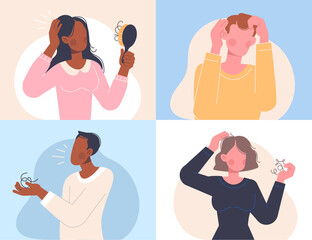
Common clues include finding much more hair on your brush or pillow, increased shedding in the shower, a widening part, a thinner ponytail or more visible scalp.
The good news is that some causes of sudden hair shedding are temporary and may improve once the underlying trigger is addressed. However, persistent, severe or unexplained hair loss deserves medical evaluation.
Common Signs of Hair Thinning
- Increased shedding
- More hair in the shower
- Hair on pillows or brushes
- Widening hair part
- Reduced hair volume
- Thinner ponytail
- Visible scalp
| Possible cause | Typical clue | What may happen |
|---|---|---|
| Stress or illness | Increased shedding appears weeks/months after the event | Often diffuse shedding |
| Low iron/ferritin | More common concern in some women | Diffuse thinning/shedding |
| Hormonal changes | Menopause, postpartum period or hormonal disorders | Changes in density or shedding |
| Thyroid disorders | Hair changes plus other symptoms | Diffuse thinning |
| Low protein intake | Restrictive diet or inadequate intake | Reduced hair growth/shedding |
| Zinc deficiency | May occur with inadequate intake or other factors | Hair shedding/thinning |
| Genetic hair loss | Gradual progression rather than sudden shedding | Patterned thinning |
| Hair damage | Breakage rather than shedding from the follicle | Shorter/broken hairs |
These patterns can overlap, and the appearance of hair loss alone cannot establish the cause.
Why Is My Hair Thinning Suddenly?
Low Ferritin and Iron Deficiency
One of the most commonly investigated causes of hair thinning in women.
Low ferritin may be associated with:
- Increased shedding
- Reduced hair density
- Chronic hair loss
This may occur even before anemia develops.
Stress and Sudden Hair Shedding
Physical or emotional stress can trigger increased hair shedding.
Common triggers include:
- Illness
- Surgery
- Significant emotional stress
- Rapid weight loss
- Major dietary changes
- Childbirth
One confusing aspect is that hair loss often begins 2–4 months after the stressful event, making it difficult to identify the cause.
In many cases, stress-related hair shedding improves gradually once the underlying trigger has resolved.
Hormonal Changes
Hormonal fluctuations may contribute to hair thinning during:
- Menopause
- Perimenopause
- Postpartum periods
- Hormonal disorders
Thyroid Disorders
Both underactive and overactive thyroid conditions may contribute to:
- Diffuse hair thinning
- Dry hair
- Fatigue
Inadequate Protein Intake
Hair is primarily composed of protein.
Insufficient protein intake may contribute to:
- Hair thinning
- Reduced hair growth
- Increased shedding
Zinc Deficiency
Zinc plays a role in:
- Hair follicle function
- Protein synthesis
- Tissue repair
Low zinc status may contribute to hair loss.
Vitamin D Deficiency
Research suggests vitamin D may play a role in hair follicle regulation.
Aging and Genetics
Genetic factors remain one of the most common causes of progressive hair thinning.
Nutrients Associated with Healthy Hair Growth
Iron
Supports oxygen delivery to hair follicles.
Zinc
Supports follicle function and tissue repair.
Vitamin D
Supports normal hair follicle cycling.
Should You Take Supplements for Sudden Hair Thinning?
Supplements are not automatically the answer to sudden hair shedding. Their usefulness depends on the underlying cause.
If testing identifies a nutrient deficiency, correcting that deficiency may be appropriate. Taking high-dose supplements without a known deficiency is not necessarily beneficial and can sometimes cause harm.
Nutrients that may be relevant include iron, zinc, vitamin D and protein, depending on the individual’s diet and nutritional status.
For more information about supplements marketed for hair growth, see our Best Supplements for Hair Growth guide.
How Long Does Stress-Related Hair Shedding Last?
When hair shedding is triggered by a temporary event, such as significant illness, stress or rapid weight loss, improvement may take time even after the trigger has resolved. Hair growth occurs in cycles, so recovery is not necessarily immediate.
If shedding continues, becomes severe, or is accompanied by other symptoms, medical evaluation can help determine whether another cause is involved.
Evidence Summary
Hair thinning may result from nutritional deficiencies, stress, hormonal changes, thyroid disorders, genetics, or medical conditions.
Low ferritin remains one of the most commonly investigated nutritional factors in women experiencing hair loss.
When Should You See a Doctor About Sudden Hair Thinning?
Seek medical evaluation if:
- Hair loss is sudden or severe
- You develop patches of missing hair
- Your scalp is painful, inflamed, very itchy or infected-looking
- Hair loss continues for several months
- You have unexplained fatigue or other systemic symptoms
- Hair loss occurs after starting a medication
- You have significant menstrual changes or other hormonal symptoms
- You are losing weight without trying
- You are concerned about a nutritional deficiency
Sudden patchy hair loss or rapidly worsening hair loss should not automatically be attributed to stress or nutritional deficiency.
Can stress cause sudden hair loss?
Yes. Significant physical or emotional stress may trigger increased hair shedding.
Can low ferritin cause hair loss?
Yes. Low ferritin is frequently evaluated in women with increased hair shedding.
Can menopause cause hair thinning?
Yes. Hormonal changes may contribute to reduced hair density.
Which deficiencies are linked to hair loss?
Iron, zinc, vitamin D, protein deficiency, and certain other nutrient deficiencies may contribute.
What supplements are commonly used for hair growth?
Iron, zinc, biotin-containing formulas, collagen products, and protein supplements are commonly used depending on the underlying cause.
Why am I suddenly losing more hair than usual?
Sudden increased shedding can occur after significant stress, illness, surgery, childbirth, rapid weight loss, nutritional problems, hormonal changes or other triggers. The timing of the shedding can sometimes provide an important clue.
Can hair grow back after sudden thinning?
Some causes of increased shedding are temporary and hair may gradually recover once the underlying trigger is addressed. However, recovery depends on the cause, so persistent or unexplained hair loss should be evaluated.
Clinical Considerations
Hair thinning may have nutritional, hormonal, genetic, or medical causes.
Persistent or significant hair loss should be medically evaluated to identify underlying factors.
Related Guides
- Can Low Ferritin Cause Fatigue Even Without Anemia?
- Best Supplements for Hair Growth
- Cortisol-Related Metabolic Effects: How Stress Hormones Affect Weight, Blood Sugar, and Energy
- Zinc and Hair Loss
- Iron Deficiency and Hair Loss
- 😴 Sleep, Stress & Brain Health
- 🧴 Skin Health
References
- NIH – Iron Fact Sheet
- NIH – Zinc Fact Sheet
- PubMed – Ferritin and Hair Loss
- PubMed – Telogen Effluvium Review
- American Academy of Dermatology – Hair Loss Overview
- Cleveland Clinic – Causes of Hair Thinning
- Mayo Clinic – Hair Loss