Why Do I Keep Getting Heartburn? GERD (Acid Reflux): Symptoms, Causes & Treatment
Occasional heartburn after a large or spicy meal is common. However, if you experience heartburn, acid reflux, or a sour taste in your mouth several times a week, you may have gastroesophageal reflux disease (GERD). Left untreated, GERD can affect your quality of life and may lead to complications such as inflammation of the esophagus.
This evidence-based guide explains the symptoms, causes, diagnosis, treatment options, and practical lifestyle changes that can help manage GERD and improve digestive health.
What Is GERD?
Gastroesophageal reflux disease (GERD) is a chronic condition in which stomach acid or stomach contents repeatedly flow back into the esophagus (food pipe). This occurs when the lower esophageal sphincter (LES)—the muscular valve between the esophagus and stomach—does not close properly or relaxes too often.
Occasional acid reflux is common and usually harmless. GERD is diagnosed when reflux occurs frequently, causes troublesome symptoms, or leads to inflammation or damage to the lining of the esophagus.
GERD vs Occasional Heartburn
Many people use the terms heartburn, acid reflux, and GERD interchangeably, but they are not the same.
| Occasional Heartburn | GERD |
|---|---|
| Happens occasionally | Symptoms occur regularly (often two or more times per week) |
| Usually triggered by certain foods or overeating | Persistent condition requiring long-term management |
| Improves quickly | May require lifestyle changes and medication |
| Rarely causes complications | Can damage the esophagus if untreated |
Symptoms of GERD
The most common symptoms include:
- Burning sensation behind the breastbone (heartburn)
- Acid or sour taste in the mouth
- Regurgitation of food or stomach acid
- Difficulty swallowing (dysphagia)
- Feeling of food sticking in the chest
- Chest discomfort after meals
- Symptoms that worsen when lying down or bending over
Some people experience silent reflux (laryngopharyngeal reflux), which may cause:
- Chronic cough
- Hoarseness or voice changes
- Frequent throat clearing
- Sore throat
- Sensation of a lump in the throat
- Bad breath
What Causes GERD?
GERD develops when stomach contents repeatedly move back into the esophagus. Several factors may contribute.
Weak Lower Esophageal Sphincter (LES)
The most common cause is a weakened or overly relaxed lower esophageal sphincter, allowing stomach acid to escape into the esophagus.
Hiatal Hernia
A hiatal hernia occurs when part of the stomach moves through the diaphragm into the chest. This can reduce the effectiveness of the lower esophageal sphincter and increase reflux.
Delayed Stomach Emptying
If food remains in the stomach longer than normal, pressure builds up and reflux becomes more likely.
Risk Factors
Several factors increase the likelihood of developing GERD.
Lifestyle Factors
- Overweight or obesity
- Smoking
- Excess alcohol intake
- Large evening meals
- Lying down soon after eating
- Tight clothing around the waist
Foods That Commonly Trigger Symptoms
Triggers vary from person to person but commonly include:
- High-fat meals
- Fried foods
- Chocolate
- Peppermint
- Coffee
- Caffeinated drinks
- Carbonated beverages
- Tomatoes and tomato products
- Citrus fruits
- Spicy foods
- Onions
- Garlic (in some individuals)
Rather than eliminating all of these foods, keeping a food and symptom diary can help identify your personal triggers.
Can Stress Cause GERD?
Stress does not directly cause GERD, but it can worsen symptoms.
Stress may:
- Increase sensitivity to stomach acid
- Lead to overeating
- Increase consumption of caffeine or alcohol
- Reduce sleep quality
- Delay stomach emptying in some people
Managing stress through regular exercise, relaxation techniques, and adequate sleep may help reduce symptom severity.
How Is GERD Diagnosed?
Many people with typical symptoms can be diagnosed based on their medical history and response to treatment.
Further tests may be recommended if symptoms are severe, persistent, or associated with warning signs.
These may include:
- Upper endoscopy (gastroscopy)
- Esophageal pH monitoring
- Esophageal manometry
- Barium swallow (in selected cases)
When Should You See a Doctor?
Seek medical advice if:
- Heartburn occurs more than twice a week.
- Symptoms persist despite over-the-counter treatment.
- Swallowing becomes difficult or painful.
- You experience persistent nausea or vomiting.
- Symptoms disturb your sleep regularly.
Seek urgent medical attention if you experience:
- Chest pain that may suggest a heart attack
- Vomiting blood
- Black, tarry stools
- Unexplained weight loss
- Persistent vomiting
- Difficulty swallowing that progressively worsens
Treatment of GERD
The goals of GERD treatment are to relieve symptoms, heal inflammation of the esophagus, prevent complications, and reduce the frequency of acid reflux. Most people achieve good symptom control through a combination of lifestyle changes, dietary modifications, and medications when needed.
Lifestyle Changes
Lifestyle measures are often the first step in managing GERD and may significantly reduce symptoms, particularly in mild cases.
Maintain a Healthy Weight
Excess body weight increases pressure inside the abdomen, making it easier for stomach contents to reflux into the esophagus. Even modest weight loss may improve symptoms in overweight individuals.
Avoid Large Meals
Large meals increase stomach pressure and can worsen reflux. Eating smaller, more frequent meals is often better tolerated.
Don’t Lie Down After Eating
Remain upright for at least 2–3 hours after meals.
Avoid eating immediately before bedtime.
Elevate the Head of Your Bed
For people with nighttime reflux, raising the head of the bed by 15–20 cm (6–8 inches) can reduce symptoms.
Using extra pillows alone is generally less effective because it bends the body rather than elevating the upper torso.
Stop Smoking
Smoking weakens the lower esophageal sphincter and increases acid reflux.
Limit Alcohol
Alcohol may relax the lower esophageal sphincter and aggravate symptoms in some individuals.
GERD Diet
There is no single GERD diet that works for everyone.
Instead of avoiding long lists of foods unnecessarily, identify your own triggers using a food diary.
Foods that commonly worsen reflux include:
- Fried foods
- High-fat meals
- Chocolate
- Peppermint
- Coffee
- Energy drinks
- Carbonated beverages
- Tomatoes
- Citrus fruits
- Spicy foods
- Onions
- Garlic (in some people)
Eating slowly, chewing thoroughly, and avoiding overeating may also help reduce symptoms.
Medications for GERD
Several types of medications are available.
Antacids
Examples include calcium carbonate and magnesium hydroxide.
They:
- Neutralize stomach acid.
- Provide rapid relief.
- Work within minutes.
- Are best for occasional heartburn.
They do not heal inflammation of the esophagus.
Alginates
Alginates are one of the first-line treatments for occasional heartburn and acid reflux. Unlike antacids, which work by neutralizing stomach acid, alginates work mechanically by forming a protective gel-like “raft” that floats on top of the stomach contents. This barrier helps prevent stomach acid and food from flowing back into the esophagus, reducing reflux episodes and relieving symptoms.
Alginates are particularly effective when taken after meals and before bedtime, when reflux is more likely to occur. They can provide rapid symptom relief and are especially helpful for people whose symptoms occur after eating or when lying down.
Alginate products are generally well tolerated and may be suitable for occasional use during pregnancy, although pregnant women should always consult their healthcare professional before taking any medication. As with antacids, alginates may reduce the absorption of certain medications, such as levothyroxine, iron supplements, tetracycline and fluoroquinolone antibiotics, and some osteoporosis medications. To help avoid interactions, it is generally recommended to separate alginates from other oral medications by at least two hours, unless your healthcare professional advises otherwise.
Although alginates effectively relieve symptoms, they do not treat the underlying cause of GERD or heal inflammation of the esophagus. People with persistent or frequent reflux may require further evaluation and additional treatment, such as proton pump inhibitors (PPIs), under medical supervision.
💡 Pharmacist’s Tip
Many people think alginates and antacids are the same, but they work differently. Antacids neutralize stomach acid, whereas alginates create a protective barrier that helps stop acid from reaching the esophagus. For reflux that occurs after meals or at night, an alginate is often a better choice than an antacid alone. Some products combine an alginate with an antacid, providing both rapid acid neutralization and a protective barrier against reflux. These combination products can be particularly useful for occasional heartburn after meals.ates
H2-Receptor Blockers
Examples include famotidine.
They reduce acid production and may help with mild to moderate GERD.
Proton Pump Inhibitors (PPIs)
Examples include:
- Omeprazole
- Pantoprazole
- Esomeprazole
- Lansoprazole
PPIs are the most effective medications for frequent GERD and erosive esophagitis.
For best results, they should usually be taken 30–60 minutes before breakfast, unless your healthcare professional advises otherwise.
Long-Term Use of Proton Pump Inhibitors
PPIs are highly effective medications, but they should be used at the lowest effective dose for the shortest appropriate duration.
For uncomplicated GERD, treatment is commonly prescribed for 4–8 weeks, after which your doctor may recommend reducing the dose, using the medication only when needed, or stopping it if symptoms have resolved.
Some people require longer-term treatment, but this should be reviewed periodically by a healthcare professional.
Long-term PPI use has been associated with an increased risk of:
- Vitamin B12 deficiency
- Low magnesium levels (hypomagnesemia)
- Reduced calcium absorption and a higher risk of fractures in susceptible individuals
- Certain intestinal infections, including Clostridioides difficile
- Reduced absorption of some medications
For people who require long-term therapy, doctors may periodically review the ongoing need for treatment and monitor for potential nutrient deficiencies when clinically appropriate.
Long-term use should be reviewed periodically, as PPIs should be used at the lowest effective dose for the appropriate duration. In some people, prolonged use may increase the risk of vitamin B12 deficiency, low magnesium levels, certain intestinal infections, or bone fractures, although the overall benefits generally outweigh the risks when PPIs are prescribed for appropriate indications.
💊 Pharmacist’s Practical Tip
If you take multiple medications, ask your pharmacist whether any should be separated from antacids, alginates, iron supplements, calcium supplements, or other medicines. A simple adjustment to the timing of your doses can sometimes improve treatment effectiveness and reduce interactions.
Medication Timing
Some GERD medications can affect the absorption of other medicines.
- Antacids and alginates may reduce the absorption of certain medications, including some antibiotics, iron supplements, and levothyroxine. They should generally be taken at least 2 hours before or after these medicines unless your healthcare professional advises otherwise.
- Proton pump inhibitors (PPIs) can alter stomach acidity, which may affect the absorption of certain medications and nutrients. Always follow the dosing instructions provided by your doctor or pharmacist and discuss potential interactions if you take multiple medications.
Can Supplements Help GERD?
Some supplements have been studied for digestive health, but evidence is generally limited compared with standard GERD treatments.
Probiotics
Some studies suggest probiotics may improve digestive symptoms such as bloating or indigestion in certain people, but they are not established treatments for GERD itself.
Deglycyrrhizinated Licorice (DGL)
DGL has been studied for upper digestive symptoms, but current evidence is insufficient to recommend it as a standard treatment for GERD.
Melatonin
Some small studies have investigated melatonin in GERD, but larger, high-quality studies are needed before it can be routinely recommended.
Supplements That May Worsen Heartburn
Some supplements may trigger or aggravate reflux in susceptible individuals, including:
- Peppermint oil
- High-dose vitamin C (especially on an empty stomach)
- Iron supplements
- Potassium supplements
Taking supplements with food (when appropriate) and following dosing instructions may help reduce irritation.
Mastic Gum
Mastic gum, a natural resin obtained from the Pistacia lentiscus tree, has traditionally been used to support digestive health. Some small clinical studies suggest it may help relieve upper digestive symptoms such as indigestion and stomach discomfort, and laboratory studies indicate it may have anti-inflammatory and antibacterial properties.
However, there is currently insufficient high-quality evidence to recommend mastic gum as a standard treatment for GERD. It should not replace lifestyle modifications or medications prescribed by your healthcare professional.
Mastic gum is generally well tolerated, but people with allergies to pistachios or other members of the
Can Digestive Enzymes Help GERD?
Digestive enzyme supplements are often marketed for acid reflux and heartburn, but they are not a standard treatment for GERD.
However, some people with indigestion, bloating, delayed digestion, or pancreatic enzyme insufficiency may notice an improvement in digestive comfort when digestive enzymes are used appropriately.
Digestive enzymes may be helpful if reflux symptoms are accompanied by:
- Feeling unusually full after small meals
- Bloating after eating
- Excess gas
- Heavy meals that are difficult to digest
- Known pancreatic enzyme deficiency (under medical supervision)
For most people with uncomplicated GERD, there is insufficient evidence that digestive enzymes reduce acid reflux itself.
Which Digestive Enzymes Are Available?
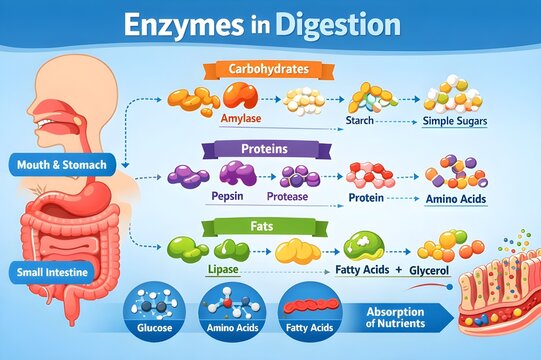
Digestive enzyme supplements may contain one or more enzymes, including:
- Amylase – helps digest carbohydrates.
- Protease – helps digest proteins.
- Lipase – helps digest fats.
- Lactase – helps digest lactose in dairy products.
- Alpha-galactosidase – may reduce gas caused by beans and certain vegetables.
Some products combine several digestive enzymes into one supplement.
Who May Benefit?
Digestive enzymes may be appropriate for people with:
- Pancreatic insufficiency
- Lactose intolerance (lactase)
- Certain digestive disorders diagnosed by a healthcare professional
For people with GERD alone, digestive enzymes should not replace established treatments, such as lifestyle modifications or acid-suppressing medications when indicated.
💡 Pharmacist’s Tip
Many people confuse heartburn with indigestion.
If your main symptoms are acid reflux, burning behind the breastbone, and sour-tasting regurgitation, digestive enzymes are unlikely to solve the problem.
If your symptoms are bloating, heaviness after meals, excessive gas, or difficulty digesting fatty foods, digestive enzymes may be worth discussing with your pharmacist or doctor, particularly if an underlying digestive disorder is suspected.
Supplements That May Help GERD: What Does the Evidence Say?
| Supplement | Evidence | My Recommendation |
|---|---|---|
| Alginates | ⭐⭐⭐⭐⭐ | Strong evidence for symptom relief after meals. |
| Probiotics | ⭐⭐⭐ | May help some people with associated digestive symptoms; evidence for GERD itself is limited. |
| Mastic Gum | ⭐⭐ | Limited evidence; may help some upper digestive symptoms but is not a standard GERD treatment. |
| Digestive Enzymes | ⭐⭐ | May help if reflux coexists with indigestion or enzyme deficiency; not a routine GERD treatment. |
| DGL (Deglycyrrhizinated Licorice) | ⭐⭐ | Limited evidence; may soothe symptoms in some people. |
| Melatonin | ⭐⭐ | Early research is promising, but larger studies are needed before routine use can be recommended. |
GERD in Children
Gastroesophageal reflux is common in infants, especially during the first few months of life, because the muscles between the stomach and esophagus are still developing. Many babies spit up after feeding and outgrow this naturally by 12–18 months of age.
Older children and adolescents may develop symptoms more similar to adults, including:
- Heartburn
- Chest discomfort
- Frequent burping
- Nausea
- Chronic cough
- Hoarseness
- Poor appetite
Parents should seek medical advice if a child has:
- Poor weight gain
- Forceful or green vomiting
- Blood in the vomit or stool
- Difficulty swallowing
- Persistent feeding problems
- Severe or worsening symptoms
Treatment depends on the child’s age and symptoms. In many infants, simple feeding adjustments and reassurance are sufficient. Medications should only be used when recommended by a healthcare professional.
Prevention
Although GERD cannot always be prevented, the following measures may reduce the frequency of symptoms:
- Maintain a healthy weight.
- Avoid overeating.
- Eat smaller meals.
- Avoid lying down after eating.
- Identify personal trigger foods.
- Stop smoking.
- Limit alcohol.
- Elevate the head of the bed if symptoms occur at night.
- Follow prescribed medications as directed.
💡 Pharmacist’s Tip
Occasional heartburn is common, but frequent heartburn is not something you should simply live with. If you need antacids several times a week or your symptoms persist despite treatment, speak with your doctor or pharmacist. Ongoing reflux may require further evaluation and a different treatment approach.
Clinical Disclaimer
This article is intended for educational purposes only and should not replace professional medical advice. Always consult your doctor or pharmacist if you experience persistent heartburn, difficulty swallowing, unexplained weight loss, vomiting blood, black stools, or chest pain. Seek emergency medical attention if you develop severe chest pain, especially if it is associated with shortness of breath, sweating, or pain radiating to the arm or jaw.
Related Articles
- Why Am I Always Bloated Even When Eating Healthy? Causes, Digestion and Gut Health Explained
- Best Probiotics: Benefits, Strains & How to Choose
- Probiotics for Bloating: Best Strains and How to Choose
- Electrolytes: Benefits, Sources & When You Need Them
- Why Am I Always Tired?
- Why You Feel Tired After Eating (Blood Sugar Explained)
- Supplements and Medications Interactions: What You Need to Know for Safe Use
Can GERD go away on its own?
Occasional acid reflux may resolve without treatment, but GERD is a chronic condition that often requires lifestyle changes and, in some cases, medication.
What foods should I avoid if I have GERD?
Common triggers include fatty foods, chocolate, coffee, spicy foods, carbonated drinks, tomatoes, citrus fruits, and alcohol. Triggers vary between individuals.
Is GERD dangerous?
Untreated GERD may lead to complications such as esophagitis, ulcers, narrowing of the esophagus, or Barrett’s esophagus, which can increase the risk of esophageal cancer.
Can stress make GERD worse?
Yes. Although stress does not directly cause GERD, it may worsen symptoms and contribute to behaviors that increase reflux.
Is milk good for acid reflux?
Milk may temporarily relieve symptoms in some people, but full-fat dairy products can worsen reflux in others.
Can children develop GERD?
Yes. While reflux is common in infants and often resolves naturally, persistent symptoms in older children should be assessed by a healthcare professional.
What is the best medicine for GERD?
The most appropriate treatment depends on symptom severity and individual circumstances. Proton pump inhibitors are generally the most effective medications for frequent GERD, but they should be used under medical guidance.
References
- American College of Gastroenterology. Clinical Guideline: Diagnosis and Management of Gastroesophageal Reflux Disease.
- American Gastroenterological Association. GERD Clinical Practice Updates.
- NICE Guideline. Gastro-oesophageal Reflux Disease in Adults and Children.
- NHS. Heartburn and Acid Reflux.
- Mayo Clinic. GERD Symptoms and Causes.
- MSD Manual Professional Edition. Gastroesophageal Reflux Disease.
- World Gastroenterology Organisation. Global Guidelines for GERD.