What Should I Do If I Injure My Eye?
Eye Injuries, First Aid & Treatment
Eye injuries are common and can happen at home, at work, during sports, while gardening, or when using chemicals or power tools. Although many minor eye injuries improve without permanent damage, some require immediate medical attention to prevent vision loss.
Common eye injuries include foreign bodies, scratched eyes (corneal abrasions), chemical burns, blunt trauma, black eyes, ultraviolet (UV) burns, and penetrating injuries.
Knowing what to do immediately after an eye injury can make a significant difference in protecting your eyesight.
Emergency Action Box
- 🚨 Go to the emergency department immediately if you have:
- Sudden vision loss
- A chemical splash in the eye
- An object stuck in the eye
- Severe eye pain
- Blood inside the eye
- An injury from hammering, grinding, or drilling metal
- A penetrating injury
- A curtain-like loss of vision after trauma
What Are the Most Common Eye Injuries?
Eye injuries range from minor irritation to serious trauma.
The most common types include:
- Something stuck in the eye (foreign body)
- Scratched eye (corneal abrasion)
- Chemical burns
- Black eye (periorbital bruise)
- Blunt trauma from sports or accidents
- Metal or wood particles
- Contact lens-related injuries
- UV eye burns (snow blindness or welding flash)
- Penetrating eye injuries
Some injuries affect only the surface of the eye, while others damage deeper structures and require emergency treatment.
Something Is Stuck in My Eye
Dust, sand, eyelashes, makeup, wood splinters, and metal particles are among the most common foreign bodies affecting the eye.
Symptoms
- Feeling that something is in the eye
- Pain or discomfort
- Excessive tearing
- Redness
- Frequent blinking
- Light sensitivity
- Difficulty keeping the eye open
First Aid
If you think something is in your eye:
- Wash your hands before touching your eye.
- Blink several times to encourage tears to remove the particle.
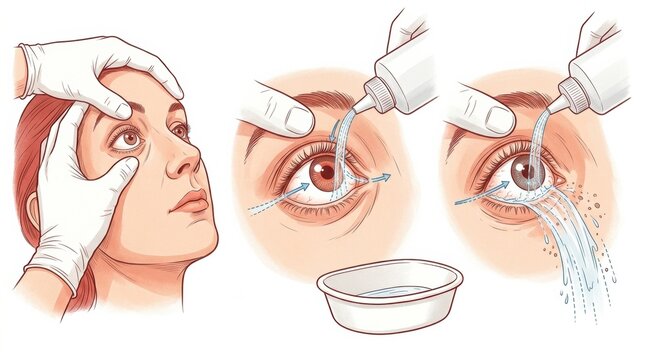
- Rinse the eye gently with clean water or sterile saline.
- Pull the upper eyelid over the lower eyelid to help remove small particles.
- Remove contact lenses if possible.
Do NOT:
- Rub your eye.
- Use tweezers or cotton buds to remove objects.
- Attempt to remove metal or deeply embedded objects.
Seek medical attention if the object cannot be removed, if pain continues, or if vision is affected.
Scratched Eye (Corneal Abrasion)
A corneal abrasion is a scratch on the clear front surface of the eye (cornea). It may occur after contact with fingernails, tree branches, paper, contact lenses, or foreign bodies.
Symptoms
- Severe eye pain
- Feeling of grit in the eye
- Excessive tearing
- Red eye
- Sensitivity to light
- Blurred vision
- Difficulty opening the eye
Treatment
Treatment may include:
- Lubricating eye drops
- Antibiotic eye drops or ointment if recommended
- Pain relief
- Avoiding contact lenses until healing is complete
Most small corneal abrasions heal within 24 to 72 hours, but larger injuries may take longer.
Chemical Burns
Chemical injuries are among the most serious eye emergencies.
Common causes include:
- Bleach
- Household cleaners
- Oven cleaners
- Drain cleaners
- Cement
- Pool chemicals
- Car battery acid
- Fertilizers
Immediate First Aid
Immediately rinse the eye with clean running water or sterile saline for at least 15 to 20 minutes.
Do not wait to identify the chemical before flushing the eye.
If wearing contact lenses, remove them if they come out easily while rinsing.
Seek emergency medical attention immediately, even if symptoms improve after washing.
Blunt Eye Injury (Black Eye)
A black eye usually develops after being struck by a ball, elbow, fist, or another object.
Symptoms
- Bruising around the eye
- Swelling
- Pain
- Difficulty opening the eyelid
- Mild blurred vision
Treatment
Minor injuries may improve with:
- Cold compresses for 15–20 minutes several times daily during the first 24–48 hours.
- Keeping the head elevated.
- Simple pain relief if appropriate.
Avoid placing ice directly on the skin.
If you develop double vision, severe pain, or reduced vision, seek urgent medical care.
UV Eye Burns (Snow Blindness or Welding Flash)
Looking directly at ultraviolet (UV) light can damage the surface of the eye.
Common causes include:
- Welding without eye protection
- Reflection from snow
- High-altitude sunlight
- UV tanning lamps
Symptoms
Symptoms often begin several hours after exposure.
They include:
- Severe pain
- Gritty sensation
- Red eyes
- Watery eyes
- Light sensitivity
- Blurred vision
Most mild cases improve within 24 to 48 hours, but medical assessment is recommended.
Contact Lens Injuries
Sleeping in contact lenses, wearing damaged lenses, or poor lens hygiene can increase the risk of eye infections and corneal injury.
Symptoms include:
- Pain
- Redness
- Blurred vision
- Light sensitivity
- Excessive tearing
Remove contact lenses immediately and seek medical advice if symptoms persist.
Penetrating Eye Injuries
Penetrating injuries occur when a sharp object enters the eye.
These injuries are medical emergencies.
Do NOT:
- Remove the object.
- Apply pressure.
- Rub the eye.
Instead:
- Cover the eye loosely with a protective shield (without pressing on the eye).
- Seek emergency medical care immediately.
When Should You Go to the Emergency Department?
Seek immediate medical attention if you experience:
- Sudden vision loss
- Severe eye pain
- Chemical burns
- Penetrating injuries
- Persistent blurred vision
- Double vision
- Large cuts around the eye
- Blood inside the eye
- Severe swelling
- A foreign body that cannot be removed
- Eye injury from high-speed metal or machinery
- Eye injury after hammering, grinding, or drilling metal
Diagnosis
Most eye injuries can be diagnosed after discussing your symptoms and performing a careful eye examination.
Depending on the type of injury, your healthcare professional may perform:
- A visual acuity test to assess your vision.
- Examination with a slit lamp microscope.
- Fluorescein dye staining to identify corneal scratches or ulcers.
- Eyelid examination to look for hidden foreign bodies.
- Measurement of eye pressure (when appropriate).
- Dilated retinal examination if internal eye injury is suspected.
- CT scan or other imaging if an eye fracture or deep injury is suspected.
Never attempt to remove a deeply embedded object yourself, as this may worsen the injury.
Treatment
Treatment depends on the type and severity of the injury.
Foreign Bodies
Small particles on the surface of the eye can often be safely removed by an eye care professional.
After removal, lubricating eye drops or antibiotic eye drops may be recommended to reduce irritation and help prevent infection.
Corneal Abrasions
Most minor scratches heal within a few days.
Treatment may include:
- Lubricating eye drops or gels
- Antibiotic eye drops or ointment when appropriate
- Pain relief
- Avoiding contact lenses until healing is complete
Eye patches are not routinely recommended for most simple corneal abrasions because they generally do not speed healing and may increase the risk of infection.
Chemical Burns
Chemical injuries always require urgent assessment.
Treatment may include:
- Continued irrigation
- Measurement of the eye’s pH
- Antibiotic eye drops
- Lubricating eye drops
- Pain relief
- Specialist ophthalmology care
Alkali burns (for example from cement, ammonia, or oven cleaners) often cause more severe damage than acidic chemicals.
Black Eye
Most uncomplicated black eyes improve within one to two weeks.
Treatment includes:
- Cold compresses during the first 24 to 48 hours
- Gentle pain relief if needed
- Rest
- Avoiding further injury
If an eye fracture, double vision, or reduced vision is suspected, urgent medical assessment is required.
Penetrating Eye Injuries
These injuries require emergency surgery in many cases.
Do not eat or drink while waiting for medical care, as surgery may be needed.
Tetanus Protection
Some eye injuries, particularly those involving soil, metal, wood, or dirty objects, may increase the risk of tetanus.
Your healthcare provider may recommend a tetanus booster vaccination if your immunization is not up to date.
Prevention
Many eye injuries can be prevented with simple precautions.
Protect your eyes by:
- Wearing safety glasses when using power tools.
- Using protective goggles when working with chemicals.
- Wearing sports eye protection during high-risk activities.
- Using sunglasses that block 100% of UVA and UVB rays outdoors.
- Following contact lens hygiene instructions carefully.
- Never sleeping in contact lenses unless specifically approved.
- Keeping chemicals out of children’s reach.
- Reading safety instructions before using cleaning products.
- Supervising children during activities involving sharp objects.
- Wearing helmets with face protection for appropriate sports.
Most serious eye injuries are preventable.
Eye Injuries in Children
Eye injuries are one of the leading causes of emergency eye visits in children. Most injuries occur during play, sports, school activities, or at home.
Young children are naturally curious and may accidentally injure their eyes with toys, sticks, pencils, household chemicals, or small objects.
Common Eye Injuries in Children
Children commonly experience:
- Dust or sand in the eye
- Eyelash or small foreign body
- Corneal scratches
- Toy-related injuries
- Sports injuries
- Finger or fingernail scratches
- Chemical splashes from cleaning products
- Contact lens problems in older children
Fortunately, most minor injuries heal completely with prompt treatment.
Symptoms
Parents should look for:
- Excessive tearing
- Red eye
- Frequent blinking
- Difficulty opening the eye
- Complaints that something is in the eye
- Eye rubbing
- Light sensitivity
- Swollen eyelids
- Blurred vision
- Crying due to eye pain
Young children may simply keep one eye closed or refuse to open it.
First Aid for Parents
If your child gets something in their eye:
- Stay calm and reassure your child.
- Encourage blinking.
- Rinse the eye gently with clean running water or sterile saline.
- Do not rub the eye.
- Do not try to remove embedded objects.
If chemicals enter the eye:
- Begin flushing immediately with running water.
- Continue rinsing for at least 15 to 20 minutes.
- Seek emergency medical care immediately.
When Should Parents Seek Emergency Care?
Go to the emergency department immediately if your child:
- Has severe eye pain.
- Has sudden loss of vision.
- Has a penetrating eye injury.
- Has a chemical burn.
- Has blood inside the eye.
- Cannot open the eye because of pain.
- Has persistent blurred vision.
- Was injured by metal while hammering or grinding.
- Has an object stuck in the eye.
Prompt treatment greatly improves the chance of preserving vision.
💡 Pharmacist’s Tip
One of the biggest mistakes people make after an eye injury is rubbing the eye. Rubbing can turn a small scratch into a larger corneal abrasion or push a foreign body deeper into the eye. If something gets into your eye, rinse it gently with clean water or sterile saline and avoid touching the eye unnecessarily. If you wear contact lenses, remove them immediately and do not wear them again until your eye has completely healed and a healthcare professional advises it is safe. Never attempt to remove embedded metal, glass, or other sharp objects yourself.
What should I do if something gets in my eye?
Blink several times and rinse your eye with clean water or sterile saline. Do not rub your eye. Seek medical attention if the object cannot be removed or if pain or blurred vision continues.
How do I know if I scratched my eye?
A scratched eye usually causes severe pain, excessive tearing, redness, light sensitivity, and the feeling that something is still in the eye.
How long does a scratched eye take to heal?
Most small corneal abrasions heal within 24 to 72 hours, although larger scratches may take longer.
Should I wear an eye patch for a scratched eye?
Not usually. Eye patches are generally not recommended for simple corneal abrasions because they do not improve healing and may increase the risk of infection.
What should I do if I get bleach or another chemical in my eye?
Immediately rinse your eye with clean running water or sterile saline for at least 15 to 20 minutes, then seek emergency medical attention without delay.
Can I wear contact lenses after an eye injury?
No. Remove your contact lenses immediately and wait until your eye has healed completely and a healthcare professional advises it is safe to wear them again.
When should I go to the emergency department after an eye injury?
Seek emergency care if you have severe pain, sudden vision loss, a penetrating injury, chemical exposure, blood inside the eye, persistent blurred vision, or an object embedded in the eye.
Can children recover fully from eye injuries?
Yes. Most minor eye injuries heal completely when treated promptly. However, serious injuries require immediate medical attention to reduce the risk of permanent vision loss.
Can a black eye damage my eyesight?
Most black eyes involve bruising around the eye and do not affect vision. However, if you develop blurred vision, double vision, severe pain, or difficulty moving the eye, seek urgent medical assessment.
Can eye injuries be prevented?
Many eye injuries can be prevented by wearing protective eyewear during sports, home improvement projects, gardening, or when handling chemicals.
Clinical Disclaimer
This article is intended for educational purposes only and should not replace professional medical advice, diagnosis, or treatment. Some eye injuries are medical emergencies that require immediate specialist care. Seek emergency medical attention if you experience sudden vision loss, severe eye pain, a penetrating eye injury, chemical exposure, blood inside the eye, persistent blurred vision, or an object embedded in the eye. Never attempt to remove deeply embedded foreign bodies yourself. Always consult a qualified healthcare professional after any significant eye injury.
Related Articles
- Why Is My Vision Blurry? Common Eye Disorders Explained
- Why Are My Eyes Dry, Itchy and Watery? Dry Eyes vs Eye Allergies
- Why Are My Eyes Red? Pink Eye (Conjunctivitis): Symptoms, Causes & Treatment
- Why Does My Eyelid Keep Twitching? Causes, Treatments and Science-Backed Solutions
- How to Use Eye Drops Correctly
- Why Have I Lost My Sense of Smell? Causes, Medications, Vitamin Deficiencies and Treatments
References
- American Academy of Ophthalmology (AAO). Eye Injuries: Prevention and First Aid.
- National Eye Institute (NEI). Eye Injuries.
- American Association for Pediatric Ophthalmology and Strabismus (AAPOS). Eye Injuries in Children.
- American Academy of Pediatrics (AAP). Prevention of Eye Injuries in Children.
- Mayo Clinic. Eye Injuries: First Aid.
- MSD Manual Professional Edition. Eye Trauma.
- Merck Manual Consumer Version. Eye Injuries.
- American College of Emergency Physicians (ACEP). Eye Emergencies.