
Why Am I Constipated?
Constipation is one of the most common digestive problems, affecting people of all ages. Although occasional constipation is usually harmless, persistent constipation can cause discomfort, bloating, abdominal pain, and significantly reduce quality of life.
For some people, constipation develops because of diet or lifestyle habits, while for others it may be related to medications, medical conditions, or changes in bowel function. Fortunately, most cases improve with simple lifestyle changes, adequate fluid intake, and appropriate treatment.
This evidence-based guide explains the symptoms, causes, diagnosis, treatment options, supplements, and practical tips to help relieve constipation safely.
What Is Constipation?
Constipation generally means having bowel movements less than three times per week, passing hard or dry stools, or having difficulty emptying the bowels completely.
However, “normal” bowel habits vary from person to person. Some healthy individuals have bowel movements every day, while others naturally go every two or three days without discomfort.
Constipation becomes a concern when bowel movements are infrequent, difficult, painful, or associated with symptoms such as bloating or straining.
Symptoms of Constipation
Common symptoms include:
- Fewer than three bowel movements per week
- Hard, dry or lumpy stools
- Straining during bowel movements
- Feeling that the bowel has not emptied completely
- Abdominal bloating
- Stomach discomfort or cramps
- Feeling of blockage in the rectum
- Needing to use your fingers or support the pelvic floor to help empty the bowel (in severe cases)
Persistent constipation may also lead to:
- Hemorrhoids (piles)
- Anal fissures (small tears around the anus)
- Rectal bleeding from straining
- Fecal impaction in severe cases
What Causes Constipation?
Constipation often develops when stool moves too slowly through the large intestine, allowing excessive water to be absorbed. This makes the stool hard, dry, and more difficult to pass.
Low Fiber Intake
A diet low in fiber is one of the most common causes of constipation. Fiber adds bulk to the stool and helps it move through the intestines more easily.
Good sources include:
- Fruits
- Vegetables
- Whole grains
- Legumes
- Nuts and seeds
Not Drinking Enough Fluids
Water helps keep stools soft.
People who are dehydrated or drink very little fluid are more likely to develop constipation.
Lack of Physical Activity
Regular movement stimulates normal bowel function.
Prolonged sitting and a sedentary lifestyle may slow intestinal transit.
Ignoring the Urge to Go
Repeatedly delaying bowel movements allows stool to remain in the colon longer, making it harder and more difficult to pass.
Pregnancy
Hormonal changes and pressure from the growing uterus commonly slow bowel movements during pregnancy.
Older Age
Constipation becomes more common with age because of:
- Reduced physical activity
- Lower fluid intake
- Medication use
- Slower intestinal motility
Medications That Can Cause Constipation
Many medicines may contribute to constipation, including:
- Opioid painkillers
- Iron supplements
- Calcium supplements
- Aluminum-containing antacids
- Some antidepressants
- Certain blood pressure medications
- Some anti-Parkinson medications
- Anticholinergic medicines
Never stop prescribed medication without consulting your healthcare professional.
Medical Conditions Associated With Constipation
Constipation may also occur in people with:
- Irritable bowel syndrome (IBS-C)
- Diabetes
- Hypothyroidism
- Parkinson’s disease
- Multiple sclerosis
- Stroke
- Colorectal disorders
- Pelvic floor dysfunction
Comparison: Occasional vs Chronic Constipation
Occasional Constipation
- Travel-related
- Temporary dietary changes
- Mild dehydration
- Short-term stress
Often improves with lifestyle adjustments.
Chronic Constipation
- Symptoms lasting weeks or months
- Frequent straining
- Ongoing discomfort
- Significant impact on quality of life
May require medical evaluation.
When Should You See a Doctor?
Seek medical advice if constipation:
- Lasts longer than three weeks.
- Keeps coming back despite treatment.
- Is accompanied by severe abdominal pain.
- Causes unexplained weight loss.
- Is associated with blood in the stool.
- Alternates with persistent diarrhea.
- Begins suddenly without an obvious cause.
Seek urgent medical attention if constipation is accompanied by severe abdominal swelling, vomiting, inability to pass gas, or intense abdominal pain, as these symptoms may indicate an intestinal obstruction.
Treatment of Constipation
The treatment of constipation depends on its underlying cause, symptom severity, and duration. In most cases, constipation improves with a combination of dietary changes, adequate hydration, regular physical activity, and healthy bowel habits. Medications or supplements may be recommended when lifestyle measures alone are not enough.
Lifestyle Changes
Simple lifestyle modifications are often the most effective long-term solution.
Increase Your Fiber Intake
Dietary fiber absorbs water, increases stool bulk, and helps stools move more easily through the intestines.
Adults should aim for approximately 25–38 grams of fiber per day, depending on age and sex.
Good sources include:
- Fruits (especially pears, apples, berries, kiwi)
- Vegetables
- Whole-grain bread and cereals
- Oats
- Brown rice
- Beans
- Lentils
- Chickpeas
- Flaxseed
- Chia seeds
Increase fiber gradually over several weeks to reduce bloating and gas.
Drink Plenty of Fluids
Fiber works best when combined with adequate fluid intake.
Most healthy adults should aim for approximately 1.5–2.5 liters of fluids daily, depending on age, activity level, climate, and individual health needs.
Water is the best choice.
Exercise Regularly
Physical activity stimulates bowel movements.
Aim for at least 30 minutes of moderate exercise most days, such as:
- Walking
- Cycling
- Swimming
- Yoga
Even a daily walk may improve bowel function.
Develop Healthy Toilet Habits
- Go to the toilet when you first feel the urge.
- Avoid delaying bowel movements.
- Take your time without straining excessively.
- Many people find bowel movements easiest after breakfast because of the body’s natural gastrocolic reflex.
Foods That May Help Relieve Constipation
Certain foods have been shown to support regular bowel movements.
Examples include:
- Prunes
- Kiwi fruit
- Pears
- Apples
- Oats
- Flaxseed
- Chia seeds
- Yogurt with live cultures (for some people)
Prunes contain both fiber and sorbitol, which can naturally soften stools.
Several studies have shown that kiwifruit may improve stool frequency and consistency in some people with chronic constipation.
Medications for Constipation
When lifestyle changes are insufficient, your healthcare professional may recommend a laxative.
Different laxatives work in different ways.
Bulk-Forming Laxatives
Examples:
- Psyllium
- Methylcellulose
These absorb water and increase stool bulk.
They are generally considered the preferred first-line option for long-term constipation but require adequate fluid intake.
Osmotic Laxatives
Examples:
- Polyethylene glycol (PEG)
- Lactulose
- Magnesium hydroxide
These draw water into the bowel, making stools softer and easier to pass.
Stimulant Laxatives
Examples:
- Bisacodyl
- Senna
- Sodium picosulfate
These stimulate bowel contractions.
They are usually recommended for short-term or occasional use, unless advised otherwise by a healthcare professional.
Stool Softeners
Examples:
- Docusate sodium
These may help soften hard stools but are generally less effective than other laxatives for chronic constipation.
Can Supplements Help Constipation?
Some supplements may help improve bowel regularity in certain people.
Psyllium Husk
Psyllium is one of the best-studied fiber supplements for constipation.
It increases stool bulk, improves stool consistency, and may reduce straining.
It should always be taken with plenty of water.
Magnesium
Certain forms of magnesium, particularly magnesium hydroxide and magnesium citrate, have an osmotic effect and may help relieve occasional constipation.
Magnesium supplements should not be used regularly without medical advice, especially in people with kidney disease.
Probiotics
Some probiotic strains, particularly certain Bifidobacterium and Lactobacillus species, have shown modest benefits in improving stool frequency and consistency in some people with constipation. However, results vary depending on the probiotic strain, dose, and individual patient. Probiotics may be considered as part of a long-term approach to supporting gut health, especially when constipation is associated with disturbances of the intestinal microbiota, but they should be combined with adequate fiber, hydration, and lifestyle measures.
Prebiotics
Prebiotics are fibers that feed beneficial gut bacteria.
Foods rich in prebiotics include:
- Onions
- Garlic
- Asparagus
- Bananas
- Chicory root
They may support long-term digestive health.
Herbal Remedies for Constipation
Many herbal products and herbal teas are marketed for constipation. Some can provide effective short-term relief, but not all are suitable for long-term use. Choosing the right product depends on the cause and duration of constipation.
Bulk-Forming Natural Fiber
Natural fiber supplements are generally the safest option for long-term use because they work by increasing stool bulk rather than stimulating the bowel.
Examples include:
- Psyllium husk
- Flaxseed
- Chia seeds
- Wheat dextrin
These products should always be taken with plenty of water.
Stimulant Herbal Laxatives
Some herbal products stimulate bowel contractions and usually work within 6–12 hours.
Common ingredients include:
- Senna
- Cascara sagrada
- Aloe latex (not aloe gel)
- Rhubarb root
- Frangula bark (Buckthorn)
These herbs are commonly found in:
- Herbal constipation teas
- Herbal cubes
- Herbal tablets
- Herbal capsules
Although effective for occasional constipation, they are generally intended for short-term use only. Frequent or prolonged use may lead to diarrhea, dehydration, electrolyte imbalances (especially low potassium), abdominal cramping, and dependence on stimulant laxatives in some individuals.
People with inflammatory bowel disease, intestinal obstruction, unexplained abdominal pain, or during pregnancy should avoid these products unless advised otherwise by a healthcare professional.
Herbal Teas
Many constipation teas contain a combination of herbs.
Some include:
- Senna
- Peppermint
- Fennel
- Licorice
- Anise
While these teas may temporarily relieve constipation, they should not replace a fiber-rich diet, adequate hydration, and healthy bowel habits.
Always read the ingredient list carefully, as some “detox” or “slimming” teas contain stimulant laxatives without clearly emphasizing this on the front of the package.
Herbal Cubes
Herbal laxative cubes are popular in many countries and often contain concentrated stimulant herbs such as senna or cascara.
Although they may provide rapid relief, they should not be used as a daily solution for chronic constipation.
If constipation persists for several weeks, the underlying cause should be evaluated rather than relying on repeated stimulant laxative use.
💊 Pharmacist’s Tip
Many people believe that “natural” means “safe.” However, herbal stimulant laxatives can cause side effects and interact with medications just like conventional medicines. If you need a laxative regularly for more than a few weeks, speak with your doctor or pharmacist to identify the underlying cause and discuss safer long-term treatment options.
Choosing the Right Product
| Type | Best For | Suitable for Long-Term Use? |
|---|---|---|
| Psyllium husk | Chronic constipation | ✅ Yes |
| Flaxseed | Mild constipation | ✅ Yes |
| Prebiotics | Supporting gut microbiota and bowel regularity | ✅ Yes |
| Probiotics | Some people with chronic constipation or IBS | ✅ Yes (strain-dependent) |
| PEG | Chronic constipation | ✅ Yes (under medical guidance) |
| Magnesium hydroxide | Occasional constipation | ⚠️ Usually short-term unless advised otherwise |
| Senna | Occasional constipation | ❌ Not routinely for long-term use |
| Cascara | Occasional constipation | ❌ Not routinely for long-term use |
| Herbal teas with senna | Occasional constipation | ❌ Not routinely for long-term use |
Amazon Products That May Help
⭐ Psyllium Fiber Supplement
May support regular bowel movements by increasing stool bulk.
Ideal for:
✔ Chronic constipation
✔ Low-fiber diets
⭐ Polyethylene Glycol (PEG)
Often recommended for occasional constipation and chronic constipation under medical guidance.
⭐ Magnesium Citrate
May help relieve occasional constipation through its osmotic effect.
Not suitable for everyone, especially people with kidney disease.
⭐ Probiotic Supplement
Choose products containing clinically studied strains of Bifidobacterium and Lactobacillus.
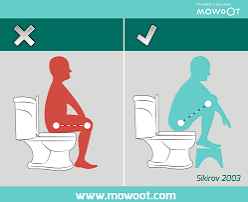
⭐ Foot Stool (Toilet Stool)
Elevating the feet while sitting on the toilet can straighten the anorectal angle, making bowel movements easier and reducing straining.
⭐ Reusable Water Bottle
Adequate hydration is an essential part of constipation prevention.
Constipation in Children
Constipation is very common in infants and children and is often temporary. It may occur during toilet training, after dietary changes, or when children avoid using the toilet because of pain or fear.
Symptoms may include:
- Fewer bowel movements than usual
- Hard, dry stools
- Pain during bowel movements
- Abdominal pain or bloating
- Stool withholding (crossing legs, hiding, or refusing to use the toilet)
- Small amounts of stool leaking into underwear (overflow soiling)
Parents should encourage:
- Plenty of water.
- Fruits and vegetables.
- Whole grains when age-appropriate.
- Regular toilet routines, especially after meals.
- Physical activity.
Parents should seek medical advice if:
- Constipation begins during the first month of life.
- A baby fails to pass meconium within the first 48 hours after birth.
- There is blood in the stool (unless clearly due to a small fissure).
- The child has severe abdominal swelling.
- Vomiting develops.
- Weight gain is poor.
- Symptoms persist despite dietary changes.
Laxatives should only be given to children according to medical advice.
Prevention
Many cases of constipation can be prevented by:
- Eating a fiber-rich diet.
- Drinking enough water.
- Exercising regularly.
- Responding promptly to the urge to have a bowel movement.
- Reviewing medications with your doctor or pharmacist if constipation develops.
- Maintaining regular toilet habits.
💊 Pharmacist’s Tip
Many people rely on stimulant laxatives for long periods, but they are generally intended for short-term relief unless prescribed otherwise. For chronic constipation, identifying the underlying cause and improving daily habits usually provides better long-term results. If constipation persists for several weeks or keeps returning, consult your doctor or pharmacist for further evaluation.
How often should you have a bowel movement?
Normal bowel habits vary. Healthy adults may have anywhere from three bowel movements per day to three per week.
Can dehydration cause constipation?
Yes. Not drinking enough fluids allows the colon to absorb more water from the stool, making it harder and more difficult to pass.
What foods help relieve constipation?
Prunes, kiwi fruit, pears, apples, oats, legumes, whole grains, and other high-fiber foods may improve bowel regularity.
Is coffee good for constipation?
Coffee stimulates bowel movements in some people, but it should not be relied upon as a treatment.
Are probiotics effective?
Some probiotic strains may improve bowel regularity, although benefits vary between individuals.
Is magnesium good for constipation?
Certain forms, such as magnesium citrate and magnesium hydroxide, may help relieve occasional constipation but are not suitable for everyone.
When should I worry about constipation?
Seek medical advice if constipation is persistent, accompanied by blood in the stool, unexplained weight loss, severe abdominal pain, vomiting, or a sudden change in bowel habits.
Can stress cause constipation?
Yes. Stress can affect bowel function in some people and may contribute to constipation by altering gut motility and bowel habits.
Is constipation common during pregnancy?
Yes. Hormonal changes, iron supplements, and pressure from the growing uterus commonly contribute to constipation during pregnancy.
Can children become constipated?
Yes. Constipation is common in childhood and often improves with dietary changes, hydration, and healthy toilet habits. Persistent or severe symptoms should be assessed by a healthcare professional.
Clinical Disclaimer
This article is intended for educational purposes only and should not replace professional medical advice. Consult your doctor or pharmacist if constipation persists, worsens, or is accompanied by severe abdominal pain, persistent vomiting, unexplained weight loss, blood in the stool, fever, or changes in bowel habits. Seek immediate medical attention if you develop severe abdominal swelling, inability to pass stool or gas, or intense abdominal pain, as these may indicate a medical emergency.
Related Articles
- Why Do I Have Diarrhea? Causes, Treatment & When to Worry
- Why Do I Keep Getting Heartburn? GERD (Acid Reflux): Symptoms, Causes & Treatment
- Probiotics: Benefits, Best Strains, Uses, Side Effects and Interactions
- Electrolytes: Benefits, Sources, Dosage, Side Effects & Interactions
- Blood Sugar: Symptoms, Causes & Healthy Levels
References
- American Gastroenterological Association (AGA). Clinical Practice Guidelines on Chronic Constipation.
- American College of Gastroenterology (ACG). Guidelines for Chronic Idiopathic Constipation.
- NICE Guideline: Constipation in Children and Young People.
- National Institute of Diabetes and Digestive and Kidney Diseases (NIDDK). Constipation.
- World Gastroenterology Organisation (WGO). Global Guidelines: Constipation.
- NHS. Constipation in Adults.
- MSD Manual Professional Edition. Constipation.