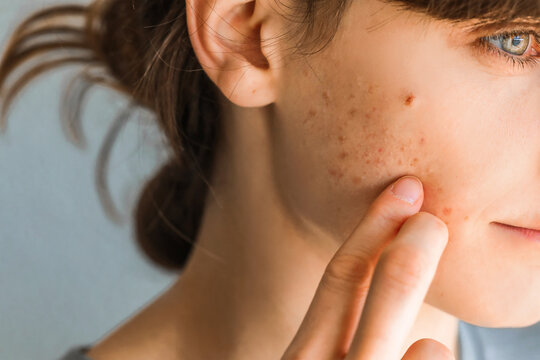
Why Do I Keep Getting Pimples?
Causes, Acne Triggers, Treatment & When to See a Dermatologist
Almost everyone gets an occasional pimple. But when breakouts keep returning, appear suddenly in adulthood, or become painful and persistent, there may be an underlying reason.
Acne vulgaris develops when hair follicles become blocked with oil and dead skin cells. Bacteria and inflammation can then contribute to pimples.
Acne is not caused by dirty skin, and washing your face repeatedly will not necessarily make it disappear.
What Causes Acne?
Four major processes contribute to acne:
- Excess oil (sebum) production
- Blocked hair follicles
- Changes in the skin microbiome, particularly Cutibacterium acnes
- Inflammation
Hormones can strongly influence oil production, which is why acne is particularly common during puberty and can return during adulthood.
Why Does My Acne Keep Coming Back?
1. Hormonal Changes
Hormones can increase oil production and contribute to recurring breakouts.
Common triggers include:
- Puberty
- Menstrual cycles
- Pregnancy
- Perimenopause
- Polycystic ovary syndrome (PCOS)
- Starting or stopping hormonal contraception
Hormonal acne often appears around the:
- Chin
- Jawline
- Lower face
2. Stress
Stress does not cause every case of acne, but it can worsen existing acne in some people.
Stress-related hormonal changes may increase inflammation and oil production.
Poor sleep can also make it harder to maintain a consistent skincare routine.
3. Skincare Products
Some products can clog pores or irritate the skin.
Look for products labeled:
Non-comedogenic
Be cautious with:
- Heavy oils
- Thick creams
- Greasy cosmetics
- Certain hair products
Always remove makeup before going to bed.
4. Touching or Picking Your Face
Repeated touching can transfer oil, dirt and microorganisms to the skin.
Picking pimples can:
- Increase inflammation
- Cause infection
- Increase pigmentation
- Increase the risk of scarring
Don’t squeeze deep or painful pimples.
5. Diet
Diet is not the sole cause of acne, but research suggests that some dietary patterns may influence acne in susceptible people.
A high-glycemic diet may worsen acne in some individuals.
Foods that rapidly increase blood glucose include:
- Sugary drinks
- Sweets
- Refined carbohydrates
- Some highly processed foods
Some studies have also associated higher dairy consumption, particularly certain types of milk, with acne.
However, the evidence is not strong enough to recommend eliminating dairy for everyone with acne.
6. Medications
Some medicines can trigger or worsen acne-like eruptions.
Examples include:
- Corticosteroids
- Testosterone and anabolic steroids
- Lithium
- Some anticonvulsants
- Certain medicines affecting hormones
If acne began soon after starting a medication, don’t stop the medication yourself. Discuss the possibility with your doctor or pharmacist.
7. Sweat, Friction & Occlusion
Heat, sweating and repeated friction can contribute to acne or acne-like eruptions.
This can occur with:
- Tight sports clothing
- Helmets
- Face masks
- Backpacks
- Protective equipment
Shower after heavy sweating and avoid leaving sweaty clothing against the skin for long periods.
Adult Acne
Acne is not only a teenage problem.
Adult acne is particularly common in women and may be associated with:
- Hormonal fluctuations
- Menstrual cycles
- Pregnancy
- Perimenopause
- PCOS
- Stress
- Certain medications
New, persistent acne appearing in adulthood deserves attention, especially when accompanied by irregular periods, increased facial hair or other signs of hormonal imbalance.
Acne in Children
Acne can occur during puberty and is extremely common in teenagers.
However, persistent acne in a very young child should be evaluated by a healthcare professional.
For teenagers:
- Use a gentle cleanser.
- Avoid harsh scrubbing.
- Use non-comedogenic products.
- Avoid picking.
- Start evidence-based treatment early if acne is persistent.
Early treatment can help reduce the risk of permanent scarring.
What Is the Best Treatment for Acne?
Treatment depends on the type and severity of acne.
Mild acne
Common options include:
- Benzoyl peroxide
- Salicylic acid
- Topical retinoids such as adapalene
- Azelaic acid
Moderate acne
A healthcare professional may recommend combinations of:
- Topical retinoids
- Benzoyl peroxide
- Topical antibiotics for selected cases
Severe or scarring acne
A dermatologist may consider:
- Oral antibiotics
- Hormonal treatment
- Isotretinoin
- Other prescription treatments
Topical and oral antibiotics should not generally be used alone for acne because of antibiotic resistance.
Acne vs Other Skin Problems
Not every facial bump is acne.
| Condition | Typical Appearance | Common Clue |
|---|---|---|
| Acne | Blackheads, whiteheads, pimples | Comedones + inflammatory spots |
| Folliculitis | Small similar-looking red bumps/pustules | Often itchy; follows hair follicles |
| Rosacea | Redness, bumps, visible vessels | Usually central face; flushing |
| Perioral dermatitis | Small red bumps | Around mouth/nose; may burn |
| Ingrown hairs | Red bumps | Often after shaving/hair removal |
| Allergic reaction | Red, itchy bumps/rash | Often sudden |
When Should You See a Dermatologist?
Seek professional advice if:
- Pimples are deep or painful.
- You are developing scars.
- Acne suddenly appears in adulthood.
- Over-the-counter treatment has not helped.
- Breakouts are severe.
- Acne is affecting your confidence or quality of life.
- You have irregular periods or excessive facial hair together with acne.
- You suspect medication-related acne.
Don’t wait until severe acne has already caused scarring.
Can Supplements Help Acne?
Some supplements have been studied for acne, including:
However, supplements should not replace established acne treatment.
Zinc may be useful particularly when intake is inadequate, but high doses can cause nausea and copper deficiency.
Vitamin D supplementation is most appropriate when deficiency is present.
More research is needed before probiotics or omega-3 supplements can be routinely recommended specifically for acne.
💊 Pharmacist’s Tip
One of the biggest mistakes is using too many acne products at once.
Combining several strong cleansers, exfoliating acids, scrubs and acne treatments can damage the skin barrier and actually make irritation worse.
Start with a simple, evidence-based routine and give treatment enough time to work. Acne treatments commonly require several weeks before significant improvement becomes apparent.
Why do I keep getting pimples even though I wash my face?
Because acne is not caused simply by dirt. Oil production, blocked follicles, hormones, bacteria and inflammation all contribute.
Does chocolate cause acne?
The evidence is not strong enough to say that chocolate itself causes acne. Diets high in refined carbohydrates and sugar may be more relevant for some people.
Can stress cause pimples?
Stress may worsen existing acne, although it is not the only cause
Why do I get pimples around my period?
Hormonal fluctuations can increase oil production and inflammation, leading to recurring breakouts around menstruation.
Can dairy cause acne?
Some studies have associated higher milk consumption with acne, but the evidence is inconsistent. You do not necessarily need to eliminate dairy.
Should I squeeze pimples?
No. Picking and squeezing can increase inflammation, pigmentation and scarring.
Can adults suddenly develop acne?
Yes. Adult acne is common, particularly in women, and hormonal factors can play an important role.
Can toothpaste get rid of pimples?
No. Toothpaste can irritate the skin and is not recommended as an acne treatment.
When should acne be treated by a doctor?
Painful, deep, persistent or scarring acne should be professionally assessed rather than treated indefinitely with over-the-counter products.
Clinical Disclaimer
This article is for educational purposes only and does not replace professional medical advice. Persistent, severe, painful or scarring acne should be evaluated by a healthcare professional. Do not stop prescription medicines because you suspect they are causing acne without discussing this with your doctor or pharmacist.
References
- American Academy of Dermatology (AAD). Acne: Diagnosis and treatment.
- American Academy of Dermatology (AAD). Acne: Who gets and causes.
- American Academy of Dermatology (AAD). Acne clinical guidelines.
- National Institute for Health and Care Excellence (NICE). Acne vulgaris: management.
- American Academy of Pediatrics. Acne management in adolescents.
- Cochrane Database of Systematic Reviews. Interventions for acne vulgaris.
Related Articles
- Why Is My Skin Dry, Itchy, Red or Scaly?
- What Are These Spots on My Skin?
- Why Do I Have a Skin Rash?
- Why Do I Keep Getting Cold Sores or Shingles?
- Zinc: Benefits, Dosage, Side Effects & Interactions
- Vitamin D: Benefits, Dosage, Side Effects & Interactions