Psoriasis, Seborrheic Dermatitis, Fungal Infections & Dry Skin Explained
Why Is My Skin Dry, Itchy, Red or Scaly?
Dry, flaky or itchy skin is extremely common. While many cases are caused by simple dry skin, persistent redness and scaling may also be due to psoriasis, seborrheic dermatitis or a fungal infection.
Although these conditions can look similar, they have different causes and require different treatments. Recognizing the differences can help you choose the appropriate treatment and know when to seek medical advice.
This guide explains the symptoms, causes, treatment options and prevention of the most common dry, scaly skin conditions.
Dry Skin (Xerosis)
What Is Dry Skin?
Dry skin (xerosis) develops when the skin loses moisture and natural oils, weakening its protective barrier. It is especially common during winter and in older adults.
Unlike psoriasis or fungal infections, dry skin is not an inflammatory or infectious disease.
Symptoms
- Rough skin
- Tight feeling
- Fine white flakes
- Mild itching
- Small cracks
- Dry, dull appearance
Dry skin commonly affects:
- Arms
- Lower legs
- Hands
- Feet
What Causes Dry Skin?
Common causes include:
- Aging
- Cold weather
- Low humidity
- Hot baths or showers
- Frequent hand washing
- Harsh soaps
- Dehydration
Dry skin may also be associated with certain medical conditions, including:
- Diabetes
- Hypothyroidism
- Kidney disease
Treatment
Treatment focuses on restoring the skin barrier.
Helpful measures include:
- Applying fragrance-free moisturizers several times daily, especially after bathing.
- Using gentle, soap-free cleansers.
- Taking shorter, lukewarm showers instead of hot baths.
- Using a humidifier during dry weather.
- Drinking enough fluids.
Most cases improve with regular moisturizing and gentle skin care.
Psoriasis
What Is Psoriasis?
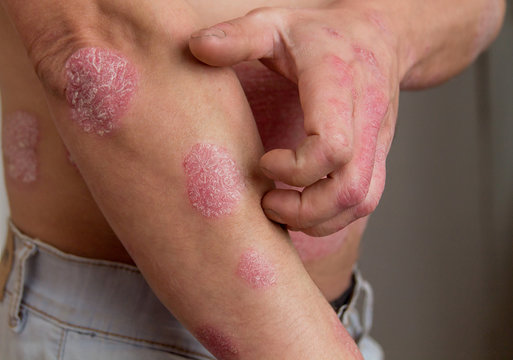
Psoriasis is a chronic immune-mediated skin disease that causes skin cells to multiply much faster than normal. As a result, thick, scaly plaques develop on the skin.
Psoriasis is not contagious and cannot be passed from one person to another.
Symptoms often improve and worsen over time, with periods of remission and flare-ups.
Symptoms
Common symptoms include:
- Thick, well-defined red plaques
- Silvery-white scales
- Dry, cracked skin
- Bleeding after scratching
- Itching
- Burning sensation
Some people also develop:
- Nail pitting
- Thickened nails
- Nail separation
- Joint pain (psoriatic arthritis)
Common Locations
Psoriasis commonly affects:
- Elbows
- Knees
- Scalp
- Lower back
- Hands
- Feet
What Causes Psoriasis?
The exact cause is unknown, but several factors contribute:
- Genetic predisposition
- Immune system dysfunction
- Stress
- Skin injuries
- Streptococcal throat infections (particularly guttate psoriasis)
- Smoking
- Excessive alcohol consumption
- Obesity
Certain medications may also trigger or worsen psoriasis in some individuals.
Treatment
Although psoriasis cannot currently be cured, treatment often controls symptoms effectively.
Depending on the severity, treatment may include:
- Regular moisturizers
- Salicylic acid preparations
- Coal tar products
- Topical corticosteroids
- Vitamin D analogues (such as calcipotriol)
- Topical calcineurin inhibitors for selected sensitive areas
- Phototherapy
- Oral medicines
- Biologic therapies for moderate to severe psoriasis
Avoiding smoking, limiting alcohol intake, maintaining a healthy weight and managing stress may also help reduce flare-ups.
Seborrheic Dermatitis
What Is Seborrheic Dermatitis?
Seborrheic dermatitis is a chronic inflammatory skin condition that mainly affects areas rich in oil (sebaceous) glands.
It is associated with an overgrowth of a naturally occurring yeast called Malassezia in susceptible individuals. It is not caused by poor hygiene and is not generally considered contagious.
The condition often comes and goes over time.
Symptoms
Symptoms may include:
- Greasy yellow or white scales
- Flaking (dandruff)
- Redness
- Mild itching
- Oily skin
- Irritated skin
Common Locations
Seborrheic dermatitis commonly affects:
- Scalp
- Eyebrows
- Around the nose
- Behind the ears
- Beard area
- Chest
What Causes Seborrheic Dermatitis?
Several factors may contribute:
- Overgrowth of Malassezia yeast
- Oily skin
- Stress
- Cold, dry weather
- Hormonal influences
- Parkinson’s disease
- HIV infection
Treatment
Treatment usually aims to reduce inflammation and control yeast overgrowth.
Common options include:
- Ketoconazole shampoo or cream
- Selenium sulfide shampoo
- Zinc pyrithione shampoo
- Coal tar shampoos
- Mild topical corticosteroids (short-term use)
- Topical calcineurin inhibitors for selected facial areas
Regular use of medicated shampoos often helps prevent recurrences.
Fungal Skin Infections (Tinea)
What Are Fungal Skin Infections?
Fungal skin infections are caused by fungi known as dermatophytes or, in some cases, by yeasts.
These infections are contagious and often spread through direct skin contact, shared towels, contaminated floors, or infected animals.
Unlike psoriasis and seborrheic dermatitis, fungal infections continue to enlarge if left untreated.
Symptoms
Common symptoms include:
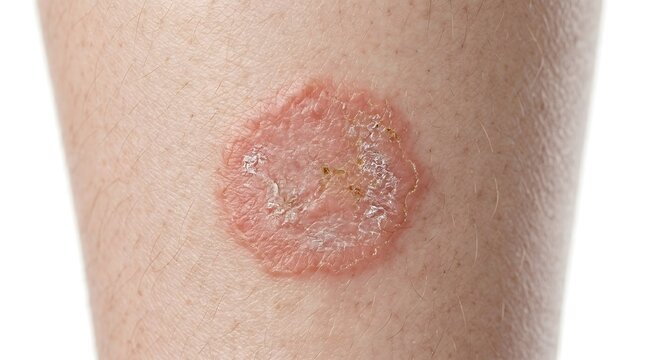
- Ring-shaped rash
- Red, raised border
- Scaling
- Itching
- Gradually enlarging lesion
- Sometimes central clearing
Depending on the location, fungal infections are known as:
- Ringworm (tinea corporis)
- Athlete’s foot (tinea pedis)
- Jock itch (tinea cruris)
- Scalp ringworm (tinea capitis)
Common Causes
Risk factors include:
- Warm, humid environments
- Excessive sweating
- Swimming pools
- Shared changing rooms
- Tight clothing
- Contact sports
- Pets with fungal infections
Treatment
Treatment depends on the location and severity.
Options include:
- Clotrimazole
- Miconazole
- Terbinafine
- Ketoconazole
- Oral antifungal medicines for more extensive or scalp infections
The CDC currently recommends 2–4 weeks of OTC topical antifungal treatment for skin ringworm, depending on the product and infection. Scalp ringworm is different and generally requires oral prescription antifungal treatment for 1–3 months.
Do not use topical corticosteroids alone unless advised by a healthcare professional, corticosteroid creams can make ringworm worse and can mask the infection
Comparison Table
| Feature | Dry Skin | Psoriasis | Seborrheic Dermatitis | Fungal Infection |
|---|---|---|---|---|
| Contagious | ❌ No | ❌ No | ❌ No | ✅ Yes |
| Itching | Mild | Mild–moderate | Mild | Moderate |
| Scales | Fine | Thick silvery | Greasy yellow | Fine |
| Redness | Mild | Yes | Yes | Yes |
| Typical location | Anywhere | Elbows, knees, scalp | Scalp, face, chest | Feet, groin, body, scalp |
| Main cause | Loss of skin moisture | Immune-mediated disease | Inflammation associated with Malassezia | Dermatophytes or yeasts |
Skin Conditions in Children
Children can also develop dry, scaly skin.
Common conditions include:
- Dry skin
- Cradle cap (infantile seborrheic dermatitis)
- Ringworm
- Psoriasis (less common)
Parents should seek medical advice if:
- The rash spreads rapidly.
- The skin becomes painful.
- Pus develops.
- The scalp is affected with patchy hair loss.
- The child develops fever.
- Home treatment does not improve symptoms.
💊 Pharmacist’s Tip
Not every scaly rash is eczema. Psoriasis, seborrheic dermatitis and fungal infections often look similar but require different treatments. One of the most common mistakes is applying a corticosteroid cream to a fungal infection, which can temporarily reduce redness while allowing the fungus to spread (sometimes called tinea incognito). If a rash is ring-shaped, gradually enlarges, or does not improve with appropriate treatment, seek medical advice.
Is psoriasis contagious?
No. Psoriasis is an immune-mediated condition and cannot be spread from one person to another.
Can seborrheic dermatitis be cured?
No. It is usually a long-term condition, but symptoms can often be controlled with regular treatment.
Is dandruff the same as seborrheic dermatitis?
Mild dandruff is considered a mild form of seborrheic dermatitis affecting the scalp.
Can fungal infections spread to other people?
Yes. Many fungal skin infections spread through direct skin contact or shared towels, clothing, shoes, or sports equipment.
Why is my skin drier as I get older?
As we age, the skin produces less natural oil and retains less moisture, making dryness more common.
Can stress make psoriasis worse?
Yes. Emotional stress is a common trigger for psoriasis flare-ups in many people.
Can pets give me ringworm?
Yes. Cats, dogs and other animals can transmit certain fungal infections to humans.
When should I see a doctor?
Seek medical advice if your rash spreads rapidly, becomes painful, develops pus, affects the face or eyes, is associated with fever, or does not improve after appropriate self-care.
Clinical Disclaimer
This article is for educational purposes only and should not replace professional medical advice. Consult your healthcare professional if you have a persistent, worsening, or unexplained skin condition, signs of infection, severe pain, or symptoms that interfere with daily life.
Related Articles
- Why Do I Have Blisters, Sores or Crusts on My Skin? Common Skin Infections Explained
- Why Do I Have a Skin Rash?
- Why Are My Eyes Red?
- Should I Be Worried About This Mole?
- What Are These Spots on My Skin?
- Vitamin D: Benefits, Dosage, Side Effects & Interactions
- Omega-3: Benefits, EPA/DHA Ratios, Dosage, Side Effects & Interactions
References:
American Academy of Dermatology. Clinical Guidelines: Psoriasis. Evidence-based guidelines covering topical treatment, phototherapy, systemic therapies and biologic medicines.
American Academy of Dermatology (AAD). Psoriasis: Diagnosis and Treatment. Current clinical information on psoriasis symptoms and treatment options, including topical therapies, phototherapy and systemic/biologic treatments.
American Academy of Dermatology (AAD). Seborrheic Dermatitis: Diagnosis and Treatment. Information on symptoms, diagnosis, antifungal treatments, medicated shampoos and corticosteroids.
American Academy of Dermatology (AAD). Dry Skin: Diagnosis and Treatment. Evidence-based recommendations for moisturizers, skin-barrier care and management of xerosis.
American Academy of Dermatology (AAD). Dry Skin: Who Gets It and What Causes It. Information on aging, environmental factors, medications and medical conditions associated with dry skin.
Centers for Disease Control and Prevention (CDC). Ringworm Basics. Current information on dermatophyte infections, symptoms, transmission, diagnosis and treatment.
Centers for Disease Control and Prevention (CDC). Treatment of Ringworm. Current recommendations for topical antifungal treatment of skin infections and oral treatment for scalp ringworm.
Centers for Disease Control and Prevention (CDC). Ringworm Prevention. Information on transmission between people and animals and practical prevention measures.