Evidence-Based Guide to Immune Support, Colds, Flu & Recurrent Infections
Echinacea: Benefits, Uses, Dosage, Side Effects & Drug Interactions
What Is Echinacea?
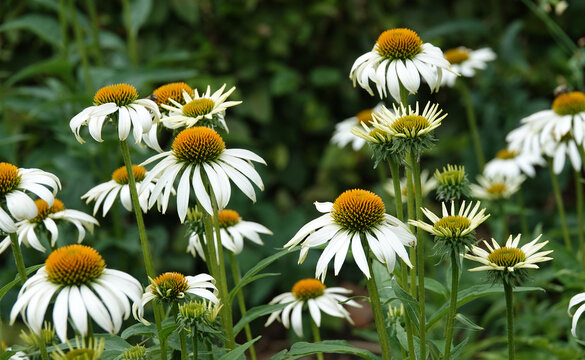
Echinacea is a group of flowering plants native to North America that has been used in traditional herbal medicine for centuries. Today, it is one of the world’s most popular herbal supplements, primarily taken to support the immune system and reduce the severity or duration of common colds.
Several species are used in dietary supplements, but Echinacea purpurea, Echinacea angustifolia, and Echinacea pallida are the most common.
Depending on the product, supplements may contain extracts from the:
- Roots
- Leaves
- Flowers
- Whole plant
Because different preparations use different species and plant parts, the amount of active compounds can vary considerably between products.
Evidence at a Glance
| Claimed Benefit | Evidence | Current Assessment |
|---|---|---|
| Common cold treatment | ⭐⭐⭐ Moderate | May slightly reduce symptom duration if started early. |
| Prevention of common colds | ⭐⭐⭐ Moderate | May reduce the number of colds in some people, but results are inconsistent. |
| Recurrent respiratory infections | ⭐⭐ Limited | Some promising studies; more research is needed. |
| Immune support | ⭐⭐⭐ Moderate | Supports normal immune responses; not an “immune booster.” |
| Wound healing | ⭐⭐ Limited | Some topical preparations show promise. |
| Cold sores (HSV) | ⭐ Limited | Insufficient evidence for routine use. |
| Influenza | ⭐ Limited | Not a substitute for influenza vaccination or antiviral medicines. |
How Does Echinacea Work?
Echinacea contains a variety of naturally occurring compounds, including:
- Alkamides
- Polysaccharides
- Caffeic acid derivatives
- Flavonoids
- Glycoproteins
Laboratory studies suggest these compounds may influence immune function by:
- Supporting the activity of macrophages.
- Influencing natural killer (NK) cells.
- Modulating cytokine production.
- Providing antioxidant effects.
- Helping regulate inflammatory responses.
Most of these findings come from laboratory or animal studies. Human clinical studies have shown mixed results, partly because different echinacea products contain different amounts of active compounds.
Potential Health Benefits
1. Common Cold
The best-studied use of echinacea is for the common cold.
Some clinical trials suggest that taking echinacea at the first signs of a cold may slightly reduce the duration or severity of symptoms. Other studies have found little or no benefit.
Overall, current evidence suggests that echinacea may provide a modest benefit for some people, but it should not be considered a cure for the common cold.
2. Can Echinacea Help Prevent Colds?
Research is mixed.
Some studies have shown fewer colds in people taking echinacea regularly during the cold season, while others have not demonstrated a meaningful preventive effect.
Differences in study design, echinacea species, dosage, and product quality likely contribute to these inconsistent findings.
At present, echinacea cannot be recommended as a guaranteed method of preventing colds, although some individuals may find it helpful.
3. Immune Support
Echinacea is often advertised as an immune booster, but this description is misleading.
The immune system is highly complex and does not simply become “stronger” by taking supplements.
Current evidence suggests that echinacea may help support normal immune responses rather than overstimulating the immune system.
This distinction is important because excessive immune activation can be harmful in certain medical conditions.
Autoimmune conditions: People with autoimmune diseases should talk with their healthcare professional before using Echinacea. Because Echinacea may influence immune activity, its safety in autoimmune conditions is uncertain, and there are concerns about potential interactions with immunosuppressive medicines.
4. Recurrent Respiratory Infections
Some studies suggest that echinacea may modestly reduce the frequency of recurrent upper respiratory tract infections, particularly in people who frequently catch colds.
However, larger, high-quality studies are still needed before firm conclusions can be drawn.
5. Cold Sores (Herpes Simplex Virus)
Because herpes simplex virus remains dormant in nerve cells after the initial infection, many people look for natural ways to reduce recurrences.
Although laboratory research suggests that echinacea has antiviral and immune-modulating properties, clinical evidence that it prevents recurrent cold sores is currently insufficient.
People with frequent herpes outbreaks should not replace proven antiviral therapies with echinacea.
6. Influenza
Echinacea is not a treatment for influenza and should not replace annual influenza vaccination or antiviral medicines when they are indicated.
Although some studies have explored its use during viral respiratory infections, current evidence is insufficient to recommend echinacea specifically for influenza.
7. Wound Healing
Laboratory and small clinical studies suggest that certain topical echinacea preparations may support wound healing by reducing inflammation and promoting tissue repair.
However, additional high-quality research is needed before routine use can be recommended.
Can Echinacea Prevent Every Infection?
No.
Although echinacea may support normal immune function, no herbal supplement can prevent all infections.
A healthy immune system also depends on:
- Adequate sleep.
- A balanced diet.
- Regular physical activity.
- Stress management.
- Routine vaccinations when recommended.
- Treating nutritional deficiencies.
Echinacea should be viewed as one part of an overall healthy lifestyle—not a substitute for evidence-based medical care.
Echinacea Dosage
There is no single standard dose of echinacea because products differ in the species used, the part of the plant (root, leaves, flowers, or whole plant), and the concentration of active compounds.
Always follow the manufacturer’s instructions or your healthcare professional’s advice.
Common formulations include:
- Capsules
- Tablets
- Liquid extracts (tinctures)
- Teas
- Lozenges
- Gummies
- Topical creams and ointments
Clinical studies have generally used echinacea for short periods (7–14 days) during an acute illness. There is limited evidence supporting long-term daily use.
When Should You Take Echinacea?
If you choose to use echinacea for a common cold, evidence suggests it may be most effective when started at the first signs of symptoms, such as:
- Sore throat
- Runny nose
- Sneezing
- Fatigue
- Mild fever
Starting treatment several days after symptoms begin is less likely to provide meaningful benefit.
There is currently insufficient evidence to recommend year-round echinacea supplementation for preventing infections.
Which Form of Echinacea Is Best?
No single formulation has been proven superior.
The best choice depends on your preferences and intended use.
| Form | Advantages | Disadvantages |
|---|---|---|
| Capsules/Tablets | Convenient, consistent dosing | May take longer to absorb |
| Liquid Extract | Flexible dosing, rapid absorption | Strong taste, some products contain alcohol |
| Tea | Pleasant for sore throats, hydration | Variable strength |
| Lozenges | May soothe sore throat | Limited evidence compared with standardized extracts |
| Cream/Ointment | Useful for selected topical applications | Limited evidence for most skin conditions |
Choose products from reputable manufacturers that standardize their extracts and provide clear labeling of the echinacea species used.
Side Effects
Echinacea is generally well tolerated when used for short periods.
Possible side effects include:
- Nausea
- Stomach upset
- Diarrhea
- Mild abdominal discomfort
- Headache
- Dizziness
- Unpleasant taste (liquid extracts)
These side effects are usually mild and temporary.
Allergic Reactions
Although uncommon, allergic reactions can occur.
People who are allergic to plants in the Asteraceae (daisy) family may be more likely to react.
This includes allergies to:
- Ragweed
- Daisies
- Chamomile
- Chrysanthemums
- Marigolds
Symptoms of an allergic reaction may include:
- Rash
- Hives
- Itching
- Swelling of the lips or face
- Wheezing
- Difficulty breathing
Seek emergency medical attention if you develop signs of a severe allergic reaction.
Drug Interactions
Echinacea may interact with certain medications, although many potential interactions are based on laboratory studies rather than strong clinical evidence.
Always tell your healthcare professional or pharmacist about any herbal supplements you are taking.
Immunosuppressive Medicines
Because echinacea may influence immune responses, it should generally be avoided by people taking immunosuppressive medications, unless advised otherwise by their specialist.
Examples include:
- Tacrolimus
- Cyclosporine
- Azathioprine
- Mycophenolate
- Methotrexate (when used as an immunosuppressant)
- Biologic medicines used for autoimmune diseases
Medicines Metabolized by the Liver
Some laboratory studies suggest echinacea may affect certain cytochrome P450 (CYP450) enzymes involved in drug metabolism.
The clinical importance of these effects appears to be small for most people, but caution is reasonable when taking medicines with a narrow therapeutic index.
If you take multiple prescription medicines, consult your pharmacist or healthcare professional before using echinacea regularly.
Who Should Avoid Echinacea?
Echinacea may not be suitable for everyone.
Speak with your healthcare professional before using echinacea if you:
- Have a known allergy to plants in the daisy family.
- Have previously experienced an allergic reaction to echinacea.
- Have received an organ transplant.
- Are taking immunosuppressive medicines.
- Have a serious chronic illness requiring specialist care.
- Are pregnant or breastfeeding.
- Plan to give echinacea to a young child.
Autoimmune Diseases
Because echinacea may influence immune function, people with autoimmune diseases such as:
- Multiple sclerosis
- Systemic lupus erythematosus (SLE)
- Rheumatoid arthritis
- Autoimmune hepatitis
should discuss its use with their healthcare professional.
Current evidence is limited, and routine use cannot be recommended in these conditions without individualized medical advice.
Pregnancy and Breastfeeding
Research on echinacea during pregnancy is limited.
Available studies have not identified major safety concerns, but the evidence is insufficient to recommend routine use.
Pregnant or breastfeeding women should consult their healthcare professional before taking echinacea or any herbal supplement.
Echinacea for Children
Echinacea has been studied in children with common colds, but results have been inconsistent.
Some studies suggest a modest benefit, while others have shown no significant improvement.
In addition, allergic reactions appear to occur more frequently in children than in adults.
Parents should consult a healthcare professional before giving echinacea to young children, especially those with asthma, eczema, or known allergies.
💊 Pharmacist’s Tip
Many people begin taking echinacea after a cold is already well established and expect dramatic results. If echinacea provides any benefit, it appears to work best when started at the very beginning of symptoms, and even then the effect is generally modest. It should be viewed as a complementary option rather than a substitute for rest, hydration, good nutrition, recommended vaccinations, or prescribed medicines when needed.
Amazon Products That May Help
⭐ Standardized Echinacea Capsules
Convenient for short-term use during cold season.
⭐ Alcohol-Free Liquid Echinacea Extract
Suitable for people who prefer liquid preparations or wish to adjust the dose.
⭐ Organic Echinacea Tea
May help soothe the throat while providing hydration during a cold.
⭐ Echinacea Lozenges
Useful for people with sore throats who prefer not to swallow capsules.
Does echinacea really work?
Studies suggest echinacea may reduce the duration or severity of common cold symptoms in some people, but results are mixed.
Can echinacea prevent colds?
Possibly, but the evidence is inconsistent. Some studies suggest a small reduction in the number of colds, while others show no significant preventive effect.
Is echinacea an immune booster?
Not exactly. Current evidence suggests echinacea may support normal immune function rather than simply “boosting” the immune system.
Can I take echinacea every day?
Long-term daily use has not been well studied. Most clinical trials have evaluated short-term use during respiratory infections. Some evidence suggests 20 days course and 10 days pause.
Can I take echinacea with antibiotics?
In most cases, yes. There are no well-established clinically significant interactions between echinacea and commonly used antibiotics. However, inform your healthcare professional about all supplements you take.
Can echinacea help cold sores?
Evidence is currently insufficient to recommend echinacea routinely for preventing or treating recurrent cold sores.
Is echinacea safe for children?
Some studies have included children, but the benefits appear modest and allergic reactions may occur. Always seek medical advice before giving echinacea to young children.
Who should not take echinacea?
People with known allergies to the daisy family, those taking immunosuppressive medications, organ transplant recipients, and individuals with certain autoimmune diseases should seek medical advice before using echinacea.
Clinical Disclaimer
This article is for educational purposes only and should not replace professional medical advice. Herbal supplements are not suitable for everyone and may interact with prescription medicines or certain medical conditions. Consult your healthcare professional before using echinacea if you are pregnant, breastfeeding, taking prescription medicines, have an autoimmune disease, or have received an organ transplant. Seek immediate medical attention if you develop signs of a severe allergic reaction after taking echinacea.
Related Articles
- VITAMIN D guide
- Vitamin C: Benefits, Dosage, Side Effects & Interactions
- Zinc Benefits: Immunity, Hair Growth & Health Explained
- Why Am I Always Short of Breath? Could It Be Asthma?
- Why Do I Have Blisters, Sores or Crusts on My Skin? Common Skin Infections Explained
- Best Supplements for Immunity: What Works and How to Choose (Evidence-Based Guide)
- Best Immune Supplements for Children (2026): Safe & Evidence-Based Guide
- Vitamin D and the Immune System
- 🧴 Skin Health
- 🧭 Health Compass
- 👁 Eye Health
References
- National Center for Complementary and Integrative Health (NCCIH). Echinacea: What You Need to Know.
- European Medicines Agency (EMA). Community Herbal Monograph on Echinacea purpurea.
- Cochrane Database of Systematic Reviews. Echinacea for Preventing and Treating the Common Cold.
- European Scientific Cooperative on Phytotherapy (ESCOP). Echinacea Monograph.
- Natural Medicines Database. Echinacea Monograph.
- World Health Organization (WHO). WHO Monographs on Selected Medicinal Plants.
Comparison table of some herbal supplements
| Herb | Main Use | Best Evidence |
|---|---|---|
| Echinacea | Common colds, immune support | Moderate for modest reduction in cold symptoms when started early |
| Elderberry | Viral respiratory symptoms | Moderate for symptom relief; evidence varies |
| Propolis | Cold sores, oral health | Moderate for topical cold sore healing and oral health applications |
| Garlic | Cardiovascular health, antimicrobial properties | Stronger evidence for cardiovascular effects than for infection prevention |