Why Am I Always Short of Breath? Could It Be Asthma?
Asthma
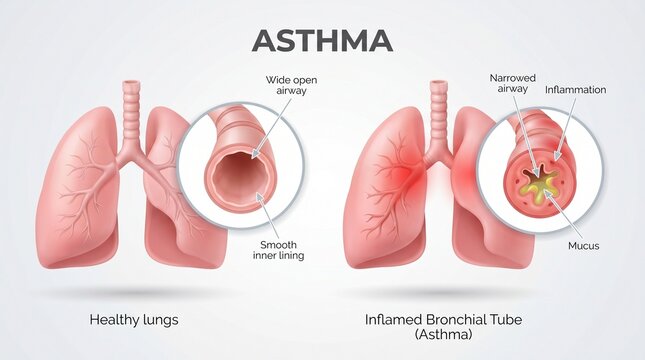
Asthma is a chronic inflammatory disease of the airways that causes episodes of wheezing, coughing, chest tightness, and shortness of breath. It affects more than 260 million people worldwide and is one of the most common chronic respiratory diseases in both children and adults.
In asthma, the airways become inflamed and overly sensitive. Exposure to certain triggers causes the muscles surrounding the airways to tighten, the lining to swell, and mucus production to increase, making breathing difficult.
Although asthma cannot be cured, it can usually be well controlled with appropriate medications, trigger avoidance, and regular follow-up. Most people with asthma can lead active, healthy lives.
What Is Asthma?
Asthma is a long-term condition characterized by:
- Chronic airway inflammation
- Airway narrowing (bronchoconstriction)
- Increased mucus production
- Airway hyperresponsiveness (airways react strongly to triggers)
Asthma symptoms often come and go, with periods of good control interrupted by flare-ups (asthma attacks or exacerbations).
Common Symptoms
Symptoms may include:
- Wheezing (a whistling sound when breathing)
- Shortness of breath
- Chest tightness
- Persistent cough
- Night-time coughing
- Difficulty exercising
- Rapid breathing
- Fatigue during physical activity
Symptoms often worsen:
- At night
- Early in the morning
- During exercise
- During viral infections
- After allergen exposure
Types of Asthma
Allergic Asthma
The most common type.
Triggered by allergens such as:
- Pollen
- Dust mites
- Pet dander
- Mold
- Cockroaches
People with allergic asthma often also have:
- Allergic rhinitis
- Eczema
- Food allergies
Non-Allergic Asthma
Triggered by:
- Respiratory infections
- Cold air
- Exercise
- Stress
- Air pollution
- Smoke
Exercise-Induced Bronchoconstriction
Symptoms occur during or shortly after exercise.
Common triggers include:
- Running
- Cycling
- Cold weather sports
Occupational Asthma
Caused by workplace exposure to:
- Flour dust
- Chemicals
- Paint fumes
- Cleaning products
- Wood dust
- Animal proteins
Severe Asthma
A small percentage of patients have severe asthma that remains poorly controlled despite high-dose treatment.
These patients may require biologic medications.
What Causes Asthma?
The exact cause is unknown, but asthma develops through a combination of genetic and environmental factors.
Genetics
Having a parent with asthma significantly increases your risk.
Allergies
People with allergies are more likely to develop asthma.
Common allergens include:
- Dust mites
- Pollen
- Pet dander
- Mold
- Cockroach allergens
Respiratory Infections
Viruses such as the common cold, influenza, and RSV commonly trigger asthma attacks.
Air Pollution
Air pollution increases airway inflammation.
Tobacco Smoke
Smoking and secondhand smoke are major asthma triggers.
Obesity
Obesity increases asthma severity and makes symptoms harder to control.
Weather Changes
Cold air, sudden temperature changes, humidity, and thunderstorms may trigger symptoms.
Common Asthma Triggers
- Pollen
- Dust mites
- Mold
- Pet dander
- Smoke
- Air pollution
- Exercise
- Cold air
- Viral infections
- Strong perfumes
- Cleaning chemicals
- Emotional stress
Risk Factors
You are more likely to develop asthma if you:
- Have allergies
- Have eczema
- Have allergic rhinitis
- Have a family history of asthma
- Smoke
- Are overweight
- Are exposed to occupational irritants
Can Medications Trigger Asthma?
Yes. Certain medications can trigger asthma symptoms in susceptible individuals.
Aspirin and NSAIDs
Some people develop worsening asthma after taking:
- Aspirin
- Ibuprofen
- Naproxen
- Diclofenac
This condition is known as aspirin-exacerbated respiratory disease (AERD).
Beta Blockers
Examples include:
- Propranolol
- Atenolol
- Metoprolol
These medications may worsen asthma by narrowing the airways, particularly non-selective beta blockers.
ACE Inhibitors
Examples include:
- Enalapril
- Ramipril
- Lisinopril
These medications can cause a persistent dry cough that may be mistaken for worsening asthma.
How Is Asthma Diagnosed?
Diagnosis includes:
- Medical history
- Physical examination
- Lung function testing
Investigations may include:
Spirometry
The most important test.
Measures:
- Forced Expiratory Volume in 1 second (FEV₁)
- Forced Vital Capacity (FVC)
Improvement after a bronchodilator supports the diagnosis.
Peak Flow Monitoring
Measures changes in airflow at home.
Fractional Exhaled Nitric Oxide (FeNO)
Measures airway inflammation.
Allergy Testing
Useful for allergic asthma.
Chest X-ray
Usually normal but may help exclude other conditions.
How Is Asthma Treated?
Treatment depends on symptom severity.
Reliever Inhalers
Provide rapid symptom relief.
Examples include:
- Salbutamol (Albuterol)
- Terbutaline
They relax the airway muscles within minutes.
Frequent use indicates poor asthma control.
Inhaled Corticosteroids (ICS)
The cornerstone of long-term asthma treatment.
Examples include:
- Budesonide
- Beclometasone
- Fluticasone
- Mometasone
These reduce airway inflammation and decrease the risk of asthma attacks.
Combination Inhalers (ICS + LABA)
Examples include:
- Budesonide/Formoterol
- Fluticasone/Salmeterol
- Fluticasone/Vilanterol
These combine an inhaled corticosteroid with a long-acting bronchodilator for improved symptom control.
Long-Acting Muscarinic Antagonists (LAMA)
Example:
- Tiotropium
May be added for patients whose asthma remains uncontrolled despite standard therapy.
Leukotriene Receptor Antagonists
Example:
- Montelukast
May be helpful in some people, particularly those with allergic asthma or exercise-induced symptoms. Patients should be informed about the potential risk of neuropsychiatric side effects.
Oral Corticosteroids
Examples include:
- Prednisone
- Prednisolone
Used for severe asthma attacks or, in selected cases, severe uncontrolled asthma.
Long-term use is generally avoided because of significant side effects.
Biologic Medications
For severe asthma that remains uncontrolled despite high-dose inhaled therapy.
Examples include:
- Omalizumab (allergic asthma)
- Mepolizumab
- Benralizumab
- Reslizumab
- Dupilumab
- Tezepelumab
These target specific inflammatory pathways and can reduce severe exacerbations in eligible patients.
What Should You Do During an Asthma Attack?
Follow your asthma action plan if you have one.
General steps include:
- Use your prescribed reliever inhaler as directed.
- Sit upright and try to remain calm.
- Loosen tight clothing.
- Monitor your breathing and symptoms.
- Seek urgent medical care if symptoms do not improve promptly, worsen, or you have difficulty speaking, severe breathlessness, or bluish lips or fingers.
People with severe asthma should discuss an individualized action plan with their healthcare provider.
Supplements That May Help
Supplements should not replace prescribed asthma medications, but correcting nutritional deficiencies may support overall respiratory health.
Vitamin D
Vitamin D deficiency has been associated with increased asthma exacerbations. Supplementation in people with low vitamin D levels may reduce the risk of severe asthma attacks.
Magnesium
Intravenous magnesium sulfate is used in hospitals for severe asthma attacks.
Routine oral magnesium supplementation has limited evidence and should not replace standard treatment.
Omega-3 Fatty Acids
Omega-3 fatty acids have anti-inflammatory properties, but clinical studies have shown mixed results. They are not routinely recommended specifically for asthma management.
Probiotics
Current evidence does not support probiotics as an effective treatment for asthma.
Vitamin C
Vitamin C supports immune function, but evidence that it improves asthma control is limited.
Lifestyle Tips
To help reduce asthma symptoms:
- Do not smoke.
- Avoid secondhand smoke.
- Maintain a healthy weight.
- Exercise regularly if symptoms are well controlled.
- Identify and avoid personal triggers.
- Receive recommended influenza and COVID-19 vaccinations if advised by your healthcare provider.
- Consider pneumococcal vaccination if appropriate for your age or medical condition.
- Follow your prescribed asthma action plan.
Amazon Recommendations
Asthma Monitoring
Air Quality
Supplements
- NOW Vitamin D3
- Magnesium Glycinate (if recommended by your healthcare provider)
When Should You See a Doctor?
Arrange a medical evaluation if you:
- Have frequent coughing or wheezing
- Wake at night because of asthma symptoms
- Need your reliever inhaler more than recommended
- Have increasing shortness of breath
- Experience symptoms that interfere with daily activities
Seek Emergency Medical Care If You Have:
- Severe difficulty breathing
- Blue lips or fingertips
- Inability to speak full sentences
- Confusion or drowsiness
- No improvement after using your reliever inhaler as directed
Asthma in Children
Asthma is one of the most common chronic conditions affecting children. It causes inflammation and narrowing of the airways, making it difficult to breathe. Symptoms may come and go, and many children experience flare-ups after exposure to viral infections, allergens, exercise, cold air, or cigarette smoke.
Although asthma cannot be cured, it can usually be managed successfully with the right treatment and by avoiding known triggers. Early diagnosis and good asthma control help children stay active, sleep well, and reduce the risk of severe asthma attacks.
Symptoms
Asthma symptoms in children may include:
- Frequent coughing, especially at night
- Wheezing (a whistling sound when breathing)
- Shortness of breath
- Chest tightness or discomfort
- Rapid breathing
- Difficulty keeping up with physical activities
- Tiredness after playing or exercising
- Coughing during or after exercise
- Symptoms that worsen during colds or viral infections
Some young children may only have a persistent cough without obvious wheezing, making asthma more difficult to recognize.
Common Triggers
Many different factors can trigger asthma symptoms in children, including:
- Colds and other viral respiratory infections
- Pollen, dust mites, and mold
- Pet dander
- Cigarette smoke and secondhand smoke
- Air pollution
- Cold air
- Exercise
- Strong perfumes or chemical fumes
- Weather changes
- Emotional stress or excitement
Identifying your child’s triggers can help reduce asthma flare-ups.
Treatment
Treatment aims to control symptoms, prevent asthma attacks, and allow children to participate in normal daily activities.
Depending on the severity of asthma, treatment may include:
- A reliever inhaler (usually containing salbutamol) to quickly open the airways during asthma symptoms.
- A preventer inhaler (usually an inhaled corticosteroid) taken every day to reduce airway inflammation and prevent future attacks.
- A spacer device, which helps young children inhale medication more effectively.
- An individualized Asthma Action Plan developed with your child’s healthcare provider.
Children should continue taking their preventer inhaler even when they feel well unless advised otherwise by their healthcare provider.
Helping Your Child Manage Asthma
Parents can help keep asthma under control by:
- Making sure inhalers are used with the correct technique.
- Using a spacer if recommended.
- Giving preventer medication every day as prescribed.
- Avoiding exposure to cigarette smoke.
- Reducing exposure to known allergens where possible.
- Encouraging regular physical activity when asthma is well controlled.
- Keeping vaccinations up to date, including the annual influenza vaccine if recommended.
- Following the child’s Asthma Action Plan.
Regular follow-up appointments help ensure that treatment remains effective as your child grows.
When Should You See a Doctor?
Arrange a medical evaluation if your child:
- Has frequent coughing, wheezing, or shortness of breath.
- Needs their reliever inhaler more often than recommended.
- Frequently wakes up at night because of asthma symptoms.
- Has symptoms that interfere with school, sports, or daily activities.
- Has repeated asthma attacks despite treatment.
Seek Emergency Medical Care Immediately If Your Child:
- Is struggling to breathe or breathing very rapidly.
- Cannot speak in full sentences because of breathlessness.
- Has blue or gray lips or fingernails.
- Is pulling in the muscles between the ribs or at the neck while breathing.
- Does not improve after using their reliever inhaler.
- Becomes unusually sleepy, confused, or difficult to wake.
These symptoms may indicate a severe asthma attack, which requires immediate emergency treatment.
💡 Pharmacist’s Tip for Parents
Many asthma attacks can be prevented with proper daily treatment. Make sure your child uses their inhaler correctly and always has their reliever inhaler available at school, during sports, and while traveling. If your child is using their reliever inhaler frequently or symptoms are becoming more common, arrange a review with their healthcare provider, as this may indicate that their asthma is not well controlled.
Can asthma be cured?
No. Asthma is a chronic condition, but it can usually be well controlled with appropriate treatment.
Is asthma hereditary?
Yes. Having a family history of asthma or allergies increases your risk.
Can allergies cause asthma?
Yes. Allergic asthma is the most common type of asthma and is triggered by allergens such as pollen, dust mites, mold, and pet dander.
Can exercise trigger asthma?
Yes. Exercise-induced bronchoconstriction is common, especially during vigorous activity or in cold, dry air.
Can asthma become dangerous?
Yes. Severe asthma attacks can become life-threatening if not treated promptly.
Is it safe to exercise if I have asthma?
Yes. Most people with well-controlled asthma can exercise safely. If exercise consistently triggers symptoms, consult your healthcare provider to optimize your treatment plan.
Clinical Considerations
Asthma is a chronic inflammatory airway disease characterized by variable airflow obstruction and airway hyperresponsiveness. Current international guidelines emphasize inhaled corticosteroid-containing therapy as the foundation of long-term asthma management, with treatment adjusted according to symptom control and exacerbation risk. Patients with persistent or severe asthma should have their inhaler technique, adherence, and exposure to triggers reviewed regularly. Biologic therapies have significantly improved outcomes for selected patients with severe allergic or eosinophilic asthma.
Related Guides
- Why Is My Nose Always Blocked? Causes, Allergies, Sinusitis, Nasal Polyps and Treatments
- Why Do I Keep Sneezing? Hay Fever (Allergic Rhinitis): Symptoms, Causes & Treatment
- Allergic Skin Reactions: Allergic Dermatitis, Hives and Food Allergies
- Dry Eyes and Eye Allergies (Allergic Conjunctivitis): Causes, Symptoms, Diagnosis and Treatment
- Vitamin D: Benefits, Deficiency, Dosage and Side Effects
- Omega-3 Fatty Acids: Benefits, Dosage and Side Effects
- Drug Allergies and Anaphylaxis: Symptoms, Causes and Emergency Treatment (future pillar)
References
- Global Initiative for Asthma (GINA). Global Strategy for Asthma Management and Prevention.
- American Academy of Allergy, Asthma & Immunology (AAAAI). Asthma Overview.
- American College of Allergy, Asthma & Immunology (ACAAI). Asthma.
- National Heart, Lung, and Blood Institute (NHLBI). Asthma Care Guidelines.
- Mayo Clinic. Asthma.
- UpToDate. Asthma in Adults: Clinical Manifestations and Diagnosis.