
Pink Eye (Conjunctivitis): Symptoms, Causes & Treatment
Why Are My Eyes Red?
Red eyes are one of the most common eye complaints and can have many different causes. While mild redness is often caused by irritation or allergies, it may also be a sign of conjunctivitis (pink eye), one of the most common eye conditions in both adults and children.
Conjunctivitis is inflammation of the conjunctiva, the thin, transparent membrane that covers the white part of the eye and lines the inside of the eyelids. Depending on the cause, conjunctivitis may be viral, bacterial, allergic, or caused by irritation from chemicals or foreign substances.
Most cases improve with appropriate treatment, but some require prompt medical attention to prevent complications or to avoid spreading infection.
What Is Conjunctivitis?
Conjunctivitis, commonly known as pink eye, occurs when the conjunctiva becomes inflamed. The inflamed blood vessels become more visible, giving the eye its characteristic red or pink appearance.
Although conjunctivitis is one of the most common causes of red eyes, not every red eye is conjunctivitis. Dry eye syndrome, allergies, eye injuries, glaucoma, and other eye conditions can also cause redness.
Symptoms
Symptoms depend on the underlying cause but commonly include:
- Red or pink eyes
- Watery eyes
- Eye irritation
- Burning or gritty sensation
- Swollen eyelids
- Crusting around the eyelashes
- Eyes sticking together after sleep
- Excessive tearing
- Mild blurred vision caused by discharge
- Sensitivity to light (usually mild)
Some people may also experience itching, pain, or discharge depending on the type of conjunctivitis.
What Causes Pink Eye?
There are four main types of conjunctivitis:
- Viral conjunctivitis
- Bacterial conjunctivitis
- Allergic conjunctivitis
- Irritant (chemical) conjunctivitis
Correctly identifying the cause helps determine the most appropriate treatment.
Viral Conjunctivitis

Viral conjunctivitis is the most common form of pink eye.
It is usually caused by the same viruses responsible for the common cold.
Symptoms
- Red eyes
- Watery discharge
- Burning sensation
- Gritty feeling
- Swollen eyelids
- Cold symptoms
- Sore throat
Viral conjunctivitis often starts in one eye before spreading to the other.
It is highly contagious and spreads through direct contact with infected tears or contaminated surfaces.
Most cases improve within 1 to 3 weeks without antibiotics.
Bacterial Conjunctivitis
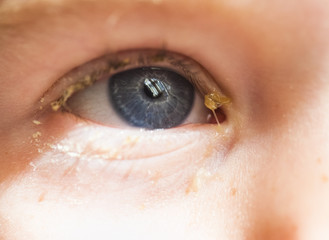
Bacterial conjunctivitis occurs when bacteria infect the conjunctiva.
Common bacteria include:
- Staphylococcus aureus
- Streptococcus pneumoniae
- Haemophilus influenzae
Symptoms
- Red eye
- Thick yellow or green discharge
- Eyelids stuck together on waking
- Swollen eyelids
- Mild discomfort
- Crusting around the eyelashes
Unlike viral conjunctivitis, bacterial infections usually produce thick pus-like discharge.
Some mild cases improve without antibiotics, but antibiotic eye drops or ointments may shorten the illness and reduce transmission.
Allergic Conjunctivitis

Allergic conjunctivitis develops when the immune system reacts to allergens such as:
- Pollen
- Dust mites
- Pet dander
- Mold
Typical symptoms include:
- Intense itching
- Watery eyes
- Redness
- Puffy eyelids
Unlike viral or bacterial conjunctivitis:
- Both eyes are usually affected.
- There is clear watery discharge, not pus.
- It is not contagious.
For a detailed discussion, see our article:
Why Are My Eyes Itchy? Eye Allergies (Allergic Conjunctivitis).
Irritant Conjunctivitis
The conjunctiva may also become inflamed after exposure to:
- Smoke
- Chlorine
- Shampoo
- Cosmetics
- Air pollution
- Dust
- Foreign bodies
Symptoms usually improve after the irritant is removed and the eye is rinsed with clean water or sterile saline.
Risk Factors
You may be more likely to develop conjunctivitis if you:
- Have a cold or respiratory infection
- Spend time around infected people
- Wear contact lenses
- Have allergies
- Touch your eyes frequently
- Share towels or cosmetics
Diagnosis
Healthcare providers usually diagnose conjunctivitis based on symptoms and an eye examination.
They may ask:
- Is one eye or both eyes affected?
- Is there itching?
- What color is the discharge?
- Do you wear contact lenses?
- Have you recently had a cold?
- Has anyone around you had pink eye?
Eye swabs are rarely needed but may be recommended in severe, recurrent, or treatment-resistant infections.
Treatment
Treatment depends on the underlying cause.
Viral Conjunctivitis
Because viral conjunctivitis is caused by a virus, antibiotics are not effective.
Treatment focuses on relieving symptoms.
Helpful measures include:
- Preservative-free artificial tears
- Cool compresses
- Gentle cleaning of eyelids
- Good hand hygiene
- Avoiding contact lenses until symptoms resolve
Bacterial Conjunctivitis
Mild bacterial conjunctivitis may improve without antibiotics.
When appropriate, healthcare providers may prescribe antibiotic eye drops or ointments.
Common antibiotic eye drops include:
- Chloramphenicol (available without prescription in some countries)
- Fusidic acid
- Ofloxacin
- Ciprofloxacin (for selected cases)
Always complete the prescribed course of antibiotics, even if symptoms improve sooner.
Allergic Conjunctivitis
Treatment may include:
- Antihistamine eye drops
- Mast cell stabilizer eye drops
- Artificial tears
- Cold compresses
- Oral antihistamines if hay fever is also present
Avoid rubbing your eyes, as this can worsen symptoms.
Irritant Conjunctivitis
Treatment includes:
- Removing the irritant
- Rinsing the eyes with sterile saline or clean water
- Artificial tears
Chemical injuries require immediate medical attention.
Contact Lens Wearers
Remove contact lenses immediately if you develop a red eye.
Do not wear lenses again until your symptoms have completely resolved and you have been advised it is safe to do so.
Contact lens wearers have a higher risk of serious eye infections involving the cornea.
Common Eye Drops for Pink Eye
- Artificial tears – for viral and irritant conjunctivitis.
- Antihistamine eye drops (ketotifen, olopatadine) – for allergic conjunctivitis.
- Antibiotic eye drops (chloramphenicol, fusidic acid, ofloxacin, where appropriate) – for bacterial conjunctivitis.
- Lubricating eye gels for comfort.
Prevention
Although not every case of conjunctivitis can be prevented, good hygiene and avoiding known triggers can significantly reduce your risk.
You can help prevent pink eye by:
- Washing your hands frequently with soap and water.
- Avoiding touching or rubbing your eyes.
- Never sharing towels, washcloths, pillows, or eye makeup.
- Replacing eye makeup regularly, especially mascara.
- Cleaning and disinfecting contact lenses as recommended.
- Replacing contact lens cases every three months.
- Avoiding contact lenses while your eyes are red or infected.
- Staying away from people with contagious conjunctivitis whenever possible.
- Keeping windows closed during high pollen seasons if you have eye allergies.
- Wearing sunglasses outdoors to reduce exposure to pollen and dust.
People with allergic conjunctivitis can often reduce flare-ups by identifying and avoiding their allergy triggers.
Pink Eye in Children
Conjunctivitis is one of the most common eye conditions in infants and children. Most cases are caused by viruses or bacteria, although allergies are also a frequent cause, particularly in school-aged children.
Because conjunctivitis spreads easily in schools and daycare centers, good hygiene is essential to reduce transmission.
Symptoms
Children with conjunctivitis may experience:
- Red or pink eyes
- Watery or sticky eyes
- Yellow or green discharge
- Eyes stuck together after sleeping
- Swollen eyelids
- Itching (more common with allergies)
- Burning or gritty sensation
- Increased tearing
- Frequent eye rubbing
Children may also become irritable because of discomfort or sensitivity to light.
Common Causes
The most common causes of conjunctivitis in children include:
- Viral infections (especially after a cold)
- Bacterial infections
- Allergic conjunctivitis
- Smoke or other environmental irritants
- Chlorinated swimming pools
- Poor hand hygiene
Young children often spread conjunctivitis by rubbing their eyes and then touching toys, furniture, or other children.
Treatment
Treatment depends on the cause.
Viral Conjunctivitis
Most cases improve within one to three weeks without antibiotics.
Parents can help by:
- Gently cleaning discharge with sterile cotton wool or gauze soaked in cooled boiled water or sterile saline.
- Applying cool compresses.
- Encouraging regular hand washing.
- Preventing children from rubbing their eyes.
Bacterial Conjunctivitis
Some bacterial infections improve without antibiotics, but healthcare providers may prescribe antibiotic eye drops or ointment when appropriate.
Always complete the full course of treatment.
Allergic Conjunctivitis
Treatment may include:
- Artificial tears
- Cold compresses
- Antihistamine eye drops
- Oral antihistamines if recommended
Avoid rubbing the eyes because rubbing increases inflammation and itching.
Preventing Spread
Parents can help reduce transmission by:
- Washing hands frequently.
- Using separate towels for each family member.
- Washing pillowcases regularly.
- Cleaning toys that children frequently touch.
- Teaching children not to touch or rub their eyes.
Most schools and daycare centers allow children to return once they feel well enough to participate and appropriate treatment has been started when necessary, but local policies may vary.
When Should You See a Doctor?
Arrange a medical evaluation if your child:
- Has significant eye pain.
- Has thick discharge that continues despite treatment.
- Develops swelling around the eye.
- Complains of blurred vision.
- Has symptoms lasting longer than two weeks.
- Wears contact lenses.
- Is younger than one month of age with red or sticky eyes (newborns require prompt assessment).
Seek emergency medical attention immediately if your child develops:
- Severe eye pain.
- Sudden vision loss.
- Extreme sensitivity to light.
- Eye injury.
- Chemical exposure to the eye.
- Severe swelling around the eye with fever.
💡 Pharmacist’s Tip
Not every red eye requires antibiotics. Viral conjunctivitis, the most common type of pink eye, usually improves on its own with supportive care. Antibiotic eye drops only work against bacterial infections and will not help viral or allergic conjunctivitis. If you wear contact lenses, remove them immediately if your eye becomes red or painful and seek medical advice before wearing them again.
Is pink eye contagious?
Viral and bacterial conjunctivitis are contagious, but allergic conjunctivitis is not. Good hand hygiene and avoiding the sharing of towels or cosmetics can help prevent the spread of infection.
How can I tell if conjunctivitis is viral or bacterial?
Viral conjunctivitis usually causes watery discharge, often begins in one eye, and is commonly associated with a recent cold. Bacterial conjunctivitis typically produces thick yellow or green discharge that may cause the eyelids to stick together after sleeping.
Do I need antibiotics for pink eye?
Not always. Antibiotics are only effective against bacterial conjunctivitis. Viral conjunctivitis usually improves without antibiotics, while allergic conjunctivitis is treated with allergy medications rather than antibiotics.
Can I go to work or school with conjunctivitis?
This depends on the cause. Viral and bacterial conjunctivitis can spread to others, so good hygiene is important. Follow your healthcare provider’s advice and your workplace or school’s policy regarding returning after symptoms begin or treatment has started.
Can I wear contact lenses if I have pink eye?
No. Contact lenses should be removed immediately if you develop conjunctivitis. Wait until your symptoms have completely resolved and replace disposable lenses and lens cases if advised by your eye care professional.
Why are my eyes stuck together in the morning?
Sticky eyelids are commonly caused by bacterial conjunctivitis, which produces thick discharge during sleep. Viral infections may also cause some crusting, but allergic conjunctivitis usually produces clear, watery tears rather than thick discharge.
Can conjunctivitis affect only one eye?
Yes. Viral and bacterial conjunctivitis often begin in one eye before spreading to the other. Allergic conjunctivitis usually affects both eyes at the same time.
Can children get conjunctivitis?
Yes. Conjunctivitis is very common in children and is usually caused by viral or bacterial infections. Allergies are another common cause, particularly in children with hay fever or eczema.
When should I worry about a red eye?
Seek urgent medical attention if you develop severe eye pain, sudden vision loss, sensitivity to light, significant swelling around the eye, or redness after an eye injury or chemical exposure. These symptoms are not typical of uncomplicated conjunctivitis and require prompt evaluation.
Clinical Disclaimer
This article is intended for educational purposes only and should not replace professional medical advice, diagnosis, or treatment. Red eyes may have many causes, including allergies, infections, injuries, glaucoma, and other serious eye conditions. Seek immediate medical attention if you experience severe eye pain, sudden vision loss, significant sensitivity to light, eye injury, chemical exposure, or marked swelling around the eye. Always consult a qualified healthcare professional for persistent, worsening, or unexplained eye symptoms.
Related Articles
- Why Are My Eyes Itchy? Eye Allergies (Allergic Conjunctivitis): Symptoms, Causes & Treatment
- Why Do My Eyes Feel Dry? Dry Eye Syndrome: Symptoms, Causes & Treatment
- Why Do I Keep Sneezing? Hay Fever (Allergic Rhinitis): Symptoms, Causes & Treatment
- Drug Allergies: Symptoms, Causes & Treatment
- Asthma: Symptoms, Causes & Treatment
References
- American Academy of Ophthalmology (AAO). Conjunctivitis (Pink Eye).
- National Eye Institute (NEI). Pink Eye (Conjunctivitis).
- Centers for Disease Control and Prevention (CDC). Conjunctivitis (Pink Eye).
- American Academy of Pediatrics (AAP). Managing Conjunctivitis in Children.
- Mayo Clinic. Pink Eye (Conjunctivitis).
- MSD Manual Professional Edition. Conjunctivitis.
- Merck Manual Consumer Version. Conjunctivitis.
- National Institute for Health and Care Excellence (NICE). Conjunctivitis – Clinical Knowledge Summary.