Zinc and Hair Growth: Does Zinc Help Prevent Hair Loss?
Zinc is an essential trace mineral that plays a key role in cell growth, tissue repair, immune function, and hormone regulation. Because hair follicles are rapidly dividing cells, adequate zinc levels are important for maintaining healthy hair growth.
Zinc deficiency has been linked to hair thinning, excessive shedding, and certain types of hair loss. But can zinc supplementation actually improve hair growth?
Here is what science shows.
Why Zinc Is Important for Hair Health
Hair follicles rely on proper cell division and protein synthesis to grow strong hair strands. Zinc supports these processes in several ways.
Zinc helps:
- Support hair follicle cell growth
- Regulate oil glands around follicles
- Maintain scalp health
- Support immune balance
- Reduce inflammation
- Support protein synthesis
Because hair is primarily made of keratin (a structural protein), zinc plays an indirect but important role in hair strength and structure.
Can Zinc Deficiency Cause Hair Loss?
Yes. Zinc deficiency has been associated with:
- Diffuse hair thinning
- Increased hair shedding
- Brittle hair
- Slower hair growth
Low zinc levels may disrupt the hair growth cycle and push follicles into the shedding phase.
Zinc deficiency is more likely to contribute to hair loss when combined with other nutrient deficiencies such as iron or vitamin D.
See also:
- Iron Deficiency and Hair Loss
- Vitamin D and Hair Loss
- Zinc Deficiency Symptoms: Signs Your Body May Be Low in Zinc
Types of Hair Loss Linked to Zinc
Telogen Effluvium
Low zinc levels may contribute to stress-related or deficiency-related hair shedding.
Alopecia Areata
Zinc plays a role in immune regulation. Some research suggests lower zinc levels may be found in individuals with alopecia areata (autoimmune hair loss).
Androgenetic Alopecia
Some studies suggest zinc may influence hormone balance and scalp health, though evidence is mixed.
Can Zinc Supplements Improve Hair Growth?
Zinc supplementation may help if deficiency is present.
Benefits may include:
- Reduced hair shedding
- Improved hair strength
- Better scalp health
- Restoration of normal growth cycle
However:
✔ Supplements help when deficiency exists
❌ Excess zinc does not speed up hair growth
Balanced intake is important.
How Much Zinc Do You Need?
Recommended daily intake:
- Adult men: 11 mg
- Adult women: 8 mg
High doses (above 40 mg daily) should be avoided unless medically supervised.
Excess zinc can interfere with copper absorption and cause side effects.
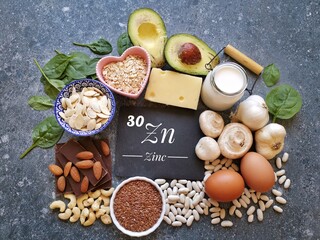
Best Food Sources of Zinc
Dietary zinc supports healthy hair growth.
Good sources include:
- Oysters
- Red meat
- Poultry
- Pumpkin seeds
- Lentils
- Chickpeas
- Nuts
- Whole grains
See our articles:
Other Nutrients That Work With Zinc
Hair health depends on multiple nutrients working together.
Important nutrients include:
- Iron
- Vitamin D
- Biotin
- Magnesium
- Protein
See:
Signs of Zinc Deficiency
Possible signs include:
- Hair thinning
- Poor wound healing
- Weak immunity
- Loss of appetite
- Brittle nails
Blood testing can help confirm deficiency.
When to See a Doctor
Consult a healthcare professional if:
- Hair loss is persistent
- Hair thinning worsens
- You suspect nutrient deficiency
- You experience additional symptoms
Proper diagnosis ensures appropriate treatment.
Final Thoughts
Zinc plays an important role in hair follicle health, immune regulation, and protein synthesis. Zinc deficiency can contribute to hair thinning and excessive shedding, particularly when combined with other nutrient imbalances.
Maintaining adequate zinc intake through diet or appropriate supplementation supports healthy hair growth and overall scalp health.