Iron Deficiency and Hair Loss: Can Low Iron Cause Hair Thinning?
Iron deficiency is one of the most common nutritional deficiencies worldwide and a well-known cause of hair loss, especially in women. Iron plays a critical role in oxygen transport, cell growth, and hair follicle function.
When iron levels are low, hair follicles may not receive enough oxygen and nutrients, which can disrupt the hair growth cycle and lead to excessive shedding.
Here is what science says about the connection between iron deficiency and hair loss.
Why Iron Is Important for Hair Growth
Hair follicles are highly active structures that require a continuous supply of oxygen and nutrients. Iron helps support this process.
Iron supports hair health by:
- Carrying oxygen to hair follicles through red blood cells
- Supporting cell growth and repair
- Maintaining the hair growth cycle
- Supporting energy production in hair follicles
Without adequate iron, hair follicles may weaken and hair growth may slow.
Can Iron Deficiency Cause Hair Loss?
Yes. Research shows iron deficiency is strongly associated with hair shedding and thinning, particularly in women.
Low iron levels may:
- Disrupt the hair growth cycle
- Push hair follicles into the shedding phase (telogen phase)
- Reduce hair growth rate
- Increase hair thinning
Iron deficiency is one of the most common nutritional causes of hair loss.
Types of Hair Loss Linked to Iron Deficiency
Telogen Effluvium (Excessive Hair Shedding)
Telogen effluvium occurs when more hair follicles than normal enter the shedding phase.
Iron deficiency is a common trigger. People may notice:
- Increased hair shedding
- Hair thinning across the scalp
- Hair falling out during brushing or washing
Hair typically regrows once iron levels are corrected.
Chronic Hair Thinning
Long-term iron deficiency may weaken hair structure and reduce hair density over time.
Women with low ferritin levels (stored iron) are more likely to experience chronic hair thinning.
What Is Ferritin and Why It Matters
Ferritin is the protein that stores iron in the body. It is often measured when evaluating hair loss.
Low ferritin levels may indicate insufficient iron available for hair follicle function.
Some experts suggest ferritin levels above 40–70 ng/mL may support optimal hair growth, though individual needs vary.
Blood testing is required to assess iron status.
Symptoms of Iron Deficiency
Iron deficiency may cause:
- Fatigue and low energy
- Pale skin
- Weakness
- Shortness of breath
- Hair thinning or shedding
- Brittle nails
- Headaches
Hair loss may be one of several symptoms.
Who Is at Higher Risk of Iron Deficiency?
Higher risk groups include:
- Women with heavy menstrual cycles
- Pregnant individuals
- Vegetarians or vegans
- People with poor dietary intake
- Individuals with digestive disorders affecting absorption
Risk assessment helps guide treatment.
Can Iron Supplements Improve Hair Growth?
Iron supplementation may help improve hair growth if deficiency is present.
Benefits may include:
- Reduced hair shedding
- Improved hair thickness
- Restoration of normal growth cycle
However:
✔ Supplements help only if deficiency exists
❌ Excess iron can be harmful
Iron should only be taken under medical guidance.
How Long Does It Take to See Results?
Hair regrowth after correcting iron deficiency takes time.
Typical timeline:
- 2–3 months to reduce shedding
- 3–6 months for noticeable improvement
Hair growth cycles require patience.
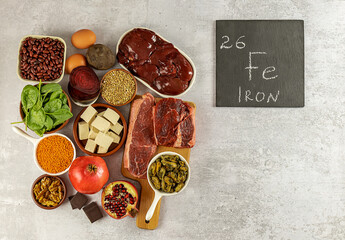
Best Dietary Sources of Iron
Dietary iron supports healthy hair growth.
Good sources include:
- Red meat
- Poultry
- Fish
- Lentils and beans
- Spinach
- Pumpkin seeds
- Fortified cereals
Vitamin C improves iron absorption.
Other Nutrients Important for Hair Growth
Hair loss is often multifactorial. Other important nutrients include:
- Vitamin D
- Zinc
- Vitamin B12
- Magnesium
- Protein
See:
When to See a Doctor
Consult a healthcare professional if:
- Hair loss is persistent or severe
- You experience fatigue or weakness
- Hair thinning continues despite diet changes
- You suspect iron deficiency
Blood testing is necessary for diagnosis.
Final Thoughts
Iron plays a critical role in oxygen delivery, cellular function, and hair follicle health. Iron deficiency is a common and treatable cause of hair loss, particularly in women.
Correcting iron deficiency through proper nutrition and medical guidance can help restore normal hair growth and reduce excessive shedding.
Related guides:
- Iron Deficiency Symptoms: 12 Signs Your Body May Be Low in Iron
- Nutrient Deficiency Symptoms: Common Signs of Low Vitamins and Minerals
- Foods for Hair Growth: Best Nutrients for Healthy Hair
- Stress and Hair Loss: Can Stress Cause Hair Thinning?
- Zinc and Hair Growth: Does Zinc Help Prevent Hair Loss?
- Biotin for Hair Growth: Does It Really Work?
- Vitamin D vs Biotin for Hair Growth: Which Is Better?
- Best Supplements for Hair GrowthBest Vitamins for Hair Growth
- Vitamin D and Hair Loss
- What Causes Hair Loss? Common Reasons and Treatments