Why Have I Lost My Sense of Smell? Causes, Medications, Vitamin Deficiencies and Treatments
Food has no taste? Read: Why Have I Lost My Sense of Taste?
Your sense of smell plays an essential role in enjoying food, detecting dangers such as smoke or gas leaks, and enhancing your quality of life. Losing your sense of smell can make food seem tasteless, reduce your appetite, and sometimes indicate an underlying medical condition.
Loss of smell is common after viral infections, COVID-19, allergies, sinus disease, and nasal polyps. However, medications, smoking, head injuries, vitamin deficiencies, and neurological disorders can also affect your ability to smell.
This guide explains the most common causes of smell loss, how it is diagnosed, and evidence-based treatment options.
What Is Loss of Smell?
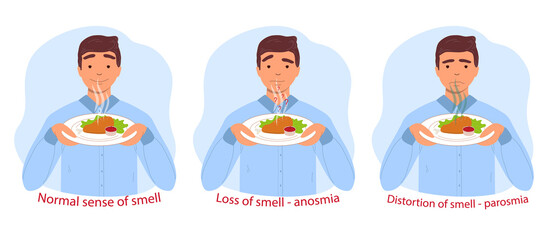
The medical term for complete loss of smell is anosmia.
Other smell disorders include:
- Hyposmia – Reduced sense of smell
- Parosmia – Distorted smell (pleasant odors smell unpleasant)
- Phantosmia – Smelling odors that are not actually present
Loss of smell may develop suddenly or gradually depending on the underlying cause.
Common Symptoms
People with smell disorders may notice:
- Food has little flavor
- Reduced appetite
- Difficulty detecting smoke or gas
- Inability to smell perfume
- Trouble recognizing spoiled food
- Weight loss
- Reduced enjoyment of eating
What Causes Loss of Smell?
Viral Infections (Most Common Cause)
The most common cause of temporary smell loss is a viral upper respiratory infection.
Examples include:
- Common cold
- Influenza
- COVID-19
- Other respiratory viruses
Inflammation temporarily affects the olfactory receptors inside the nose.
Most people recover within a few weeks.
COVID-19
COVID-19 became one of the best-known causes of sudden smell loss.
Unlike the common cold, smell loss during COVID-19 often occurs without nasal congestion.
Recovery may take:
- Days
- Weeks
- Several months
Some individuals develop parosmia during recovery.
Allergies
Seasonal allergies can cause:
- Nasal swelling
- Congestion
- Increased mucus production
These changes prevent odor molecules from reaching the smell receptors.
Treatment usually restores smell.
Chronic Sinusitis
Long-term inflammation of the sinuses commonly causes:
- Nasal blockage
- Facial pressure
- Thick mucus
- Reduced smell
Treating the underlying inflammation often improves symptoms.
Nasal Polyps
Nasal polyps are soft, painless growths inside the nasal passages.
Large polyps may block airflow to the olfactory area, reducing smell.
Symptoms include:
- Blocked nose
- Mouth breathing
- Snoring
- Reduced smell
Aging
The ability to smell naturally declines with age.
Older adults have fewer functioning smell receptors and slower nerve regeneration.
Smoking
Smoking damages the olfactory receptors and reduces blood flow to the nasal tissues.
Many smokers notice gradual improvement after quitting.
Head Injury
Trauma may damage the olfactory nerve or brain regions responsible for smell.
Recovery depends on the severity of the injury.
Loss of Smell as a Medication Side Effect
Although less common than medication-induced taste changes, several medications can reduce or alter the sense of smell (drug-induced hyposmia or anosmia).
Medications may affect smell by:
- Altering olfactory receptor function
- Drying the nasal lining
- Affecting nerve transmission
- Reducing mucus production
- Changing the chemical environment within the nasal cavity
In many cases, smell gradually returns after the medication is changed or discontinued under medical supervision.
Never stop taking a prescribed medication without first consulting your healthcare provider.
Antibiotics
Rarely associated with smell disturbances:
- Clarithromycin
- Azithromycin
- Ciprofloxacin
- Metronidazole
Blood Pressure Medications
Occasionally reported with:
- Captopril
- Enalapril
- Lisinopril
ACE inhibitors are more commonly associated with taste changes, but smell disturbances have also been reported.
Intranasal Decongestant Sprays
Prolonged use of nasal decongestants (such as oxymetazoline) can damage the nasal lining and contribute to reduced smell through rebound congestion.
Intranasal Zinc Products
Certain intranasal zinc-containing products have been linked to permanent smell loss and are no longer recommended.
Oral zinc supplements do not carry this same risk.
Chemotherapy
Cancer treatments may alter:
- Smell
- Taste
- Appetite
Symptoms often improve after treatment ends.
Antidepressants
Rare cases have been reported with:
- Sertraline
- Fluoxetine
- Paroxetine
Statins
Occasionally reported with:
- Atorvastatin
- Simvastatin
- Rosuvastatin
Although uncommon, some patients report smell disturbances while taking statins.
Other Medications
Less commonly associated drugs include:
- Antifungal medications
- Antithyroid medications
- Calcium channel blockers
- Anticonvulsants
- Certain antiviral medications
Vitamin and Mineral Deficiencies
Zinc Deficiency
Zinc is essential for maintaining healthy olfactory receptors.
Deficiency may cause:
- Reduced smell
- Reduced taste
- Poor wound healing
- Hair loss
- Frequent infections
Supplementation should be considered only when deficiency is confirmed or strongly suspected.
Vitamin B12 Deficiency
Vitamin B12 deficiency may impair nerve function and has occasionally been associated with smell disturbances.
Other symptoms include:
- Numbness
- Tingling
- Balance problems
- Fatigue
Vitamin A Deficiency (Rare)
Vitamin A helps maintain healthy nasal mucosa.
Severe deficiency may contribute to smell impairment, although this is uncommon in developed countries.
Neurological Disorders
Persistent smell loss may occasionally indicate neurological disease.
Examples include:
- Parkinson’s disease
- Alzheimer’s disease
- Multiple sclerosis
- Epilepsy
- Brain tumors (rare)
Loss of smell can appear years before the movement symptoms of Parkinson’s disease.
How Is Loss of Smell Diagnosed?
Your healthcare provider may recommend:
- Medical history
- Medication review
- Physical examination
- Nasal examination
Possible investigations include:
- Nasal endoscopy
- CT scan of the sinuses
- MRI (if neurological disease is suspected)
- COVID-19 testing
- Allergy testing
- Zinc level (if clinically indicated)
- Vitamin B12
- Blood glucose
How Is Loss of Smell Treated?
Treatment depends on the underlying cause.
Options include:
- Treating allergies
- Managing sinus infections
- Removing nasal polyps when necessary
- Smoking cessation
- Correcting nutrient deficiencies
- Reviewing medications
- Smell training (olfactory training)
Smell training—repeatedly smelling a set of familiar scents (such as rose, lemon, clove, and eucalyptus) twice daily for several months—is recommended for persistent post-viral smell loss and has shown benefit in clinical studies.
Supplements That May Help
Zinc
May benefit people with confirmed zinc deficiency.
Routine supplementation is not recommended for everyone with smell loss.
Vitamin B12
Helpful when deficiency is identified.
Omega-3 Fatty Acids
Research is ongoing regarding nerve recovery after viral smell loss, but evidence remains limited.
Amazon Recommendations
Zinc
Vitamin B12
Saline Nasal Irrigation
Can COVID-19 permanently affect smell?
Most people recover within weeks or months, although a small percentage experience long-term smell impairment.
Can allergies cause loss of smell?
Yes. Nasal inflammation and congestion commonly reduce smell.
Can medications cause smell loss?
Yes. Certain antibiotics, ACE inhibitors, chemotherapy drugs, intranasal decongestants, and several other medications have been associated with smell disturbances.
Can zinc deficiency cause smell loss?
Yes. Zinc deficiency can impair both smell and taste, although it is less common than viral or nasal causes.
What is smell training?
Smell training involves regularly smelling a small set of familiar scents to stimulate recovery of the olfactory system. It is one of the most effective non-drug treatments for post-viral smell loss.
When should I see a doctor?
Seek medical advice if smell loss:
- Lasts longer than 2–4 weeks
- Follows a head injury
- Occurs with severe headaches
- Is accompanied by facial weakness
- Is associated with neurological symptoms
- Occurs without an obvious cause
Clinical Considerations
Most cases of smell loss are caused by viral infections, allergies, sinus disease, or nasal polyps. Medication-induced smell disorders are less common but should always be considered, particularly after a recent change in treatment. Persistent anosmia without nasal symptoms warrants evaluation for neurological disease or structural abnormalities.
Related Guides
- Why Have I Lost My Sense of Taste?
- Why Do My Hands Shake? Causes, Treatments and Science-Backed Solutions
- Zinc: Benefits, Dosage and Side Effects
- Vitamin B12 Deficiency: Symptoms, Causes and Treatment
- Why Do I Have Ringing in My Ears or Ear Pressure?
References
- National Institute on Deafness and Other Communication Disorders (NIDCD). Smell Disorders.
- American Academy of Otolaryngology–Head and Neck Surgery. Clinical Practice Guideline: Olfactory Dysfunction.
- World Health Organization (WHO). COVID-19 Clinical Management.
- National Institutes of Health (NIH). Office of Dietary Supplements – Zinc Fact Sheet.
- Mayo Clinic. Loss of Smell: Causes and Treatment.
- Cleveland Clinic. Anosmia (Loss of Smell).
- Hummel T, et al. Olfactory Training for Patients With Olfactory Loss. Laryngoscope.
- UpToDate. Evaluation of Olfactory Dysfunction.