Why Have I Lost My Sense of Taste? Causes, Vitamin Deficiencies and Treatments
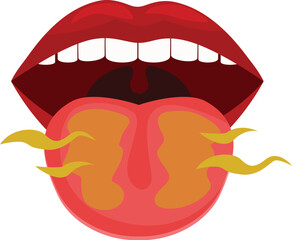
Taste helps us enjoy food, detect spoiled meals, and stimulates appetite. Losing your sense of taste can make eating less enjoyable and sometimes affects nutrition and quality of life.
A reduced or absent sense of taste may occur after a viral infection, COVID-19, allergies, sinus disease, smoking, certain medications, zinc deficiency, or neurological disorders. In many cases, taste gradually returns once the underlying cause is treated.
This guide explains the most common causes of taste loss, how it is diagnosed, and evidence-based treatment options
Lost your sense of smell instead? Read our complete guide: Why Have I Lost My Sense of Smell?
What Is Loss of Taste?
Loss of taste is known medically as ageusia.
Some people experience:
- Complete loss of taste (ageusia)
- Reduced taste (hypogeusia)
- Distorted taste (dysgeusia)
- Persistent unpleasant or metallic taste
Many people who believe they have lost their sense of taste have actually lost their sense of smell, since smell contributes significantly to flavor perception.
Common Symptoms
You may notice:
- Food tastes bland
- Difficulty tasting sweet, salty, sour, bitter, or umami
- Metallic taste
- Bitter taste
- Reduced appetite
- Weight loss
- Difficulty enjoying meals
Why Have I Lost My Sense of Taste?
Viral Infections (Most Common Cause)
Many viral infections temporarily damage taste receptors or affect the nerves involved in taste.
Examples include:
- Common cold
- Influenza
- COVID-19
- Other respiratory viruses
Most people recover within weeks, although recovery may take several months in some cases.
COVID-19
COVID-19 commonly causes sudden loss of taste.
Unlike many other viral infections, this may occur even without a blocked nose.
Taste usually improves gradually, although recovery varies from person to person.
Loss of Smell
Taste and smell work together.
When smell is reduced because of:
- Nasal congestion
- Sinusitis
- Allergies
- Nasal polyps
food often seems tasteless even though the taste buds are functioning normally.
This is one of the most common reasons for perceived taste loss.
Aging
Taste sensitivity naturally declines with age.
Older adults often have fewer taste buds and may also experience reduced smell.
Smoking
Smoking damages taste receptors and reduces blood flow to the mouth.
Many smokers notice improved taste several weeks after quitting.
Dry Mouth (Xerostomia)
Saliva dissolves food chemicals so they can stimulate taste buds.
Dry mouth may result from:
- Medications
- Sjögren’s syndrome
- Diabetes
- Radiation therapy
- Dehydration
Without adequate saliva, tasting food becomes more difficult.
Vitamin and Mineral Deficiencies
Zinc Deficiency
Zinc plays an important role in maintaining normal taste bud function.
Deficiency may cause:
- Reduced taste
- Reduced smell
- Poor wound healing
- Hair loss
- Frequent infections
Zinc supplementation is recommended only when deficiency is confirmed or strongly suspected.
Vitamin B12 Deficiency
Vitamin B12 deficiency may affect nerves involved in taste.
Other symptoms include:
- Tingling
- Numbness
- Fatigue
- Memory problems
Iron Deficiency
Iron deficiency has been associated with changes in taste perception in some individuals.
Other symptoms include:
- Fatigue
- Pale skin
- Hair loss
- Shortness of breath
Loss of Taste as a Medication Side Effect
Many prescription and over-the-counter medications can reduce, distort, or completely alter your sense of taste. This side effect, known as drug-induced dysgeusia or drug-induced ageusia, is surprisingly common and is estimated to occur with hundreds of medications.
Medications may affect taste by:
- Reducing saliva production (dry mouth)
- Altering taste receptor function
- Affecting the nerves involved in taste
- Changing the composition of saliva
- Leaving a bitter or metallic residue in the mouth
In most cases, normal taste returns after the medication is discontinued or changed under medical supervision.
Never stop a prescribed medication without first consulting your healthcare provider.
Blood Pressure Medications
Several blood pressure medicines may alter taste.
Examples include:
- Captopril (most strongly associated)
- Enalapril
- Lisinopril
- Perindopril
ACE inhibitors can produce:
- Metallic taste
- Bitter taste
- Reduced taste sensation
- Complete taste loss (rare)
Antibiotics
Several antibiotics commonly affect taste.
Examples include:
- Metronidazole
- Clarithromycin
- Azithromycin
- Ciprofloxacin
People often describe:
- Bitter taste
- Metallic taste
- Food tasting “wrong”
- Temporary loss of taste
Symptoms usually improve after completing treatment.
Diabetes Medications
Metformin
Metformin is well known for causing:
- Metallic taste
- Reduced taste
- Altered flavor perception
The symptom often improves after several weeks of treatment.
Antidepressants
Some antidepressants can affect taste directly or indirectly by causing dry mouth.
Examples include:
- Sertraline
- Fluoxetine
- Paroxetine
- Amitriptyline
Antihistamines
Many allergy medications reduce saliva production, leading to:
- Dry mouth
- Reduced taste
- Altered taste perception
Examples include:
- Diphenhydramine
- Chlorphenamine
- Promethazine
Chemotherapy
Cancer treatments frequently affect taste.
Patients may experience:
- Complete loss of taste
- Metallic taste
- Bitter taste
- Food aversion
Taste often improves gradually after treatment ends, although recovery may take several months.
Thyroid Medications
Rarely, some thyroid medications have been associated with changes in taste.
Cholesterol Medications (Statins)
Occasionally reported with:
- Atorvastatin
- Simvastatin
- Rosuvastatin
Although uncommon, some patients report altered taste while taking statins.
Smoking Cessation Medications
Examples include:
- Varenicline (Champix/Chantix)
Taste changes are an uncommon but recognized side effect.
Other Medications That May Affect Taste
Additional medicines associated with taste disturbances include:
- Antifungal medications
- Proton pump inhibitors (omeprazole, pantoprazole)
- Muscle relaxants
- Anticonvulsants
- Opioid pain medications
- Anticholinergic drugs
- Some antiviral medications
What Should You Do If a Medication Is Affecting Your Taste?
If you suspect your medication is responsible:
- Do not stop taking it without medical advice.
- Review all prescription, over-the-counter, and herbal products with your healthcare provider or pharmacist.
- Maintain good oral hygiene.
- Stay well hydrated.
- Use sugar-free gum or lozenges if dry mouth is present.
- Ask whether an alternative medication is appropriate.
In many cases, taste gradually returns after the medication is adjusted or discontinued under medical supervision.
Allergies and Sinusitis
Inflammation and nasal congestion reduce smell, which indirectly reduces flavor perception.
Treatment often restores normal taste.
Neurological Disorders
Less common causes include:
- Parkinson’s disease
- Alzheimer’s disease
- Multiple sclerosis
- Stroke
- Head injury
Neurological evaluation may be necessary if taste loss occurs with other neurological symptoms.
Head Injury
Trauma may damage nerves responsible for taste or smell.
Recovery varies depending on the severity of the injury.
Oral Health Problems
Poor oral hygiene, gum disease, and oral infections may alter taste.
Regular dental care is important.
How Is Taste Loss Diagnosed?
Your healthcare provider may recommend:
- Medical history
- Medication review
- Physical examination
- Examination of the mouth and nose
Possible investigations include:
- Zinc level (if clinically indicated)
- Vitamin B12
- Iron studies
- Blood glucose
- COVID-19 testing
- Imaging if neurological disease is suspected
Referral to an ear, nose, and throat (ENT) specialist may be appropriate if symptoms persist.
How Is Loss of Taste Treated?
Treatment depends on the underlying cause.
Possible approaches include:
- Treating allergies
- Treating sinus infections
- Managing dry mouth
- Correcting nutrient deficiencies
- Stopping smoking
- Adjusting medications (only under medical supervision)
- Taste and smell rehabilitation exercises in selected cases
Supplements That May Help
Zinc
Zinc supplementation may improve taste in people with zinc deficiency.
Routine supplementation is not recommended without evidence of deficiency.
Vitamin B12
Helpful when deficiency is present.
Iron
Iron supplementation improves symptoms only in people with confirmed iron deficiency.
Omega-3 Fatty Acids
Research is ongoing regarding nerve recovery after viral infections, but evidence remains limited.
Amazon Recommendations
Zinc
Vitamin B12
Oral Care Products
Can COVID-19 cause loss of taste?
Yes.
COVID-19 is one of the most common causes of sudden taste loss.
Can zinc deficiency cause loss of taste?
Yes.
Zinc deficiency can impair normal taste bud function, although it is not the most common cause.
Why does food suddenly taste bland?
Common causes include viral infections, loss of smell, dry mouth, medications, allergies, or zinc deficiency.
Will my sense of taste come back?
In many cases, yes.
Recovery depends on the underlying cause and may take days, weeks, or months.
Can medications change taste?
Yes.
Several antibiotics, ACE inhibitors, metformin, chemotherapy drugs, and other medications may alter taste.
When should I see a doctor?
Seek medical advice if:
- Taste loss lasts longer than 2–4 weeks
- Symptoms occur after a head injury
- Taste loss is accompanied by facial weakness
- You have difficulty swallowing
- You experience unexplained weight loss
- Taste loss is associated with neurological symptoms
Clinical Considerations
Loss of taste is most commonly caused by viral infections, smell disorders, medications, dry mouth, or nutritional deficiencies. A careful medical history, examination, and targeted laboratory testing can usually identify the underlying cause.
Persistent taste loss should not be ignored, especially when accompanied by neurological symptoms, significant weight loss, or swallowing difficulties.
Related Guides
- Why Have I Lost My Sense of Smell?
- Why Do I Have Bad Breath?
- Why Is My Mouth Dry All the Time?
- Why Am I Always Thirsty?
- Vitamin B12 Deficiency: Symptoms, Causes and Treatment
- Zinc
- Iron Deficiency: Symptoms and Treatment
- Chronic Sinusitis: Symptoms and Causes
References
- American Academy of Otolaryngology–Head and Neck Surgery. Clinical Practice Guidance on Smell and Taste Disorders.
- National Institute on Deafness and Other Communication Disorders (NIDCD). Taste Disorders.
- World Health Organization (WHO). COVID-19 Clinical Management.
- National Institutes of Health (NIH). Office of Dietary Supplements – Zinc Fact Sheet.
- National Institutes of Health (NIH). Office of Dietary Supplements – Vitamin B12 Fact Sheet.
- Mayo Clinic. Loss of Taste: Causes and Treatment.
- Cleveland Clinic. Ageusia and Dysgeusia.
- PubMed. Reviews on post-viral taste dysfunction, zinc deficiency, and dysgeusia.