
Stress and Hair Loss: Can Stress Cause Hair Thinning?
Stress is one of the most common triggers of hair loss. Both physical and emotional stress can disrupt the normal hair growth cycle, leading to excessive shedding, thinning hair, and temporary hair loss.
Stress-related hair loss is usually reversible once the underlying stress is managed. Understanding how stress affects hair growth helps identify the best treatment approach.
Here is what science says about the connection between stress and hair loss.
How Stress Affects Hair Growth
Hair grows in cycles consisting of:
- Anagen phase (growth phase) — active hair growth
- Catagen phase (transition phase) — short resting period
- Telogen phase (shedding phase) — hair falls out naturally
Severe stress can push many hair follicles prematurely into the shedding phase, causing noticeable hair loss.
Chronic stress may also:
- Increase inflammation
- Raise cortisol levels
- Reduce nutrient absorption
- Disrupt hormone balance
These factors negatively affect hair follicle function.
Types of Stress-Related Hair Loss
Telogen Effluvium (Most Common)
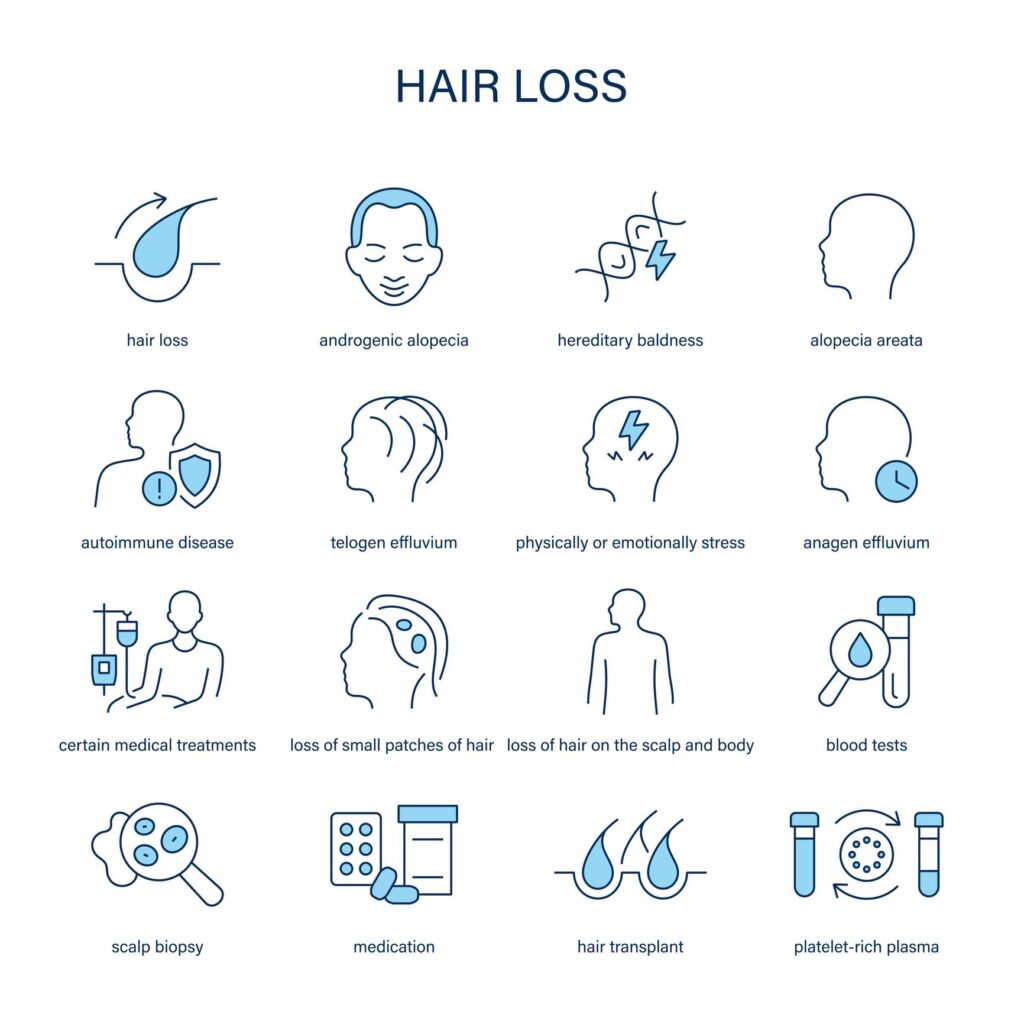
Telogen effluvium occurs when large numbers of hair follicles enter the shedding phase simultaneously.
Common triggers include:
- Emotional stress
- Illness or infection
- Surgery
- Rapid weight loss
- Nutritional deficiencies
Hair shedding typically begins 2–3 months after the stressful event and usually improves over time.
Alopecia Areata
Severe stress may trigger autoimmune reactions in susceptible individuals, leading to patchy hair loss known as alopecia areata.
The immune system attacks hair follicles, interrupting hair growth.
Hair Pulling (Trichotillomania)
Some individuals respond to stress by compulsively pulling hair, which causes noticeable hair loss.
Signs Your Hair Loss May Be Stress-Related
You may have stress-related hair loss if you notice:
- Sudden increase in hair shedding
- Hair falling out in clumps
- Hair thinning across the scalp
- Hair loss after a stressful event
This type of hair loss is typically temporary.
Can Hair Grow Back After Stress?
Yes. In most cases, stress-related hair loss is reversible.
Hair regrowth usually occurs once:
- Stress levels decrease
- The hair growth cycle returns to normal
- Nutritional balance improves
Hair regrowth may take several months.
How to Reduce Stress-Related Hair Loss
Manage Stress Levels
Reducing stress supports normal hair growth.
Helpful strategies include:
- Regular exercise
- Adequate sleep
- Meditation or relaxation techniques
- Balanced lifestyle habits
Support Nutritional Balance
Stress can deplete nutrients essential for hair health.
Important nutrients include:
See:
Maintain Healthy Diet
A nutrient-rich diet supports hair follicle recovery and growth.
When to See a Doctor
Consult a healthcare professional if:
- Hair shedding continues for months
- Hair loss is severe
- Hair loss occurs with other symptoms
- You suspect nutrient deficiency or medical condition
Final Thoughts
Stress can significantly disrupt the hair growth cycle and lead to temporary hair loss. Managing stress, maintaining proper nutrition, and supporting overall health can help restore normal hair growth.
Most stress-related hair loss improves once the underlying cause is addressed.
Related guides:
- Signs of High Cortisol
- How to Lower Cortisol Naturally (Evidence-Based Guide)
- Vitamin D and Hair Loss
- Zinc and Hair Growth: Does Zinc Help Prevent Hair Loss?
- Vitamin D vs Biotin for Hair Growth: Which Is Better?
- Magnesium and Cortisol: How Magnesium Affects Stress Hormones
- Best Supplements for Stress (Evidence-Based Guide)
- 😴 Sleep, Stress & Brain Health
- 🧴 Skin Health
- Foods for Hair Growth: Best Nutrients for Healthy Hair
- Why Do I Gain Belly Fat from Stress? Cortisol, Metabolism and Weight Gain Explained