Why Is My Urine Dark? Causes, Dehydration, Liver Disease and When to Worry
Why Is My Urine Dark?
Urine color can provide important clues about your overall health. While pale yellow urine usually indicates adequate hydration, dark yellow, amber, brown, or even red urine may signal dehydration, medications, certain foods, or an underlying medical condition.
In many cases, dark urine is harmless and improves after drinking enough fluids. However, persistent dark urine or urine accompanied by pain, fever, jaundice, or blood should never be ignored.
This guide explains the most common causes of dark urine, when to seek medical attention, and how to maintain healthy hydration.
What Color Should Normal Urine Be?
Normal urine ranges from pale yellow to light gold because of a pigment called urochrome (urobilin), which is produced when the body breaks down old red blood cells.
The more concentrated your urine, the darker it appears.
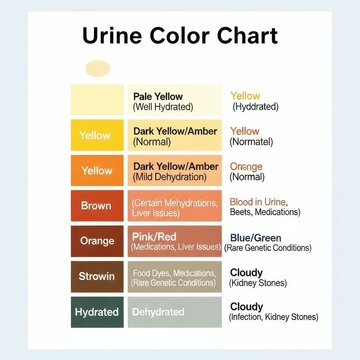
URINE COLOUR CHART
- 🟡 Pale yellow – Well hydrated
- 🟨 Yellow – Normal
- 🟧 Dark yellow – Mild dehydration
- 🟫 Amber/Brown – Significant dehydration or possible liver disease
- 🟥 Red/Pink – Blood, foods, or medications
- ⚫ Cola-colored – Possible muscle breakdown or liver disease
Common Symptoms
Depending on the underlying cause, dark urine may occur with:
- Strong-smelling urine
- Reduced urine output
- Increased thirst
- Burning during urination
- Fever
- Abdominal pain
- Back pain
- Yellowing of the skin or eyes
- Fatigue
- Nausea
What Causes Dark Urine?
Dehydration (Most Common Cause)
The most common reason for dark urine is dehydration.
When you don’t drink enough fluids, the kidneys conserve water by producing more concentrated urine.
You may also notice:
- Dry mouth
- Headache
- Fatigue
- Dizziness
- Increased thirst
- Muscle cramps
Drinking enough water usually returns urine to a pale yellow color within several hours.
Certain Foods
Some foods naturally change urine color.
Examples include:
- Beetroot
- Blackberries
- Rhubarb
- Fava beans (rarely)
These changes are temporary and harmless.
Vitamins and Supplements
Several supplements can darken urine.
Examples include:
Vitamin B2 (Riboflavin)
High-dose riboflavin often causes bright yellow or fluorescent urine.
This is harmless.
Vitamin B Complex
Some B vitamins may intensify urine color.
Vitamin C
Very high doses may occasionally deepen urine color because of increased concentration.
Medications
Many medications can change urine color.
Examples include:
Phenazopyridine
Used for urinary discomfort.
Produces bright orange urine.
Rifampicin (Rifampin)
An antibiotic that commonly causes:
- Orange urine
- Orange tears
- Orange sweat
Nitrofurantoin
May produce dark yellow or brown urine in some people.
Metronidazole
Occasionally causes reddish-brown urine.
Senna Laxatives
May darken urine in some individuals.
Liver Disease
Dark brown urine may occur when bilirubin enters the urine because the liver cannot process it normally.
Possible causes include:
- Hepatitis
- Cirrhosis
- Gallstones
- Bile duct obstruction
Other symptoms include:
- Yellow skin (jaundice)
- Yellow eyes
- Pale stools
- Itching
- Abdominal pain
Dark urine together with jaundice requires prompt medical evaluation.
Blood in the Urine (Hematuria)
Blood may cause urine to appear:
- Pink
- Red
- Brown
- Tea-colored
Possible causes include:
- Urinary tract infection
- Kidney stones
- Enlarged prostate
- Kidney disease
- Bladder cancer
- Kidney cancer
Blood in the urine should always be assessed by a healthcare professional.
Urinary Tract Infection (UTI)
UTIs commonly cause:
- Cloudy urine
- Dark urine
- Strong-smelling urine
- Burning during urination
- Frequent urination
- Pelvic pain
Fever or back pain may indicate a kidney infection.
Kidney Stones
Kidney stones may cause:
- Blood in the urine
- Dark urine
- Severe flank pain
- Nausea
- Vomiting
Pain is often sudden and severe.
Muscle Breakdown (Rhabdomyolysis)
Severe muscle injury can release myoglobin, turning urine dark brown or cola-colored.
Causes include:
- Crush injuries
- Extreme exercise
- Certain medications (especially statins in rare cases)
- Heat stroke
This is a medical emergency.
Rare Causes
Less common causes include:
- Glomerulonephritis
- Polycystic kidney disease
- Hemolytic anemia
- Porphyria
- Melanoma (very rare)
- Wilson’s disease
When Should You See a Doctor?
Seek medical advice if dark urine:
- Persists despite drinking enough fluids
- Is accompanied by pain
- Contains blood
- Occurs with fever
- Develops with jaundice
- Is associated with severe vomiting
- Appears cola-colored
- Occurs after intense exercise with severe muscle pain
Seek emergency care if you experience:
- Confusion
- Very little urine
- Severe abdominal pain
- Difficulty breathing
- Severe muscle weakness
How Is Dark Urine Diagnosed?
Your healthcare provider may recommend:
- Medical history
- Physical examination
- Medication review
Common tests include:
- Urinalysis
- Urine culture
- Complete blood count (CBC)
- Kidney function tests
- Liver function tests
- Bilirubin
- Blood glucose
- Creatine kinase (CK) if rhabdomyolysis is suspected
Imaging studies such as ultrasound or CT scans may be needed if kidney stones or urinary tract abnormalities are suspected.
How Can Dark Urine Be Treated?
Treatment depends on the underlying cause.
Possible approaches include:
- Increasing fluid intake for dehydration
- Antibiotics for bacterial UTIs
- Removing kidney stones if necessary
- Treating liver disease
- Adjusting medications when appropriate
- Managing diabetes
- Hospital treatment for severe dehydration or rhabdomyolysis
Supplements That May Help
Oral Rehydration Solutions
Useful after:
- Vomiting
- Diarrhea
- Heavy sweating
They replace both water and electrolytes.
Cranberry
Cranberry supplements may help reduce the risk of recurrent uncomplicated UTIs but do not treat active infections.
D-Mannose
Some evidence suggests D-mannose may help reduce recurrent UTIs in selected individuals.
Probiotics
Lactobacillus probiotics may help maintain urinary tract health in some women with recurrent UTIs.
Amazon Recommendations
Oral Rehydration Products
Cranberry Supplements
D-Mannose
Is dark yellow urine always dehydration?
No.
Although dehydration is the most common cause, dark urine may also result from medications, foods, liver disease, blood in the urine, or urinary tract infections.
Can vitamins make urine darker?
Yes.
Vitamin B2 (riboflavin) commonly causes bright yellow urine, while some other vitamin supplements may also affect urine color.
Can liver disease cause dark urine?
Yes.
Liver disease may cause dark brown urine because bilirubin passes into the urine.
Is dark urine a sign of kidney disease?
Sometimes.
Kidney disease, kidney stones, or blood in the urine may all cause dark urine and require medical evaluation.
When should I worry about dark urine?
Seek medical advice if dark urine:
- Persists despite drinking fluids
- Contains blood
- Occurs with fever
- Is accompanied by jaundice
- Causes severe pain
- Is cola-colored after intense exercise
How can I prevent dehydration?
- Drink enough water throughout the day.
- Increase fluid intake during hot weather and exercise.
- Replace fluids lost through vomiting or diarrhea.
- Eat water-rich fruits and vegetables.
Clinical Considerations
Dark urine is often a simple sign of dehydration, but persistent discoloration should not be dismissed. Liver disease, urinary tract infections, kidney stones, blood in the urine, and certain medications can all change urine color.
Careful evaluation of accompanying symptoms, medication use, and laboratory findings helps identify the underlying cause. Persistent, painful, or blood-stained urine should always be medically assessed.
Related Guides
- How Much Water Do You Really Need?
- Why Am I Always Thirsty?
- Why Do I Pee So Often?
- Why Are My Legs Cramping at Night? Causes, Deficiencies and Solutions
- UTI in Women: Symptoms, Causes and Treatment
- Why Am I Always Bloated Even When Eating Healthy? Causes, Digestion and Gut Health Explained
- Electrolytes: Functions and Deficiency Symptoms
References
- National Institute of Diabetes and Digestive and Kidney Diseases (NIDDK). Hematuria (Blood in the Urine).
- National Kidney Foundation. Urinalysis and Kidney Health.
- American Urological Association. Hematuria Guidelines.
- Mayo Clinic. Urine Color: Symptoms and Causes.
- Cleveland Clinic. Dark Urine: Causes and Treatment.
- American Liver Foundation. Signs and Symptoms of Liver Disease.
- Cochrane Database of Systematic Reviews. Cranberries for Preventing Urinary Tract Infections.
- World Health Organization (WHO). Oral Rehydration Therapy Guidelines.