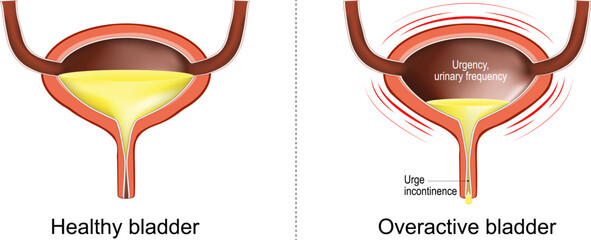
Why Do I Pee So Often? Causes of Frequent Urination in Men and Women
Needing to urinate frequently can be inconvenient, embarrassing, and disruptive to daily life and sleep. While drinking more fluids naturally increases urination, frequent trips to the bathroom may also signal an underlying medical condition.
Frequent urination, medically known as urinary frequency, affects both men and women. Common causes include urinary tract infections (UTIs), diabetes, overactive bladder, pregnancy, enlarged prostate, medications, and excessive caffeine or alcohol intake.
The good news is that many causes are treatable once the underlying problem is identified.
What Is Frequent Urination?
Most healthy adults urinate 4 to 8 times per day, although this varies depending on:
- Fluid intake
- Age
- Weather
- Physical activity
- Certain medications
Needing to urinate more than usual—especially if it interferes with daily activities or sleep—may warrant medical evaluation.
Common Symptoms
Frequent urination may occur with:
- Urinating every hour
- Waking several times at night to urinate (nocturia)
- Sudden urge to urinate
- Difficulty holding urine
- Passing only small amounts of urine
- Burning during urination
- Pelvic discomfort
- Increased thirst
- Blood in the urine
- Leakage of urine
Causes of Frequent Urination in Both Men and Women
Drinking Too Much Fluid
The simplest explanation is increased fluid intake.
Common contributors include:
- Water
- Coffee
- Tea
- Soft drinks
- Alcohol
If frequency only occurs after drinking large amounts of fluid, it is usually normal.
Caffeine
Caffeine stimulates the bladder and has a mild diuretic effect.
Sources include:
- Coffee
- Tea
- Energy drinks
- Cola drinks
- Pre-workout supplements
Reducing caffeine often improves symptoms.
Alcohol
Alcohol suppresses antidiuretic hormone (ADH), causing the kidneys to produce more urine.
Many people notice increased urination after drinking alcohol.
Diabetes Mellitus
One of the earliest signs of uncontrolled diabetes is frequent urination.
High blood sugar causes the kidneys to remove excess glucose through the urine, drawing water with it.
Other symptoms include:
- Excessive thirst
- Fatigue
- Blurred vision
- Increased hunger
- Unexplained weight loss
Urinary Tract Infection (UTI)
UTIs are among the most common causes of frequent urination, particularly in women.
Symptoms include:
- Burning during urination
- Frequent urge to urinate
- Passing small amounts of urine
- Lower abdominal pain
- Cloudy or foul-smelling urine
- Blood in the urine
Fever or back pain may indicate a kidney infection and requires prompt medical attention.
Overactive Bladder (OAB)
Overactive bladder occurs when the bladder muscle contracts unexpectedly.
Symptoms include:
- Sudden urge to urinate
- Frequent urination
- Nocturia
- Urge incontinence
The condition becomes more common with age but is not considered a normal part of aging.
Certain Medications
Several medications may increase urination.
Examples include:
Diuretics
- Furosemide
- Hydrochlorothiazide
- Indapamide
SGLT2 Inhibitors
Used for type 2 diabetes:
- Empagliflozin
- Dapagliflozin
- Canagliflozin
These medications increase glucose loss in the urine.
Lithium
Lithium may impair the kidneys’ ability to concentrate urine.
Pregnancy
As the uterus enlarges, it places pressure on the bladder.
Frequent urination is common during:
- The first trimester
- The third trimester
Burning or pain during urination during pregnancy should always be assessed to rule out a UTI.
Causes More Common in Women
Menopause
Reduced estrogen levels can weaken the tissues of the bladder and urethra.
Symptoms may include:
- Frequent urination
- Urgency
- Nocturia
- Recurrent UTIs
Pelvic Floor Weakness
Pregnancy, childbirth, obesity, and aging can weaken the pelvic floor muscles.
Symptoms include:
- Leakage with coughing or sneezing
- Frequent urination
- Feeling of pelvic pressure
Pelvic floor exercises (Kegel exercises) often help.
Interstitial Cystitis (Painful Bladder Syndrome)
A chronic bladder condition characterized by:
- Pelvic pain
- Frequent urination
- Urgency
- Pain relieved after urination
Unlike UTIs, urine cultures are usually negative.
Causes More Common in Men
Enlarged Prostate (Benign Prostatic Hyperplasia – BPH)
An enlarged prostate is one of the most common causes of urinary symptoms in men over 50.
Symptoms include:
- Frequent urination
- Weak urine stream
- Difficulty starting urination
- Dribbling
- Feeling that the bladder is not completely empty
- Nocturia
Prostatitis
Inflammation of the prostate may cause:
- Painful urination
- Frequent urination
- Pelvic pain
- Fever (in acute bacterial prostatitis)
Prostate Cancer
Early prostate cancer often causes no symptoms.
When symptoms occur, they may include:
- Frequent urination
- Weak urine flow
- Blood in the urine
- Difficulty urinating
These symptoms are more commonly caused by benign prostate enlargement, but medical evaluation is important.
Less Common Causes
Less common causes include:
- Kidney stones
- Bladder stones
- Bladder cancer
- Diabetes insipidus
- Neurological disorders (e.g., multiple sclerosis, Parkinson’s disease, spinal cord disorders)
- Anxiety
- Hypercalcemia (high calcium levels)
How Is Frequent Urination Diagnosed?
Your healthcare provider may recommend:
- Medical history
- Physical examination
- Medication review
- Bladder diary
Common investigations include:
- Urinalysis
- Urine culture
- Blood glucose
- HbA1c
- Kidney function tests
- PSA (when appropriate)
- Ultrasound of the bladder or prostate
- Post-void residual urine measurement
How Can Frequent Urination Be Treated?
Treatment depends on the underlying cause.
Reduce Bladder Irritants
Limiting the following may improve symptoms:
- Coffee
- Alcohol
- Energy drinks
- Carbonated beverages
- Artificial sweeteners
- Spicy foods (in some people)
Bladder Training
Gradually increasing the time between bathroom visits may improve bladder capacity.
Pelvic Floor Exercises
Pelvic floor strengthening is particularly effective for:
- Women after childbirth
- Stress urinary incontinence
- Some people with overactive bladder
Treat Underlying Conditions
Effective treatment may include:
- Antibiotics for UTIs
- Better blood sugar control for diabetes
- Medications for overactive bladder
- Treatment for enlarged prostate
- Adjusting medications when appropriate
Supplements That May Help
Cranberry
Cranberry products may help reduce the risk of recurrent uncomplicated UTIs in some women but are not a treatment for an active infection.
D-Mannose
Some studies suggest D-mannose may reduce recurrent UTIs, although evidence remains mixed.
Probiotics
Lactobacillus probiotics may support vaginal and urinary tract health in some women with recurrent UTIs.
Pumpkin Seed Extract
Some evidence suggests pumpkin seed extract may improve symptoms of overactive bladder, although larger studies are needed.
Saw Palmetto
Saw palmetto has been studied for benign prostatic hyperplasia (BPH), but results are inconsistent. Current clinical guidelines generally do not recommend it as a first-line treatment.
Amazon Recommendations
Best Cranberry Supplements
Best D-Mannose
Best Women’s Probiotics
Best Pumpkin Seed Supplements
Best Saw Palmetto
How many times should you pee each day?
Most adults urinate between 4 and 8 times per day, although normal frequency varies depending on fluid intake and individual factors.
Can anxiety make you pee more often?
Yes.
Stress and anxiety may increase bladder sensitivity and create a frequent urge to urinate, even when the bladder is not full.
Does drinking coffee make you urinate more?
Yes.
Caffeine stimulates the bladder and may increase both urinary frequency and urgency.
Is frequent urination always a sign of diabetes?
No.
While diabetes is an important cause, frequent urination may also result from UTIs/ urinary tract infections/, overactive bladder, pregnancy, enlarged prostate, medications, or increased fluid intake.
Why do I pee several times during the night?
Nocturia may result from:
-Enlarged prostate
-Overactive bladder
-Diabetes
-Heart failure
-Sleep apnea
-Drinking fluids late in the evening
-Certain medications
Can menopause cause frequent urination?
Yes.
Lower estrogen levels after menopause can affect the bladder and urinary tract, leading to urgency, frequency, and recurrent UTIs.
When should I see a doctor?
Seek medical advice if frequent urination:
- Persists for several days
- Is accompanied by burning or pain
- Occurs with blood in the urine
- Is associated with fever or back pain
- Is accompanied by excessive thirst or unexplained weight loss
- Interferes significantly with sleep or daily activities
Clinical Considerations
Frequent urination is a symptom rather than a disease. Although increased fluid intake is a common and harmless cause, persistent urinary frequency may indicate conditions such as diabetes, urinary tract infections, overactive bladder, enlarged prostate, or medication side effects.
A careful assessment of accompanying symptoms, medical history, and laboratory tests can usually identify the underlying cause and guide appropriate treatment.
Related Guides
- Why Am I Always Thirsty?
- Why Is My Urine Dark Yellow?
- UTI in Women: Symptoms, Causes and Treatment
- Why Do I Feel Worse After Drinking Coffee? Caffeine Sensitivity, Cortisol and Nervous System Effects Explained
- Overactive Bladder: Causes and Treatment
- Diabetes: Symptoms and Early Warning Signs
- Why Am I Craving Salt? Causes, Stress, Hydration and Mineral Balance Explained
References
- American Urological Association. Diagnosis and Treatment of Overactive Bladder.
- European Association of Urology. Guidelines on Non-Neurogenic Lower Urinary Tract Symptoms.
- National Institute of Diabetes and Digestive and Kidney Diseases (NIDDK). Urinary Frequency.
- American Diabetes Association. Standards of Care in Diabetes.
- National Institute for Health and Care Excellence (NICE). Lower Urinary Tract Symptoms in Men.
- American College of Obstetricians and Gynecologists (ACOG). Urinary Tract Infections in Women.
- Cochrane Database of Systematic Reviews. Cranberries for Preventing Urinary Tract Infections.
- Cochrane Database of Systematic Reviews. Interventions for Overactive Bladder.
- National Institutes of Health (NIH). Office of Dietary Supplements. Relevant dietary supplement fact sheets.