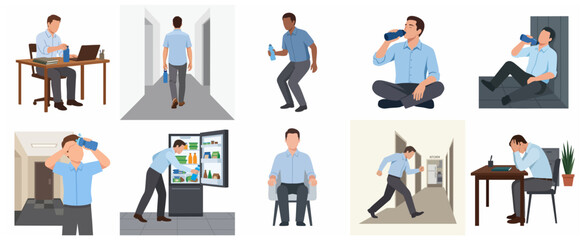
Why Am I Always Thirsty? Causes, Treatments and Science-Backed Solutions
Feeling thirsty after exercise or on a hot day is completely normal. However, if you constantly feel thirsty despite drinking plenty of water, your body may be signaling an underlying problem.
Persistent excessive thirst, medically known as polydipsia, can result from dehydration, high blood sugar, medications, electrolyte imbalances, kidney disorders, hormonal conditions, or even dry mouth.
This guide explains the most common causes of excessive thirst, when you should be concerned, and evidence-based ways to address it.
Common Symptoms
People experiencing excessive thirst may also notice:
- Drinking water constantly
- Dry mouth
- Dry lips
- Frequent urination
- Waking during the night to drink water
- Fatigue
- Headaches
- Dark-colored urine
- Dizziness
- Craving cold drinks
Why Am I Always Thirsty?
Dehydration (Most Common Cause)
The most common cause of excessive thirst is dehydration.
Your body loses water through:
- Sweating
- Urination
- Vomiting
- Diarrhea
- Fever
- Exercise
Even mild dehydration activates the thirst center in the brain.
Other symptoms include:
- Dark urine
- Dry mouth
- Headache
- Fatigue
- Dizziness
- Muscle cramps
Diabetes
One of the classic symptoms of diabetes is excessive thirst.
When blood glucose becomes too high, the kidneys remove excess sugar by producing more urine.
This causes:
- Frequent urination
- Fluid loss
- Persistent thirst
Other warning signs include:
- Frequent urination
- Fatigue
- Blurred vision
- Weight loss (particularly in type 1 diabetes)
- Increased hunger
- Slow wound healing
Persistent thirst accompanied by frequent urination should always be medically evaluated.
High Salt Intake
Eating large amounts of sodium increases the concentration of sodium in the bloodstream.
The brain responds by increasing thirst to restore normal fluid balance.
Common high-sodium foods include:
- Processed meats
- Fast food
- Ready meals
- Chips
- Salted snacks
Dry Mouth (Xerostomia)
Sometimes people feel thirsty because their mouth is dry rather than because they need more water.
Dry mouth may result from:
- Medications
- Mouth breathing
- Sjögren’s syndrome
- Diabetes
- Radiation therapy
- Dehydration
Medications
Many commonly used medications may increase thirst.
Examples include:
Diuretics (“Water Pills”)
- Furosemide
- Hydrochlorothiazide
- Indapamide
These medications increase urine production and may contribute to dehydration.
SGLT2 Inhibitors
Used to treat type 2 diabetes.
Examples:
- Empagliflozin
- Dapagliflozin
- Canagliflozin
These medications increase glucose excretion in the urine and may increase thirst.
Lithium
Lithium may affect the kidneys’ ability to concentrate urine, leading to increased thirst and urination.
Anticholinergic Medications
Examples include some:
- Antihistamines
- Antidepressants
- Bladder medications
These medications commonly cause dry mouth.
Excessive Sweating
People who:
- Exercise intensely
- Work outdoors
- Live in hot climates
lose more fluids through sweat and often require greater fluid intake.
Kidney Disease
The kidneys regulate the body’s fluid balance.
Some kidney disorders interfere with this process, leading to:
- Increased thirst
- Frequent urination
- Swelling
- Fatigue
Diabetes Insipidus (Rare)
Despite its name, diabetes insipidus is not related to diabetes mellitus.
It occurs when the body cannot properly regulate water balance because of problems with antidiuretic hormone (ADH) or the kidneys’ response to it.
Symptoms include:
- Extreme thirst
- Passing very large amounts of dilute urine
- Waking multiple times at night to drink or urinate
Hypercalcemia (High Calcium Levels)
High blood calcium may cause:
- Excessive thirst
- Frequent urination
- Constipation
- Nausea
- Fatigue
Possible causes include hyperparathyroidism, certain cancers, and excessive calcium or vitamin D intake.
Sjögren’s Syndrome
This autoimmune disease attacks the glands that produce saliva and tears.
Symptoms include:
- Dry mouth
- Dry eyes
- Difficulty swallowing dry foods
- Fatigue
- Joint pain
Many people mistake dry mouth for excessive thirst.
Less Common Causes
Less frequently, excessive thirst may be associated with:
- Liver disease
- Adrenal disorders
- Uncontrolled vomiting or diarrhea
- Severe infections
- Certain psychiatric conditions (primary polydipsia)
How Is Excessive Thirst Diagnosed?
Your healthcare provider may recommend:
- Medical history
- Physical examination
- Medication review
Possible laboratory tests include:
- Blood glucose
- HbA1c
- Electrolytes
- Kidney function tests
- Calcium
- TSH
- Urinalysis
Additional testing may be needed if diabetes insipidus or other endocrine disorders are suspected.
How Can I Reduce Excessive Thirst?
Drink Enough Fluids
Most healthy adults should drink enough fluids to maintain pale yellow urine, though individual needs vary depending on climate, activity level, health conditions, and medications.
Limit Sugary Drinks
Soft drinks and sweetened beverages may worsen blood sugar control and are generally less effective than water for maintaining hydration.
Reduce Excess Salt
Limiting highly processed foods may reduce thirst caused by excessive sodium intake.
Manage Diabetes
Keeping blood glucose within target ranges often improves excessive thirst.
Treat Dry Mouth
Helpful strategies include:
- Sugar-free chewing gum
- Sugar-free lozenges
- Frequent sips of water
- Saliva substitutes
- Good oral hygiene
Supplements and Products That May Help
Electrolyte Solutions
Oral electrolyte solutions may be helpful after:
- Heavy sweating
- Vomiting
- Diarrhea
- Prolonged exercise
For everyday hydration, plain water is usually sufficient.
Zinc (When Deficient)
Zinc deficiency has been associated with altered taste and, in some cases, reduced saliva production.
Supplementation should be considered only when deficiency is confirmed or strongly suspected.
Omega-3 Fatty Acids
Some studies suggest omega-3 supplements may help improve symptoms of dry eye disease in selected individuals, which can be relevant in conditions such as Sjögren’s syndrome.
Saliva Substitute Products
Individuals with persistent dry mouth may benefit from:
- Saliva gels
- Moisturizing mouth sprays
- Saliva replacement rinses
These relieve symptoms but do not treat the underlying cause.
Amazon Recommendations
Best Electrolyte Products
- Liquid I.V. Hydration Multiplier
- LMNT Electrolyte Drink Mix
- DripDrop ORS
- Nuun Sport Electrolyte Tablets
Best Saliva Support Products
Best Zinc Supplements
Why am I thirsty even after drinking water?
Persistent thirst despite adequate fluid intake may be caused by diabetes, dry mouth, medications, high salt intake, kidney disorders, or other medical conditions.
Is constant thirst a sign of diabetes?
It can be.
Excessive thirst combined with frequent urination, fatigue, or unexplained weight loss should be evaluated promptly.
Can medications make me thirsty?
Yes.
Diuretics, SGLT2 inhibitors, lithium, and some medications that cause dry mouth are common examples.
Can dehydration cause constant thirst?
Yes.
Dehydration is the most common cause of excessive thirst and usually improves with adequate fluid replacement.
Why do I wake up thirsty at night?
Possible causes include mouth breathing, dry mouth, high blood sugar, dehydration, or sleeping in a warm environment.
Does drinking more water always solve the problem?
No.
If thirst is caused by diabetes, kidney disease, medications, or another medical condition, treating the underlying cause is more important than simply increasing water intake.
When should I see a doctor?
Seek medical advice if excessive thirst:
- Persists for several days
- Is accompanied by frequent urination
- Occurs with unexplained weight loss
- Is associated with confusion, vomiting, or severe weakness
- Develops suddenly without an obvious cause
Clinical Considerations
Excessive thirst is often a normal response to dehydration or hot weather, but persistent thirst should not be ignored. Diabetes, medication side effects, kidney disease, electrolyte disorders, and dry mouth are among the most important causes to consider.
Identifying and treating the underlying cause is more effective than simply drinking larger amounts of water. When excessive thirst is accompanied by frequent urination, unexplained weight loss, or other concerning symptoms, prompt medical evaluation is recommended.
Related Guides
- Why Do I Pee So Often?
- Why Is My Mouth Dry All the Time?
- Why Is My Urine Dark Yellow?
- Why Am I Always Hungry?
- Why Am I Always Tired?
- Why Do My Legs Cramp at Night?
- Diabetes: Symptoms and Early Warning Signs
- Electrolytes: Functions, Deficiency Symptoms and Supplements
- Zinc: Benefits, Dosage and Side Effects
References
- American Diabetes Association. Standards of Care in Diabetes.
- National Institute of Diabetes and Digestive and Kidney Diseases (NIDDK). Symptoms of Diabetes.
- National Institutes of Health (NIH). Office of Dietary Supplements – Zinc Fact Sheet.
- Mayo Clinic. Excessive Thirst (Polydipsia).
- Cleveland Clinic. Polydipsia: Causes and Treatment.
- National Kidney Foundation. Fluid Balance and Kidney Function.
- American Dental Association. Management of Xerostomia.
- European Society of Endocrinology. Clinical Practice Guidelines for Diabetes Insipidus.
- PubMed. Reviews on oral rehydration therapy, xerostomia, and electrolyte balance.