
Carnitine vs Creatine: What’s the Difference? Benefits, Uses, Dosage and Which One Should You Choose?
Carnitine and creatine are among the most popular supplements for energy, exercise performance, and healthy aging. Because their names sound similar, many people assume they work in the same way.
In reality, they have very different functions.
Creatine primarily supports rapid energy production for muscles and high-intensity exercise, while L-carnitine helps transport fatty acids into the mitochondria, where they are converted into energy.
Understanding these differences can help you choose the supplement that best matches your health goals.
Carnitine vs Creatine: At a Glance
| Feature | Creatine | L-Carnitine |
|---|---|---|
| Main role | Regenerates ATP for quick energy | Transports fatty acids into mitochondria |
| Best for | Muscle strength and power | Fat metabolism and cellular energy |
| Exercise | High-intensity exercise | Endurance and recovery |
| Muscle growth | Excellent evidence | Limited evidence |
| Healthy aging | Strong evidence | Moderate evidence |
| Brain health | Emerging evidence | Strongest evidence for Acetyl-L-Carnitine |
| Weight loss | Indirect | Limited support |
| Naturally found in | Meat and fish | Meat and dairy |
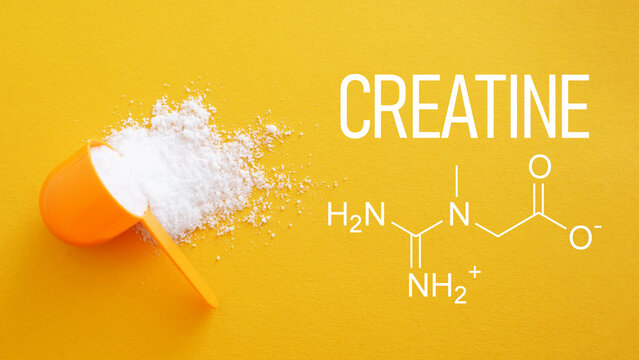
What Is Creatine?
Creatine is a naturally occurring compound made from the amino acids glycine, arginine, and methionine.
About 95% of the body’s creatine is stored in skeletal muscles.
Its main role is to regenerate adenosine triphosphate (ATP), the body’s immediate source of energy during short, intense activities.
Examples include:
- Weight lifting
- Sprinting
- Climbing stairs
- High-intensity exercise
Creatine is one of the most extensively studied sports supplements and has consistently been shown to improve strength, power, and lean muscle mass when combined with resistance training.

What Is L-Carnitine?
L-carnitine is an amino acid-derived compound that transports long-chain fatty acids into mitochondria, where they are converted into energy.
Unlike creatine, L-carnitine does not directly increase muscle power.
Instead, it supports:
- Fat metabolism
- Cellular energy production
- Muscle recovery
- Heart function
- Brain function
The body produces L-carnitine in the liver and kidneys, but it is also obtained from foods such as:
- Beef
- Lamb
- Pork
- Dairy products
How Do They Work?
Creatine
Creatine increases phosphocreatine stores inside muscle cells.
Phosphocreatine rapidly regenerates ATP, allowing muscles to perform repeated high-intensity contractions.
This explains why creatine improves:
- Strength
- Explosive power
- Training performance
- Recovery between sets
L-Carnitine
L-carnitine acts as a transporter.
It carries fatty acids into mitochondria, where they are converted into energy through fatty acid oxidation.
This process is especially important during:
- Prolonged exercise
- Daily physical activity
- Healthy aging
Which One Is Better for Muscle Loss?
For preventing age-related muscle loss (sarcopenia), creatine has stronger scientific evidence.
Studies consistently show that creatine combined with resistance exercise can improve:
- Muscle strength
- Lean muscle mass
- Physical performance
L-carnitine may support muscle recovery and reduce fatigue, but it is generally less effective than creatine for increasing muscle mass.
Which One Is Better for Fatigue?
The answer depends on the cause.
Creatine may be more helpful for:
- Muscle fatigue
- High-intensity exercise
- Strength training
- Sarcopenia
L-Carnitine may be more helpful for:
- General fatigue
- Older adults
- Chronic fatigue related to certain medical conditions
- Low energy associated with mitochondrial function
Which One Is Better for Weight Loss?
Neither supplement is a “fat burner.”
However:
Creatine
May indirectly support weight management by improving exercise performance and preserving lean muscle mass.
L-Carnitine
Supports fat metabolism by transporting fatty acids into mitochondria.
Although L-carnitine is often marketed for weight loss, research suggests that any effect on body weight is generally modest and should not be considered a substitute for diet and exercise.
Which One Is Better for Brain Health?
Acetyl-L-carnitine (ALCAR) has been studied more extensively for:
- Cognitive function
- Mental fatigue
- Healthy aging
- Peripheral nerve health
Creatine is also being investigated for its potential role in supporting cognitive performance, particularly during sleep deprivation or periods of increased mental demand, but more research is needed.
Best Supplements:
Creatine Monohydrate
The most researched form of creatine.
Benefits include:
- Increased strength
- Lean muscle support
- Exercise performance
- Healthy aging
Recommended dosage:
3–5 grams daily
Acetyl-L-Carnitine (ALCAR)
Often preferred for:
- Brain health
- Mental fatigue
- Cognitive support
Typical dosage:
500–2,000 mg daily
L-Carnitine L-Tartrate
Often used by physically active individuals.
May support:
- Exercise recovery
- Muscle recovery
Typical dosage:
1–2 grams daily
Can You Take Creatine and L-Carnitine Together?
Yes.
Because they work through different mechanisms, creatine and L-carnitine can generally be taken together.
Creatine primarily supports ATP regeneration, while L-carnitine supports fatty acid transport and mitochondrial energy production.
For many individuals, the combination may provide complementary benefits for exercise performance, muscle health, and energy metabolism.
Who May Benefit Most?
Creatine
- Older adults
- Athletes
- Vegetarians
- Individuals performing resistance training
- People concerned about muscle loss
L-Carnitine
- Older adults
- Vegetarians
- Individuals with low dietary carnitine intake
- Those interested in cognitive support
- People seeking additional support for energy metabolism
Evidence Summary
Creatine has the strongest evidence for improving muscle strength, lean muscle mass, and physical performance, particularly when combined with resistance exercise.
L-carnitine has stronger evidence for supporting fatty acid metabolism, certain aspects of healthy aging, and cognitive function when used as acetyl-L-carnitine.
Although both supplements support energy metabolism, they work through different biological pathways and are not interchangeable.
Which is better: creatine or L-carnitine?
Neither is universally better. The choice depends on your goals. Creatine is generally preferred for muscle strength and preventing age-related muscle loss, while L-carnitine may be more appropriate for supporting fat metabolism, mitochondrial function, and cognitive health.
Can I take creatine and L-carnitine together?
Yes. Because they work differently, many people use them together as part of a balanced nutrition and exercise program.
Which supplement is better for people over 50?
Creatine has stronger evidence for preserving muscle mass and strength, while acetyl-L-carnitine may provide additional support for cognitive function and energy metabolism.
Does L-carnitine burn fat?
L-carnitine helps transport fatty acids into mitochondria for energy production, but its effect on weight loss appears modest. It should not be considered a replacement for healthy eating and regular physical activity.
Does creatine cause weight gain?
Creatine may increase body weight slightly during the first few weeks due to increased water stored within muscle cells. This is different from gaining body fat.
Are these supplements safe?
For most healthy adults, creatine monohydrate and L-carnitine are considered safe when used at recommended dosages. Individuals with kidney disease, significant liver disease, or other chronic medical conditions should consult a healthcare professional before starting supplementation.
Clinical Considerations
Although creatine and L-carnitine have similar names, they perform different roles in the body.
Creatine primarily supports rapid energy production and muscle performance, while L-carnitine facilitates fatty acid transport into mitochondria for energy production.
Choosing the right supplement depends on individual goals, diet, activity level, and overall health. Supplements should complement, not replace, a balanced diet, regular exercise, and appropriate medical care.
Related Guides
- Creatine: Benefits, Dosage, Side Effects and Interactions
- L-Carnitine: Benefits, Dosage and Side Effects
- Why Am I Losing Muscle as I Get Older?
- Best Supplements for Energy
- Coenzyme Q10: Benefits, Dosage and Side Effects
- Why Am I Always Tired?
- Why Am I So Forgetful Lately?
- Vitamin D Deficiency: Symptoms and Causes
- Best Supplements for Weight Loss (2026): What Works and What to Avoid
References
- Kreider RB, et al. International Society of Sports Nutrition Position Stand: Creatine Supplementation. Journal of the International Society of Sports Nutrition. 2022.
- Candow DG, et al. Current Evidence and Possible Future Applications of Creatine Supplementation in Older Adults. Nutrients. 2021.
- National Institutes of Health (NIH). Office of Dietary Supplements.
- Malaguarnera M. Carnitine Derivatives in Clinical Nutrition. Clinical Nutrition.
- Flanagan JL, et al. Role of Carnitine in Disease. Nutrition & Metabolism.
- PubMed. Acetyl-L-Carnitine and Cognitive Function Reviews.
- European Society for Clinical Nutrition and Metabolism (ESPEN). Nutrition in Healthy Aging Guidelines.