L-Carnitine: Benefits, Dosage, Side Effects, Interactions and Best Forms (Science-Based Guide)
L-carnitine is one of the most widely used supplements for energy production, exercise performance, healthy aging, and cognitive support. Although the body naturally produces L-carnitine, certain individuals—including older adults, vegetarians, athletes, and people with specific medical conditions—may benefit from additional intake.
Unlike stimulants that temporarily increase energy, L-carnitine helps the body produce energy naturally by transporting fatty acids into the mitochondria, where they are converted into ATP (adenosine triphosphate), the body’s primary energy source.
This evidence-based guide explains how L-carnitine works, its different forms, potential benefits, dosage recommendations, side effects, medication interactions, and who may benefit most from supplementation.
What Is L-Carnitine?
L-carnitine is a vitamin-like compound synthesized primarily from the amino acids lysine and methionine.
The body produces L-carnitine mainly in the:
- Liver
- Kidneys
It is then transported to tissues with high energy demands, including:
- Skeletal muscles
- Heart
- Brain
Approximately 95% of the body’s L-carnitine is stored in skeletal muscles.
Dietary sources include:
- Beef
- Lamb
- Pork
- Dairy products
- Fish
People following vegetarian or vegan diets generally consume less dietary carnitine.
How Does L-Carnitine Work?
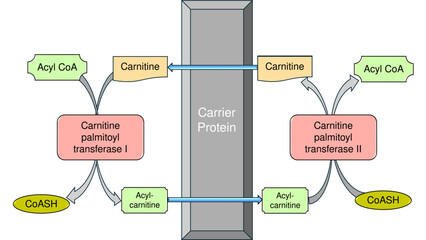
L-carnitine acts as a transporter.
Its primary role is to carry long-chain fatty acids across the mitochondrial membrane, allowing them to be converted into energy through beta-oxidation.
Without adequate L-carnitine:
- Fatty acids cannot efficiently enter mitochondria.
- Fat cannot be used efficiently as an energy source.
- Cellular energy production may become less efficient.
L-carnitine also helps remove potentially harmful metabolic by-products from mitochondria, supporting normal cellular function.
Why Is L-Carnitine Important?
L-carnitine is particularly important in organs that require large amounts of energy, including:
- Heart
- Skeletal muscles
- Brain
For this reason, researchers have investigated its role in:
- Exercise performance
- Muscle recovery
- Healthy aging
- Cognitive function
- Cardiovascular health
- Fatigue
Carnitine Forms: Which One Is Different?
| Form | Also called | Main role / area of interest | Best known for | Practical choice |
|---|---|---|---|---|
| L-Carnitine | Levocarnitine | Helps transport long-chain fatty acids into mitochondria for energy production | General carnitine supplementation, energy metabolism, exercise research | Best general-purpose form |
| Acetyl-L-Carnitine (ALCAR) | Acetylcarnitine | More closely associated with tissues including the nervous system | Brain/nerve function, cognitive and neurological research | Consider when the goal is brain/nerve support |
| L-Carnitine L-Tartrate (LCLT) | Carnitine tartrate | L-carnitine combined with tartaric acid | Exercise and recovery research | Popular for sports/exercise |
| Propionyl-L-Carnitine (PLC) | Propionylcarnitine | Carnitine derivative studied particularly in vascular and muscle metabolism | Peripheral arterial disease and walking-related leg symptoms | More specialized; not usually the first choice for general supplementation |
| Glycine Propionyl-L-Carnitine (GPLC) | Glycine propionylcarnitine | Propionyl-L-carnitine combined with glycine | Exercise/performance research | Specialized sports formulation |
| Acetyl-L-Carnitine HCl | ALCAR hydrochloride | Same active carnitine form, supplied as a hydrochloride salt | Brain/nerve supplementation | A formulation of ALCAR, not a completely different type of carnitine |
The important point is that L-carnitine, ALCAR and PLC are biologically related and can be converted/interchanged within the body’s carnitine pool; they are not simply six completely unrelated supplements.
A simpler way to remember them
L-Carnitine → general energy/fatty-acid metabolism
Acetyl-L-Carnitine → brain & nerves
L-Carnitine L-Tartrate → exercise/recovery
Propionyl-L-Carnitine → circulation/vascular & specialized muscle applications
There is research supporting these distinctions, but the evidence is not strong enough to say that each form is universally “better” than the others. For example, NIH notes that the two main forms commonly found in dietary supplements are L-carnitine and acetyl-L-carnitine, while propionyl-L-carnitine has been studied for peripheral arterial disease with mixed findings.
Different Forms of L-Carnitine
Not all carnitine supplements are the same.
Different forms have been studied for different purposes.
L-Carnitine
The standard form.
Most commonly used for:
- General carnitine supplementation
- Fat metabolism
- Energy production
Acetyl-L-Carnitine (ALCAR)
Acetyl-L-carnitine crosses the blood-brain barrier more efficiently than standard L-carnitine.
Most commonly used for:
- Brain health
- Memory
- Mental fatigue
- Healthy aging
- Peripheral nerve support
L-Carnitine L-Tartrate
Rapidly absorbed.
Often used in sports nutrition for:
- Exercise recovery
- Muscle soreness
- Physical performance
Propionyl-L-Carnitine
Primarily studied for:
- Circulation
- Peripheral artery disease
- Cardiovascular health
Evidence-Based Benefits of L-Carnitine
Supports Energy Production
Because L-carnitine helps transport fatty acids into mitochondria, it plays an essential role in cellular energy metabolism.
Unlike caffeine, L-carnitine does not stimulate the nervous system.
Instead, it supports the body’s natural ability to generate energy.
May Help Reduce Fatigue
Several studies suggest L-carnitine may improve fatigue in selected populations, including:
- Older adults
- Individuals with chronic fatigue associated with certain medical conditions
- People recovering from illness
Benefits appear greatest when a deficiency or increased requirement exists.
Exercise Performance and Recovery
L-carnitine has been studied for:
- Reduced muscle soreness
- Improved recovery
- Reduced exercise-induced muscle damage
Evidence for improving athletic performance is mixed, but some studies suggest benefits for recovery rather than peak performance.
Healthy Aging
Natural L-carnitine production and tissue levels may decline with age.
Research suggests supplementation may support:
- Physical function
- Energy metabolism
- Muscle recovery
particularly in older adults.
Brain Health
Acetyl-L-carnitine has been investigated for:
- Memory
- Cognitive function
- Mental fatigue
- Age-related cognitive decline
Although results vary, several studies suggest modest benefits in selected individuals.
Peripheral Nerve Health
Acetyl-L-carnitine has also been studied for supporting peripheral nerve function and may be beneficial in some forms of neuropathy.
Heart Health
Because the heart relies heavily on fatty acids for energy, L-carnitine has been studied in various cardiovascular conditions.
Research suggests potential benefits in selected patients under medical supervision, but supplementation should not replace standard cardiovascular treatment.
Does L-Carnitine Help with Weight Loss?
L-carnitine is often marketed as a fat-burning supplement.
Although it plays an important role in fat metabolism, research suggests that its effects on body weight are generally modest.
L-carnitine should not be considered a substitute for:
- Healthy eating
- Physical activity
- Adequate sleep
It may be most beneficial in individuals with low carnitine status or increased energy requirements.
L-Carnitine and Muscle Health
Unlike creatine, L-carnitine does not directly increase muscle strength.
However, it may support:
- Muscle recovery
- Reduced muscle soreness
- Healthy aging
- Physical function
Individuals concerned about sarcopenia may benefit more from combining:
- Resistance training
- Adequate protein intake
- Creatine
while using L-carnitine as a complementary supplement rather than a replacement.
Who May Benefit from L-Carnitine?
Who Is Most Likely to Have Low L-Carnitine Levels?
Although the body naturally produces L-carnitine, certain individuals may have lower levels or increased requirements.
Vegetarians and Vegans
The richest dietary sources of L-carnitine are animal foods such as beef, lamb, pork, fish, and dairy products.
People following vegetarian or vegan diets generally consume much smaller amounts of dietary carnitine. However, healthy individuals often compensate by increasing the body’s own production of L-carnitine. Supplementation is therefore not routinely necessary but may be considered in selected individuals with fatigue, increased physical demands, or low dietary intake.
Older Adults
Natural production of L-carnitine and mitochondrial function may decline with age.
Older adults may benefit from supplementation, particularly when combined with adequate protein intake and regular resistance exercise to support healthy aging and physical function.
Individuals with Chronic Kidney Disease
People receiving dialysis may lose significant amounts of L-carnitine during treatment.
In some cases, healthcare professionals may recommend L-carnitine supplementation to help manage symptoms such as muscle weakness or fatigue.
Individuals Taking Certain Medications
Some medications may reduce L-carnitine levels or increase the risk of deficiency.
Examples include:
- Valproic acid
- Certain antibiotics that contain pivalic acid (where available)
- Some chemotherapy treatments
Individuals taking these medications should discuss supplementation with their healthcare provider if deficiency is suspected.
People with Rare Genetic Disorders
Primary carnitine deficiency is a rare inherited disorder in which the body cannot transport or utilize L-carnitine properly.
These individuals require specialist medical care and prescribed L-carnitine treatment.
Evidence Summary
L-carnitine plays a central role in mitochondrial energy production by transporting long-chain fatty acids into mitochondria.
The strongest evidence supports its role in treating primary and secondary carnitine deficiency. Research also suggests potential benefits for healthy aging, selected fatigue conditions, exercise recovery, and cognitive support, particularly with acetyl-L-carnitine.
However, its effects on weight loss and athletic performance are generally modest, and benefits appear greatest when supplementation addresses an underlying deficiency or increased physiological demand.
L-Carnitine Dosage, Side Effects, Interactions and Safety
Recommended Dosage
The optimal dose depends on the type of L-carnitine and the reason for supplementation.
General L-Carnitine
Common dosage:
500–2,000 mg daily
Often used for:
- General energy support
- Fat metabolism
- Healthy aging
Acetyl-L-Carnitine (ALCAR)
Common dosage:
500–2,000 mg daily
Often divided into one or two doses.
Most commonly used for:
- Brain health
- Memory
- Mental fatigue
- Healthy aging
- Peripheral nerve support
L-Carnitine L-Tartrate
Typical dosage:
1,000–2,000 mg daily
Most commonly used for:
- Exercise recovery
- Muscle recovery
- Physical performance
Propionyl-L-Carnitine
Typical dosage:
500–2,000 mg daily
Primarily studied for:
- Circulation
- Peripheral artery disease
- Cardiovascular support
When Should L-Carnitine Be Taken?
L-carnitine may be taken:
- With meals
- Before exercise
- Divided into two daily doses
Taking it with food may improve gastrointestinal tolerance.
Individuals using L-carnitine for exercise often take it approximately 30–60 minutes before training.
Can You Take L-Carnitine Every Day?
Yes.
Clinical studies have evaluated daily supplementation for several months.
Most healthy adults tolerate recommended doses well.
Long-term supplementation should always be discussed with a healthcare professional, particularly in individuals with chronic medical conditions.
Side Effects
L-carnitine is generally well tolerated.
Possible side effects include:
- Nausea
- Stomach discomfort
- Abdominal cramps
- Diarrhea
- Heartburn
These effects are usually mild and may improve when taken with food.
Fishy Body Odor
One of the more unusual side effects is a fishy body odor.
This occurs because intestinal bacteria convert L-carnitine into trimethylamine (TMA), which has a characteristic fish-like smell.
Reducing the dose or discontinuing supplementation usually resolves this effect.
Can L-Carnitine Increase TMAO Levels?
Some studies suggest that intestinal bacteria can convert L-carnitine into trimethylamine (TMA), which is then converted by the liver into trimethylamine N-oxide (TMAO). Elevated TMAO levels have been associated with cardiovascular disease in observational studies. However, the relationship remains complex and is not considered proof that L-carnitine supplements cause heart disease. Factors such as overall diet, gut microbiome composition, kidney function, and existing cardiovascular risk appear to play important roles. Current evidence does not support avoiding L-carnitine supplementation in healthy individuals when used at recommended doses, but people with cardiovascular disease should discuss supplementation with their healthcare provider.
Medication Interactions
Although L-carnitine is generally considered safe, several interactions should be considered.
Warfarin
Some reports suggest L-carnitine may enhance the effects of warfarin.
Individuals taking warfarin should consult their healthcare provider before starting supplementation, as closer INR monitoring may be required.
Thyroid Hormone
High doses of L-carnitine may reduce the activity of thyroid hormones within cells.
Although this has been investigated as a potential therapeutic effect in hyperthyroidism, individuals taking levothyroxine or other thyroid medications should discuss supplementation with their healthcare provider.
Diabetes Medications
L-carnitine may improve glucose metabolism in some individuals.
People taking:
- Insulin
- Metformin
- Sulfonylureas
- SGLT2 inhibitors
- GLP-1 receptor agonists
should continue to monitor blood glucose as advised by their healthcare provider, particularly when beginning supplementation.
Anticoagulants and Antiplatelet Medications
No major interaction has been consistently demonstrated.
However, individuals taking medications such as:
- Warfarin
- Apixaban
- Rivaroxaban
- Dabigatran
- Clopidogrel
should inform their healthcare professional before starting any new supplement.
Who Should Be Cautious?
Medical advice is recommended before taking L-carnitine if you have:
- Kidney disease
- Severe liver disease
- Epilepsy or seizure disorders
- Thyroid disorders
- Pregnancy
- Breastfeeding
Food Sources of L-Carnitine
Natural dietary sources include:
- Beef
- Lamb
- Pork
- Fish
- Chicken
- Milk
- Cheese
Vegetarians and vegans generally consume significantly less dietary carnitine.
Best Combination Supplements
Combination products may include:
L-Carnitine + Acetyl-L-Carnitine
Designed to support:
- Physical energy
- Cognitive function
L-Carnitine + Coenzyme Q10
Often used for:
- Healthy aging
- Cellular energy production
- Heart health
L-Carnitine + Alpha-Lipoic Acid (ALA)
Frequently marketed for:
- Nerve health
- Healthy aging
- Antioxidant support
L-Carnitine + B-Complex Vitamins
Supports:
- Energy metabolism
- Nervous system function
L-Carnitine + Creatine
Useful for individuals interested in:
- Muscle performance
- Exercise recovery
- Healthy aging
These supplements work through different mechanisms and may complement one another.
What is the best form of L-carnitine?
The best form depends on your goal.
General energy: L-carnitine
Brain health: Acetyl-L-carnitine
Exercise recovery: L-carnitine L-tartrate
Circulation: Propionyl-L-carnitine
Does L-carnitine increase energy?
L-carnitine supports the body’s natural production of energy within mitochondria.
Unlike caffeine, it is not a stimulant and does not provide an immediate energy boost.
Is L-carnitine good for older adults?
Research suggests L-carnitine may support energy metabolism, physical function, and healthy aging, particularly in older adults with reduced dietary intake or increased physiological needs.
Does L-carnitine build muscle?
L-carnitine is not primarily a muscle-building supplement.
Creatine has stronger evidence for increasing muscle strength and lean muscle mass.
Can I take L-carnitine with creatine?
Yes.
Because they work through different biological pathways, they are often used together by physically active individuals and older adults.
Does L-carnitine help with weight loss?
Research suggests any effect on weight loss is generally modest.
Healthy eating and regular physical activity remain the most effective strategies for long-term weight management.
Can vegetarians benefit from L-carnitine?
Possibly.
Vegetarians and vegans typically consume less dietary carnitine because the richest sources are animal foods.
Is L-carnitine safe?
For most healthy adults, L-carnitine is considered safe when used at recommended dosages.
Clinical Considerations
L-carnitine plays an essential role in cellular energy production by transporting fatty acids into mitochondria.
Although supplementation may benefit selected individuals, particularly older adults and those with increased physiological needs, it should not be viewed as a substitute for a balanced diet, regular physical activity, or appropriate medical treatment.
Individuals taking prescription medications or living with chronic medical conditions should consult a healthcare professional before beginning supplementation.
Related Guides
- Carnitine vs Creatine: What’s the Difference?
- Creatine: Benefits, Dosage, Side Effects and Interactions
- Coenzyme Q10: Benefits, Dosage, Side Effects and Interactions
- Alpha-Lipoic Acid (ALA): Benefits and Uses
- Best Supplements for Energy
- Why Am I Losing Muscle as I Get Older?
- Why Am I So Forgetful Lately?
- Why Am I Always Tired?
- Vitamins for Low Energy in Women: What to Take for Fatigue & Weakness
- 👩 Women’s Health
References
- National Institutes of Health (NIH). Office of Dietary Supplements.
- Flanagan JL, et al. Role of Carnitine in Disease. Nutrition & Metabolism.
- Malaguarnera M. Carnitine Derivatives in Clinical Nutrition. Clinical Nutrition.
- PubMed. Acetyl-L-Carnitine and Cognitive Function: Systematic Reviews.
- PubMed. L-Carnitine Supplementation and Exercise Recovery.
- European Society for Clinical Nutrition and Metabolism (ESPEN) Guidelines.
- International Society of Sports Nutrition Position Stand on Creatine Supplementation.
- Mayo Clinic. L-Carnitine Overview.
- Cleveland Clinic. L-Carnitine: Uses and Safety.