Zinc Deficiency Symptoms: Signs Your Body May Be Low in Zinc

What Is Zinc?
Zinc is an essential trace mineral involved in hundreds of biological processes. It plays a critical role in immune function, wound healing, hormone regulation, metabolism, and cell growth.
Because the body cannot store large amounts of zinc, it must be obtained regularly through diet or supplementation.
Low zinc intake or poor absorption may lead to zinc deficiency, which can affect many systems in the body.
Common Zinc Deficiency Symptoms
Zinc deficiency can develop gradually and produce a variety of symptoms.
Frequent infections
Zinc supports immune cell function. Low zinc levels can weaken immune defenses, leading to:
- frequent colds
- slow recovery from illness
- increased infections
Hair loss or thinning hair
Zinc supports hair follicle health and protein synthesis. Deficiency may contribute to:
- hair thinning
- excessive shedding
- weakened hair strands
People experiencing hair loss may benefit from understanding other causes such as iron deficiency or vitamin deficiencies.
Slow wound healing
Zinc plays a key role in tissue repair and skin regeneration.
Low levels may cause:
- wounds that heal slowly
- persistent skin irritation
- poor recovery after injury
Loss of taste or smell
Zinc is required for proper function of taste and smell receptors.
Deficiency may cause:
- reduced taste sensation
- altered sense of smell
- decreased appetite
Skin problems
Zinc deficiency is associated with several skin issues:
- acne
- dermatitis
- dry or irritated skin
Fatigue and low energy
Although fatigue has many causes, nutrient deficiencies may contribute. Low zinc levels may affect metabolic processes and hormone balance.
If fatigue is persistent, it may also be related to other deficiencies such as magnesium deficiency or vitamin D deficiency.
Who Is at Risk of Zinc Deficiency?
Certain groups have a higher risk of inadequate zinc intake.
Vegetarians and vegans
Plant foods contain compounds called phytates that can reduce zinc absorption.
Older adults
Absorption may decline with age, increasing deficiency risk.
People with digestive disorders
Conditions such as:
- Crohn’s disease
- celiac disease
- chronic diarrhea
can impair nutrient absorption.
Best Food Sources of Zinc
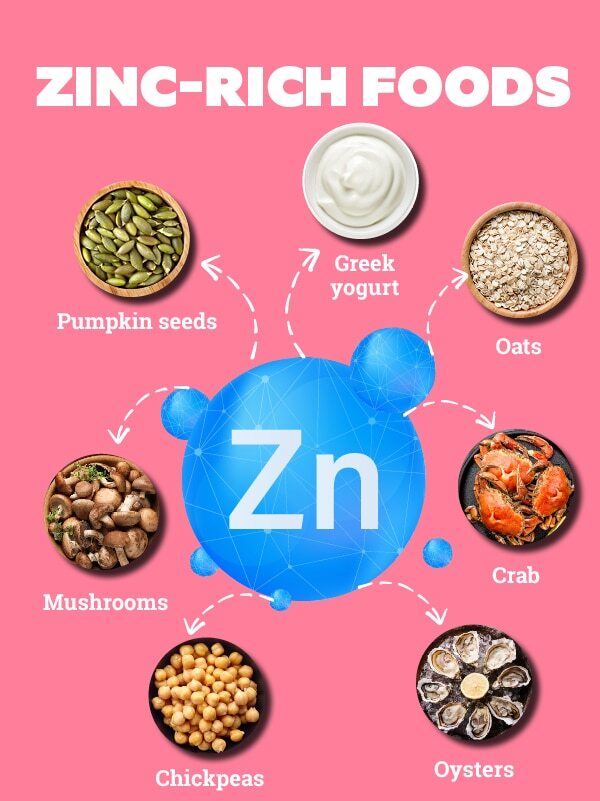
The best way to maintain healthy zinc levels is through diet.
High-zinc foods include:
- oysters (one of the richest sources)
- beef
- pumpkin seeds
- chickpeas
- lentils
- cashews
- yogurt
- eggs
Eating a variety of whole foods helps maintain balanced mineral intake.
See Zinc rich foods
When Zinc Supplements May Help
Diet alone may not always meet zinc needs, especially for people with restricted diets.
Supplementation may be helpful for:
- people with poor dietary intake
- individuals with digestive disorders
- those experiencing symptoms of deficiency
When considering supplements, it is important to choose well-absorbed forms and appropriate dosages.
👉 Read more in our guide to Best Zinc Supplements.
How Much Zinc Do You Need?
Recommended daily intake varies by age and sex.
Typical adult requirements:
- Men: about 11 mg per day
- Women: about 8 mg per day
Higher needs may occur during pregnancy or illness.
Excessive intake should be avoided because very high zinc doses can interfere with copper absorption.
Other Nutrient Deficiencies to Consider
Many symptoms of zinc deficiency overlap with other nutrient deficiencies.
You may also want to explore:
- Iron Deficiency Symptoms
- Vitamin B12 Deficiency Symptoms
- Magnesium Deficiency Symptoms
- Vitamin D Deficiency Symptoms
Understanding these deficiencies can help identify underlying causes of fatigue, hair loss, or immune problems.
The Bottom Line
Zinc is an essential mineral that supports immunity, skin health, metabolism, and cell growth.
Possible signs of zinc deficiency include:
- hair loss
- slow wound healing
- weakened immunity
- loss of taste or smell
- fatigue
Maintaining a balanced diet rich in whole foods is the best strategy for preventing deficiency. When dietary intake is insufficient, supplements may help restore healthy zinc levels.
Related Guides