
Vitamin D Deficiency: Symptoms, Causes, Risk Factors, and Treatment
Vitamin D deficiency is one of the most common nutrient deficiencies worldwide. Because vitamin D plays a central role in bone health, immune regulation, and muscle function, low levels can affect multiple systems in the body.
Many people have deficiency without realizing it.
Here’s what you need to know.
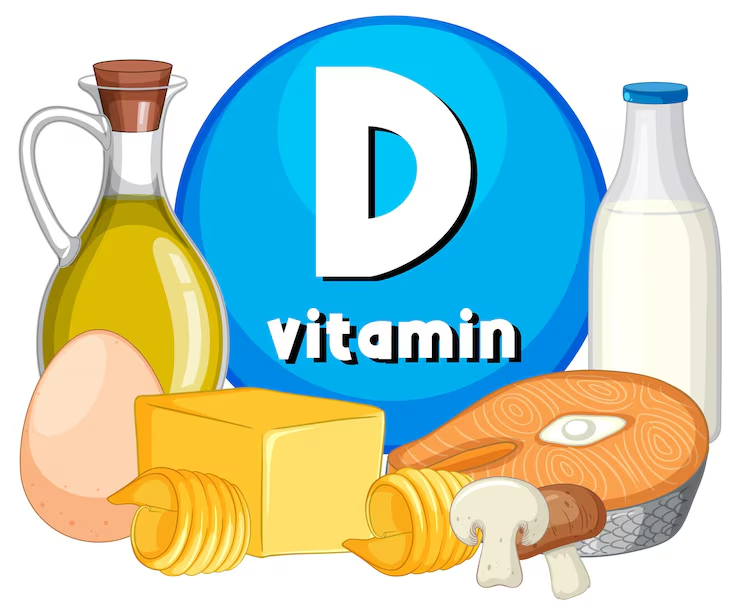
What Is Vitamin D Deficiency?
Vitamin D deficiency occurs when blood levels of 25-hydroxyvitamin D fall below optimal ranges.
General reference ranges:
- Deficiency: below 20 ng/mL (50 nmol/L)
- Insufficiency: 20–29 ng/mL
- Sufficient: 30 ng/mL and above
Blood testing is required for accurate diagnosis.
Common Symptoms of Vitamin D Deficiency
Vitamin D deficiency often develops gradually and may cause subtle symptoms.
1. Fatigue
Persistent low energy is commonly reported in individuals with low vitamin D levels.
2. Bone and Back Pain
Because vitamin D supports calcium absorption, deficiency may contribute to bone discomfort or lower back pain.
3. Muscle Weakness
Low vitamin D can impair muscle strength and coordination, increasing fall risk in older adults.
4. Frequent Infections
Vitamin D supports immune function. Low levels may increase susceptibility to respiratory infections.
5. Low Mood
Vitamin D receptors are present in the brain. Some research suggests an association between low vitamin D and mood disturbances.
6. Hair Thinning
Severe or prolonged deficiency has been linked to hair shedding in some individuals.
Severe Deficiency Complications
If left untreated, severe vitamin D deficiency may lead to:
- Rickets in children
- Osteomalacia in adults
- Increased fracture risk
- Significant muscle weakness
Early identification prevents long-term complications.
What Causes Vitamin D Deficiency?
Several factors can contribute to low vitamin D levels.
1. Limited Sun Exposure
Vitamin D is produced in the skin after sun exposure. Indoor lifestyles, sunscreen use, and winter seasons significantly reduce production.
2. Living in Northern Climates
Higher latitudes receive less UVB radiation, especially during fall and winter months.
3. Darker Skin
Higher melanin levels reduce the skin’s ability to produce vitamin D from sunlight.
4. Aging
Older adults produce less vitamin D in response to sunlight.
5. Obesity
Vitamin D is fat-soluble and can become sequestered in adipose tissue, lowering circulating levels.
6. Digestive Disorders
Conditions such as celiac disease, Crohn’s disease, or other malabsorption disorders may impair vitamin D absorption.
How Is Vitamin D Deficiency Diagnosed?
Diagnosis requires a blood test measuring:
25-hydroxyvitamin D (25(OH)D)
Testing is especially recommended for individuals with symptoms or risk factors.
How to Correct Vitamin D Deficiency
Treatment depends on severity.
1. Sun Exposure
Short periods of midday sun exposure may increase vitamin D levels, depending on skin type and climate.
2. Dietary Intake
Natural sources include:
- Fatty fish (salmon, mackerel)
- Egg yolks
- Cod liver oil
However, diet alone is often insufficient.
Vitamin D Rich Foods: Best Natural Sources of Vitamin D
3. Supplementation
Common corrective doses range from:
1,000–2,000 IU daily for mild deficiency
Higher doses may be prescribed for severe deficiency under medical supervision
The upper safe intake level for most adults is 4,000 IU per day unless directed by a healthcare provider.
For full dosage guidance, see our Vitamin D dosage guide, and Best vitamin D supplements
How Long Does It Take to Correct Deficiency?
With consistent supplementation:
- Blood levels often improve within 8–12 weeks
- Retesting is usually recommended after 3 months
Maintenance dosing is often required to prevent recurrence.
Vitamin D and Magnesium Connection
Magnesium plays a role in activating vitamin D in the body.
Low magnesium levels may reduce the effectiveness of vitamin D supplementation.
For more information, see our guide to magnesium.
Final Thoughts
Vitamin D deficiency is common but often overlooked. Because symptoms can be subtle, blood testing is the most reliable way to assess status.
Correcting deficiency through appropriate sun exposure, diet, and supplementation supports bone health, immune function, and overall well-being.
Early intervention prevents long-term complications.
Related guides:
- VITAMIN D
- Vitamin D Dosage
- Vitamin D and Depression
- Vitamin D and Fatigue
- Why Am I Always Tired? 12 Common Causes of Constant Fatigue
- Nutrient Deficiency Symptoms: Common Signs of Low Vitamins and Minerals
- Vitamin D Rich Foods: Best Natural Sources of Vitamin D
- Vitamin D and Hair Loss