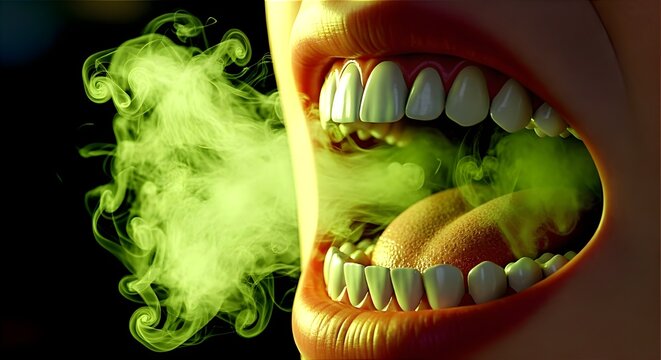
Why Do I Have Bad Breath? Causes, Treatments and When to See a Doctor
Bad breath, also known as halitosis, affects millions of people worldwide and is one of the most common reasons for visiting a dentist. Although occasional bad breath is normal after eating certain foods, persistent bad breath often indicates an underlying problem that should be addressed.
In about 80–90% of cases, the cause originates in the mouth, but bad breath can also result from sinus infections, dry mouth, acid reflux, certain medications, smoking, and, less commonly, systemic diseases.
This guide explains the most common causes of bad breath, how it is diagnosed, and evidence-based treatment options.
What Is Halitosis?
Halitosis is persistent unpleasant breath odor that does not improve with normal brushing or mouthwash.
The odor is usually caused by volatile sulfur compounds (VSCs) produced when bacteria break down food particles and proteins in the mouth.
Common Symptoms
People with halitosis may notice:
- Persistent unpleasant breath
- Bitter or metallic taste
- Dry mouth
- White coating on the tongue
- Bad taste after waking up
- Thick saliva
- Coated tongue
- Others noticing the odor before you do
What Causes Bad Breath?
Poor Oral Hygiene (Most Common Cause)
Food particles trapped between the teeth allow bacteria to multiply and produce foul-smelling sulfur compounds.
Poor oral hygiene can lead to:
- Plaque buildup
- Tooth decay
- Gingivitis
- Periodontitis
Brushing twice daily, flossing, and cleaning the tongue usually improve symptoms.
Tongue Coating
The back of the tongue contains millions of bacteria.
Food debris, dead cells, and bacteria accumulate on the tongue surface, making it one of the most common sources of bad breath.
Cleaning the tongue daily with a tongue scraper can significantly reduce halitosis.
Dry Mouth (Xerostomia)
Saliva naturally cleanses the mouth and limits bacterial growth.
Reduced saliva allows bacteria to multiply.
Common causes include:
- Dehydration
- Mouth breathing
- Aging
- Medications
- Sjögren’s syndrome
- Sleeping with an open mouth
Gum Disease
Gingivitis and periodontitis allow bacteria to grow below the gum line.
Signs include:
- Bleeding gums
- Swollen gums
- Loose teeth
- Gum recession
- Persistent bad breath
Professional dental treatment is usually required.
Foods
Certain foods naturally cause temporary bad breath.
Examples include:
- Garlic
- Onions
- Coffee
- Alcohol
- Strong spices
These odors usually disappear after digestion.
Smoking
Smoking contributes to bad breath by:
- Drying the mouth
- Increasing plaque
- Promoting gum disease
- Reducing saliva production
Stopping smoking often improves breath within weeks.
Sinus Infections
Chronic sinusitis or postnasal drip allows mucus to collect in the throat, where bacteria produce unpleasant odors.
Symptoms often include:
- Blocked nose
- Facial pressure
- Thick mucus
- Chronic cough
Tonsil Stones (Tonsilloliths)
Small white or yellow deposits may form within the tonsils.
These stones contain bacteria, food particles, and dead cells that often produce a strong foul odor.
Other symptoms include:
- Sore throat
- Feeling something stuck in the throat
- Difficulty swallowing
- Ear pain
- Visible white spots
Acid Reflux (GERD)
Gastroesophageal reflux disease may contribute to bad breath through:
- Acid reaching the throat
- Regurgitation
- Chronic throat irritation
Typical symptoms include:
- Heartburn
- Sour taste
- Chronic cough
- Hoarseness
Diabetes
Poorly controlled diabetes can produce a fruity or acetone-like breath odor, which may indicate diabetic ketoacidosis (DKA)—a medical emergency requiring immediate treatment.
Kidney Disease
Advanced kidney disease may cause a urine-like or ammonia odor to the breath because waste products accumulate in the blood.
Liver Disease
Severe liver disease can occasionally produce a distinctive sweet, musty odor known as fetor hepaticus.
Bad Breath as a Medication Side Effect
Many medications can contribute to halitosis by reducing saliva production or altering the normal balance of bacteria in the mouth.
Common examples include:
Antihistamines
- Diphenhydramine
- Chlorphenamine
- Loratadine (occasionally)
Antidepressants
- Amitriptyline
- Paroxetine
- Sertraline
Blood Pressure Medications
- Diuretics
- Beta blockers
- ACE inhibitors
Anticholinergic Medications
These commonly cause dry mouth and increase the risk of halitosis.
Opioid Pain Medications
Opioids may reduce saliva production and contribute to dry mouth.
Inhaled Corticosteroids
Without rinsing the mouth after use, inhaled steroids may promote oral yeast infections and unpleasant breath.
Do not stop taking a prescribed medication without consulting your healthcare provider.
Risk Factors
Your risk of halitosis increases if you:
- Smoke
- Have gum disease
- Have untreated cavities
- Wear dentures
- Have diabetes
- Breathe through your mouth
- Take medications that cause dry mouth
- Have chronic sinusitis or GERD
When Should You See a Doctor?
Seek medical or dental advice if bad breath:
- Persists despite good oral hygiene
- Lasts longer than two weeks
- Is associated with bleeding gums
- Occurs with tooth pain
- Is accompanied by unexplained weight loss
- Is associated with persistent sore throat
- Is accompanied by fever or facial swelling
How Is Bad Breath Diagnosed?
Evaluation may include:
- Dental examination
- Oral examination
- Review of medications
- Assessment for dry mouth
- Evaluation for sinus disease or GERD
- Blood glucose testing if diabetes is suspected
How Is Bad Breath Treated?
Treatment depends on the underlying cause.
Common treatments include:
- Brushing twice daily with fluoride toothpaste
- Daily flossing
- Tongue cleaning
- Professional dental cleaning
- Staying hydrated
- Sugar-free chewing gum to stimulate saliva
- Treating gum disease
- Managing sinusitis or allergies
- Treating acid reflux
- Reviewing medications that cause dry mouth
Supplements That May Help
Probiotics
Certain oral and gastrointestinal probiotic strains may help reduce odor-causing bacteria and improve halitosis, although results vary between products.
Zinc
Zinc salts are commonly included in mouthwashes and toothpastes because they help neutralize volatile sulfur compounds.
Routine oral supplementation is recommended only when a zinc deficiency is present.
Vitamin C
Vitamin C supports healthy gums. A deficiency may contribute to bleeding gums and poor oral health.
Coenzyme Q10
Some small studies suggest CoQ10 may support gum health, but evidence remains limited.
Amazon Recommendations
Tongue Cleaning
Oral Care
Dry Mouth Relief
Probiotics
Is bad breath usually caused by stomach problems?
No. Most cases originate in the mouth due to bacteria, tongue coating, or gum disease. Stomach disorders such as GERD are much less common causes.
Why is my breath worse in the morning?
Saliva production decreases during sleep, allowing bacteria to multiply and produce odor.
Can sinus infections cause bad breath?
Yes. Postnasal drip and infected mucus can contribute to unpleasant breath.
Can medications cause bad breath?
Yes. Medications that reduce saliva production—such as antihistamines, antidepressants, and diuretics—can increase the risk of halitosis.
Can probiotics improve bad breath?
Certain probiotic strains may help reduce odor-causing bacteria, but they should complement—not replace—good oral hygiene.
Can bad breath be a sign of a serious illness?
Occasionally. Persistent halitosis may be associated with diabetes, advanced kidney disease, liver disease, or chronic infections and should be evaluated if it does not improve.
Clinical Considerations
Persistent halitosis most commonly results from poor oral hygiene, tongue coating, gum disease, or dry mouth. However, clinicians should also consider chronic sinusitis, tonsil stones, GERD, medication-induced xerostomia, and systemic diseases when evaluating patients with ongoing symptoms.
Related Guides
- Why Do I Have a Chronic Sore Throat?
- Why Is My Nose Always Blocked?
- Why Have I Lost My Sense of Smell?
- Why Have I Lost My Sense of Taste?
- How Much Water Do You Really Need?
- Probiotics: Benefits, Dosage and Side Effects
- Zinc: Benefits, Dosage and Side Effects
- GERD: Causes, Symptoms and Treatment (future pillar)
References
- American Dental Association (ADA). Halitosis (Bad Breath).
- Mayo Clinic. Bad Breath (Halitosis).
- Cleveland Clinic. Halitosis: Causes and Treatment.
- National Institute of Dental and Craniofacial Research (NIDCR). Oral Health.
- Porter SR, et al. Halitosis. BMJ.
- UpToDate. Evaluation and Management of Halitosis.