What Causes Hair Loss? Common Reasons and Treatments
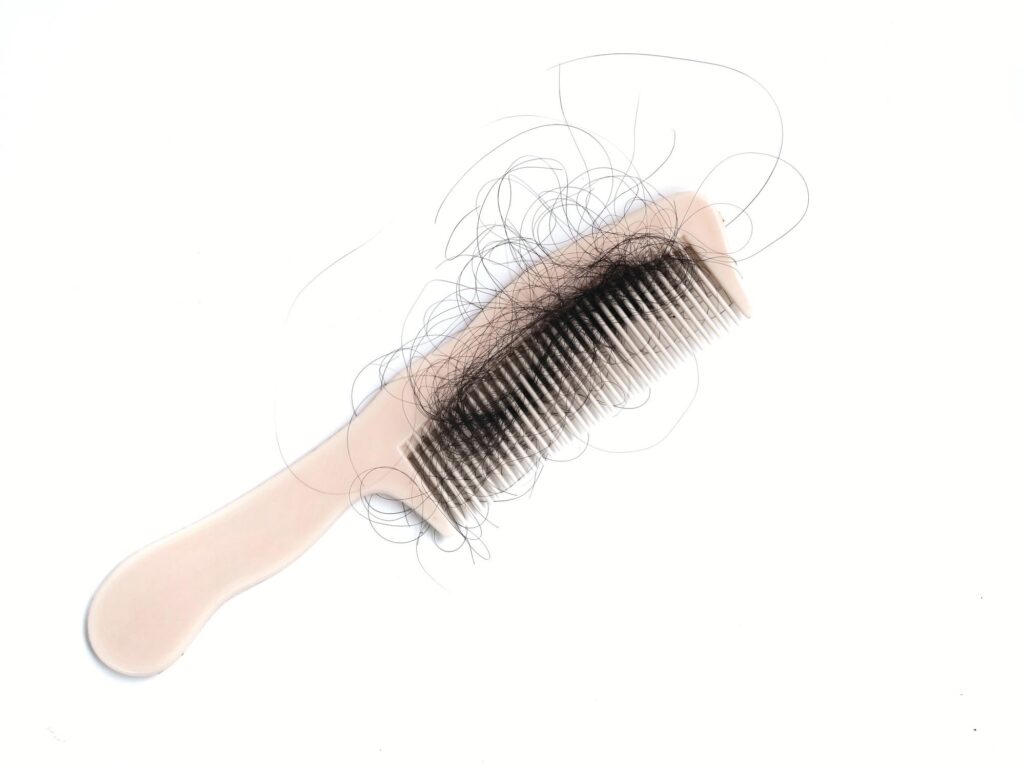
Hair loss is a common condition that affects both men and women. While losing some hair daily is normal, excessive hair shedding or thinning may indicate an underlying health issue.
Hair loss can result from nutritional deficiencies, hormonal changes, stress, medical conditions, or genetic factors. Understanding the cause is essential for choosing the right treatment.
This guide explains the most common causes of hair loss and how to address them.
How the Hair Growth Cycle Works
Hair grows in cycles that include three main phases:
- Anagen (growth phase): Active hair growth lasting several years
- Catagen (transition phase): Short resting phase
- Telogen (shedding phase): Hair falls out naturally
Disruption of this cycle can lead to excessive hair shedding or thinning.
Most Common Causes of Hair Loss
1. Nutrient Deficiencies
Hair follicles require nutrients for growth and repair. Deficiencies can weaken hair structure and slow growth.
Common nutrient deficiencies linked to hair loss include:
- Iron deficiency
- Vitamin D deficiency
- Zinc deficiency
- Vitamin B12 deficiency
- Magnesium deficiency (indirect effect)
See also:
2. Hormonal Changes
Hormonal imbalances can affect hair growth cycles.
Common causes include:
- Thyroid disorders
- Pregnancy and postpartum changes
- Menopause
- Polycystic ovary syndrome (PCOS)
Hormonal hair loss often requires medical evaluation.
3. Genetic Hair Loss (Androgenetic Alopecia)
Genetic hair loss is the most common cause of progressive thinning.
Characteristics include:
- Gradual thinning
- Receding hairline in men
- Widening hair part in women
This condition is influenced by genetics and hormone sensitivity.
4. Stress-Related Hair Loss (Telogen Effluvium)
Physical or emotional stress can push hair follicles into the shedding phase.
Common triggers include:
- Illness or surgery
- Emotional stress
- Rapid weight loss
- Nutrient deficiencies
Hair typically regrows once the trigger is resolved.
5. Autoimmune Conditions
Some conditions cause the immune system to attack hair follicles.
Example:
- Alopecia areata (patchy hair loss)
Vitamin D deficiency has been linked to immune-related hair loss.
6. Medications and Medical Treatments
Certain medications may cause hair loss as a side effect.
Examples include:
- Chemotherapy drugs
- Blood pressure medications
- Antidepressants
- Hormonal treatments
Consult a healthcare professional if medication-related hair loss occurs.
7. Poor Scalp Health
Inflammation or infection of the scalp can disrupt hair growth.
Common causes include:
- Dandruff
- Fungal infections
- Scalp inflammation
- Excess oil buildup
Maintaining scalp health supports hair growth.
8. Excessive Hair Treatments and Styling
Hair damage from styling can cause breakage and thinning.
Common causes include:
- Heat styling
- Chemical treatments
- Tight hairstyles
- Bleaching or coloring
Reducing damage improves hair strength.
Signs of Abnormal Hair Loss
You may have excessive hair loss if you notice:
- Increased hair shedding
- Thinning hair
- Receding hairline
- Patchy hair loss
- Visible scalp
Persistent hair loss should be evaluated medically.
How to Treat Hair Loss
Treatment depends on the underlying cause.
Correct Nutrient Deficiencies
Testing and correcting deficiencies may improve hair growth.
Key nutrients include:
Balanced nutrition supports hair follicle health.
Manage Stress
Reducing stress levels helps restore normal hair growth cycles.
Lifestyle strategies include:
- Adequate sleep
- Regular exercise
- Stress management techniques
Improve Diet and Lifestyle
Healthy habits support hair growth:
- Balanced diet with protein and nutrients
- Good scalp hygiene
- Avoiding excessive hair damage
Medical Treatment
Consult a healthcare professional for:
- Persistent hair loss
- Hormonal imbalance
- Autoimmune conditions
- Severe symptoms
When to See a Doctor
Seek medical advice if:
- Hair loss is sudden or severe
- Hair thinning persists for months
- Hair loss occurs with other symptoms
- You suspect nutrient deficiency
Early treatment improves outcomes.
Final Thoughts
Hair loss has many possible causes, including nutrient deficiencies, hormonal changes, stress, genetics, and medical conditions. Identifying the underlying cause is essential for effective treatment.
A balanced diet, proper medical evaluation, and targeted treatment provide the best support for long-term hair health.
Related searches:
- Nutrient Deficiency Symptoms: Common Signs of Low Vitamins and Minerals
- Iron Deficiency and Hair Loss: Can Low Iron Cause Hair Thinning?
- Zinc and Hair Growth: Does Zinc Help Prevent Hair Loss?
- Zinc Rich Foods
- Foods for Hair Growth: Best Nutrients for Healthy Hair
- Stress and Hair Loss: Can Stress Cause Hair Thinning?
- Best Vitamins for Hair Growth
- Best Supplements for Hair Growth
- Vitamin D and Hair Loss
- Biotin for Hair Growth: Does It Really Work?
- Vitamin D vs Biotin for Hair Growth: Which Is Better?