Vitamin K: Functions, Mechanisms, Dosage,Benefits, K1 vs K2, Bone Health, Calcium, Blood Clotting, Safety
What Is Vitamin K?
Vitamin K is a fat-soluble vitamin that is essential for several important functions in the body.
It is not a single compound. The vitamin K family includes vitamin K1 (phylloquinone) and several forms of vitamin K2 (menaquinones).
Vitamin K is particularly important for:
- Normal blood clotting
- Bone metabolism
- Activation of specific proteins
- Calcium-related processes in bone and other tissues
Vitamin K works as a cofactor for enzymes that activate vitamin K-dependent proteins. These include prothrombin and other clotting factors, as well as proteins involved in bone and vascular biology. (NIH Office of Dietary Supplements)
This is why vitamin K is relevant to both blood coagulation and calcium metabolism.
Vitamin K1 vs Vitamin K2: What’s the Difference?
Vitamin K1 — Phylloquinone
Vitamin K1 is the main form of vitamin K in the diet.
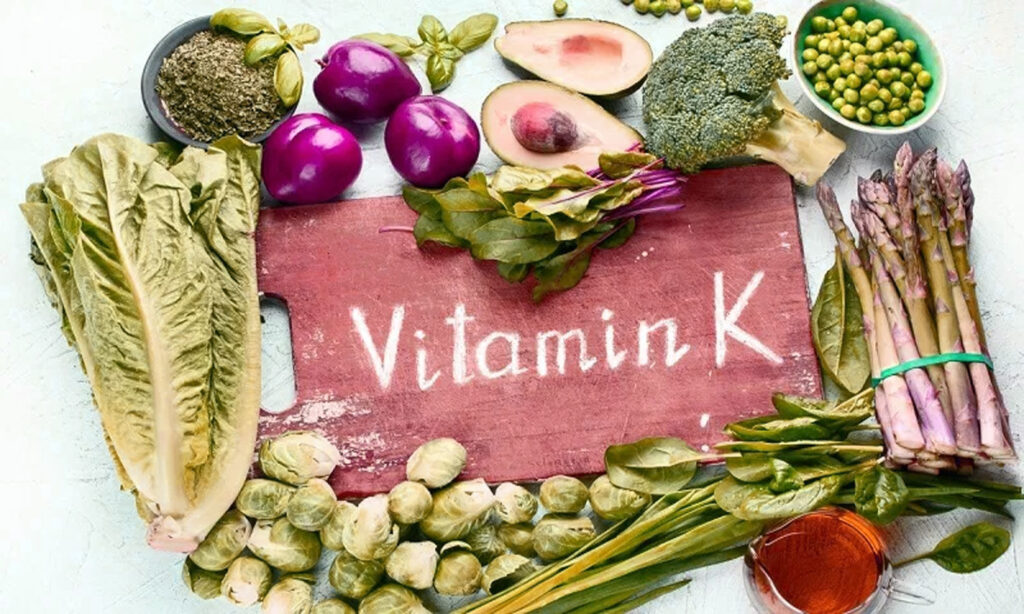
It is found primarily in:
- Kale
- Spinach
- Broccoli
- Lettuce
- Other green leafy vegetables
- Vegetable oils
Vitamin K1 is particularly important for normal blood coagulation.
Vitamin K2 — Menaquinones
Vitamin K2 is a family of compounds called menaquinones.
They include forms such as:
- MK-4
- MK-7
- MK-9
Vitamin K2 occurs in some animal foods and fermented foods. Natto, a traditional fermented soybean food, is particularly rich in menaquinones. (ods.od.nih.gov)
Different forms of K2 have different biological properties and half-lives, so K1, MK-4 and MK-7 should not simply be treated as interchangeable compounds.
What Does Vitamin K Do in the Body?
Vitamin K-dependent proteins are involved in several important processes.
Blood clotting
Vitamin K is required for the activation of several coagulation proteins, including:
- Factor II (prothrombin)
- Factor VII
- Factor IX
- Factor X
- Proteins C and S
This is why drugs such as warfarin work partly by interfering with vitamin K-dependent clotting-factor activation. (ods.od.nih.gov)
Bone metabolism
Vitamin K is required for the activation of osteocalcin, a protein produced by bone-forming cells.
Vascular biology
Vitamin K is also required for activation of matrix Gla-protein (MGP), which is found in vascular tissue and is involved in the regulation of abnormal calcification.
This has generated considerable interest in vitamin K2 and vascular health. However, the biological mechanism is much more complicated than the popular claim that vitamin K2 simply “moves calcium from the arteries into the bones.” (ods.od.nih.gov)
Vitamin K and Calcium: How Do They Work Together?
Calcium is essential for:
- Bones
- Teeth
- Muscle contraction
- Nerve signaling
- Blood clotting
- Cellular signaling
But calcium does not work alone.
Several nutrients participate in calcium absorption, regulation and bone metabolism.
Vitamin D
Helps the intestine absorb calcium.
Magnesium
Supports calcium regulation and normal parathyroid hormone function.
Vitamin K
Activates proteins involved in bone metabolism and vascular calcification biology.
Phosphorus
Combines with calcium to form much of the mineral structure of bone.
The important point is:
Calcium, vitamin D, magnesium and vitamin K have different roles. They should not be treated as interchangeable nutrients.
Does Vitamin K “Put Calcium Into Bones”?
You may have seen the claim:
“Vitamin K2 puts calcium into bones and keeps it out of the arteries.”
There is some biological reasoning behind this popular statement.
Vitamin K activates proteins such as osteocalcin, which is involved in bone metabolism, and matrix Gla-protein (MGP), which is involved in regulation of vascular calcification.
However, the popular slogan is too simplistic to be presented as established medical fact.
Research has not established that taking vitamin K2 supplements simply redirects calcium from arteries into bones or prevents cardiovascular disease.
The role of vitamin K in vascular calcification remains an active area of research. (ods.od.nih.gov)
For Nutrient Science Lab, the better wording is:
Vitamin K is involved in the activation of proteins important for bone metabolism and the regulation of vascular calcification.
rather than:
❌ Vitamin K2 removes calcium from arteries and puts it into bones.
That distinction is important.
Vitamin K and Bone Health
Vitamin K has a clear biological role in bone metabolism, but the question is whether taking extra vitamin K as a supplement improves bone health or prevents fractures.
Research has produced mixed results.
Some studies have associated higher vitamin K intake or supplementation with improved bone outcomes, while others have not found significant improvements in bone mineral density. (ods.od.nih.gov)
A systematic review and meta-analysis of randomized trials found an association between vitamin K supplementation and lower fracture risk, but effects on bone mineral density were less consistent. (pubmed.ncbi.nlm.nih.gov)
Therefore:
Vitamin K is important for normal bone biology.
But:
Vitamin K supplementation should not be presented as a proven treatment for osteoporosis.
Adequate:
- Calcium
- Vitamin D
- Protein
- Magnesium
- Physical activity
- Weight-bearing exercise
and appropriate medical assessment remain central to bone health.
Vitamin K and Arteries
Vascular calcification is the abnormal accumulation of calcium-containing mineral in blood vessels.
Vitamin K-dependent MGP is involved in the body’s regulation of vascular calcification, which is one reason researchers are interested in vitamin K2.
However, clinical evidence is not yet strong enough to recommend vitamin K supplements specifically to prevent arterial calcification or cardiovascular disease. (ods.od.nih.gov)
Some observational studies have associated higher dietary menaquinone intake with less vascular calcification, but observational findings cannot prove that vitamin K caused the difference.
Clinical trials have produced mixed results.
Bottom line:
The biology is interesting. The clinical evidence is still developing.
Can Vitamin K Cause Blood Clots?
This is an important question because vitamin K is required for normal blood coagulation.
For healthy people:
There is no good evidence that normal dietary vitamin K causes thrombosis.
Vitamin K is an essential nutrient, and vitamin K deficiency can impair normal clotting and cause bleeding.
The fact that vitamin K is required for clotting does not mean that eating vitamin K-rich vegetables automatically makes healthy people prone to blood clots. (ods.od.nih.gov)
What If Someone Has an Undiagnosed Clotting Disorder?
It is reasonable to ask whether someone with an inherited tendency toward thrombosis could unknowingly be harmed by vitamin K supplementation.
At present, there is not good evidence that ordinary vitamin K intake causes thrombosis in people with inherited thrombophilias such as Factor V Leiden.
These conditions involve abnormalities in the coagulation system that are different from vitamin K intake.
Therefore, we should not tell healthy readers that vitamin K supplements are dangerous because they might unknowingly have a clotting disorder.
However, medical evaluation is appropriate if someone has:
- A previous unexplained blood clot
- Recurrent thrombosis
- A known clotting disorder
- A strong family history of unusual or recurrent blood clots
- Current anticoagulant treatment
In these situations, discuss vitamin K supplements with a doctor or pharmacist.
Can You Overdose on Vitamin K?
Vitamin K is unusual among vitamins because no tolerable upper intake level (UL) has been established for healthy adults.
The U.S. National Institutes of Health explains that the Food and Nutrition Board did not establish a UL because available evidence has not demonstrated a clear toxicity threshold. EFSA likewise lists vitamin K as having no adequate data to derive a UL. (ods.od.nih.gov; efsa.europa.eu)
This does not mean:
“Unlimited vitamin K is safe.”
It means that a numerical upper limit could not be established from the available evidence.
There is also little nutritional reason for healthy people to take extremely high doses.
Our recommendation
Prefer adequate dietary vitamin K and sensible supplement doses rather than high-dose vitamin K supplementation without a specific reason.
Vitamin K: How Much Do You Need?
In the United States, the adequate intake for adults is approximately:
- Men 19+: 120 mcg/day
- Women 19+: 90 mcg/day
- Pregnancy and lactation: 90 mcg/day (ods.od.nih.gov)
These are adequate intake values, not recommendations for vitamin K supplements.
Most healthy adults can obtain vitamin K from food.
Best Food Sources of Vitamin K
Vitamin K1-rich foods
Especially:
- Kale
- Spinach
- Collard greens
- Broccoli
- Lettuce
- Other green leafy vegetables
- Vegetable oils
Vitamin K2 sources
Vitamin K2 is found in:
- Natto
- Some fermented foods
- Certain cheeses
- Some animal foods
The amount and form of vitamin K2 can vary considerably between foods. (ods.od.nih.gov)
Does Vitamin K Need Fat to Be Absorbed?
Yes.
Vitamin K is fat-soluble, meaning that dietary fat and normal digestive processes help with its absorption.
Vitamin K is incorporated into micelles in the intestine and absorbed into enterocytes before being transported in lipoproteins. (ods.od.nih.gov)
People with significant problems absorbing dietary fat may therefore be at greater risk of inadequate absorption of vitamin K and other fat-soluble vitamins.
Who Is at Risk of Vitamin K Deficiency?
Clinically significant vitamin K deficiency is rare in healthy adults.
Risk is greater in people with:
- Fat-malabsorption disorders
- Certain gastrointestinal diseases
- Some liver or biliary disorders
- Prolonged use of certain medications
- Severe nutritional problems
Long-term use of certain medications can also affect vitamin K status. (ods.od.nih.gov)
Vitamin K Deficiency Symptoms
The classic sign of significant vitamin K deficiency is abnormal bleeding.
Possible symptoms include:
- Easy bruising
- Nosebleeds
- Excessive bleeding from small injuries
- Heavy menstrual bleeding
- Blood in urine or stool
- Prolonged bleeding after an injury or procedure
Severe deficiency can lead to hemorrhage.
Vitamin K deficiency in adults is uncommon, so unexplained bleeding should not automatically be blamed on low vitamin K.
It requires medical evaluation.
Vitamin K and Blood Testing
Vitamin K status is not routinely tested in healthy people.
When clinically significant deficiency is suspected, doctors may evaluate prothrombin time (PT/INR) and investigate the underlying cause.
A routine vitamin K blood level does not provide a simple measure of whether someone should take a vitamin K supplement. (ods.od.nih.gov)
Vitamin K and Warfarin: The Most Important Interaction
This is the most important safety issue to understand.
Warfarin and similar vitamin K-antagonist anticoagulants work by interfering with vitamin K-dependent clotting-factor activation.
Increasing vitamin K intake substantially can therefore reduce the anticoagulant effect.
Conversely, suddenly reducing vitamin K intake can increase anticoagulant effect and potentially increase bleeding risk. (ods.od.nih.gov)
If you take warfarin:
Do not suddenly:
- Start a vitamin K supplement
- Stop a vitamin K supplement
- Dramatically increase green leafy vegetables
- Dramatically eliminate vitamin K-rich foods
The goal is generally consistency.
Your healthcare professional adjusts the anticoagulant dose and monitors your INR based partly on your vitamin K intake.
What About Other Blood Thinners?
Not every blood thinner interacts with vitamin K in the same way.
Warfarin and related vitamin K-antagonist anticoagulants are particularly important because their mechanism directly involves vitamin K.
Other anticoagulants, including:
- Apixaban
- Rivaroxaban
- Dabigatran
work through different pathways.
Nevertheless, if you take any anticoagulant or antiplatelet medication, tell your healthcare professional before starting a vitamin K supplement.
Vitamin K and Antibiotics
Some antibiotics can reduce vitamin K availability by affecting gut bacteria, and certain cephalosporins can interfere with vitamin K-dependent processes.
This is usually more relevant during prolonged antibiotic treatment combined with poor nutritional intake rather than a short routine course of antibiotics. (ods.od.nih.gov)
Do not automatically take vitamin K supplements whenever you take an antibiotic.
Vitamin K and Cholesterol Medicines
Certain bile acid sequestrants, such as cholestyramine and colestipol, can reduce absorption of fat-soluble vitamins, including vitamin K.
People using these medications long term may require medical monitoring of nutritional status. (ods.od.nih.gov)
Vitamin K and Orlistat
Orlistat reduces fat absorption and may therefore also reduce absorption of fat-soluble vitamins such as vitamin K.
People taking orlistat may need specific nutritional guidance, particularly with long-term use. (ods.od.nih.gov)
Vitamin K1 vs K2: Which Is Better?
There is no simple answer.
K1
- Main dietary form
- Abundant in green vegetables
- Essential for normal coagulation
- Widely available from food
K2
- Includes MK-4, MK-7 and other menaquinones
- Found in fermented and some animal foods
- Often marketed for bone and cardiovascular health
The important point:
K2 is not automatically better than K1.
Different forms behave differently in the body, and research into their specific clinical effects is ongoing.
Vitamin K2: MK-4 vs MK-7
Two commonly discussed K2 forms are MK-4 and MK-7.
MK-4
MK-4 is found in some animal foods and can also be produced from vitamin K1 by the body.
Pharmacological doses of MK-4 have been studied extensively in Japan for osteoporosis, but those doses are very different from the amounts commonly found in nutritional supplements. (ods.od.nih.gov)
MK-7
MK-7 is found in fermented foods, particularly natto, and has a relatively long half-life in the circulation.
MK-7 has been investigated in several bone-health studies.
However, neither should be marketed as a guaranteed treatment for osteoporosis or arterial calcification.

Should You Take Vitamin K2 With Calcium and Vitamin D?
A combination of:
Calcium + Vitamin D + Magnesium + Vitamin K2
is increasingly marketed for bone health.
There is a biological rationale for combining these nutrients because they participate in different aspects of calcium and bone metabolism.
But that does not mean that every person needs all four as supplements.
Consider:
- Your dietary calcium
- Your vitamin D status
- Your magnesium intake
- Your vitamin K intake
- Your medications
- Kidney function
- Bone-health risk
- Whether you already use a multivitamin
More ingredients ≠ better results.
Vitamin K and Calcium Supplements: A Practical Approach
If you are taking calcium for bone health:
First:
Make sure you are getting enough calcium from food.
Second:
Ensure adequate vitamin D.
Third:
Make sure your diet provides sufficient magnesium.
Fourth:
Obtain adequate vitamin K from food.
Finally:
Consider a combination supplement only when there is a clear nutritional reason for it.
There is no need to take high-dose vitamin K simply because you take calcium.
Vitamin K Supplements: What Should You Look For?
Before buying a vitamin K supplement, check:
- Which form? K1, MK-4 or MK-7?
- How much? Micrograms or milligrams?
- Is vitamin K already in your multivitamin?
- Does your calcium/bone formula already contain K2?
- Are you taking warfarin or another anticoagulant?
- Do you have a medical reason to supplement?
Avoid buying a product simply because it contains an extremely large dose.
Can You Get Enough Vitamin K From Food?
For most healthy people, yes.
A diet containing green leafy vegetables and a variety of other foods can provide substantial vitamin K.
Examples include:
- Kale
- Spinach
- Broccoli
- Lettuce
- Cabbage
- Vegetable oils
- Fermented foods
This is another reason we prefer a food-first approach unless supplementation is appropriate.
Vitamin K and Bone Health: The Bigger Picture
Vitamin K should be considered part of a larger bone-health strategy.
Healthy bones require:
Calcium + Vitamin D + adequate protein + physical activity + appropriate hormonal and nutritional status
Vitamin K contributes to normal bone metabolism, but it does not replace calcium, vitamin D or exercise.
Likewise, calcium supplementation does not automatically compensate for vitamin D deficiency or other nutritional problems.
Vitamin K and Cardiovascular Health: What We Know
Vitamin K-dependent proteins such as MGP are involved in vascular calcification biology.
This has led to extensive research into vitamin K2 and cardiovascular health.
However, there is currently insufficient clinical evidence to recommend vitamin K supplements as a cardiovascular disease prevention treatment.
Observational research is interesting, but randomized clinical trials have not established a definitive cardiovascular benefit. (ods.od.nih.gov)
Therefore:
Don’t take vitamin K2 as a substitute for:
- Blood-pressure treatment
- Cholesterol treatment
- Diabetes management
- Exercise
- A healthy diet
- Smoking cessation
- Medically indicated cardiovascular therapy
Who Should Be Particularly Careful With Vitamin K Supplements?
Speak with a healthcare professional before taking a vitamin K supplement if you:
- Take warfarin
- Take acenocoumarol or phenprocoumon
- Have a bleeding disorder
- Have a history of unexplained thrombosis
- Have significant liver disease
- Have a fat-malabsorption disorder
- Take multiple prescription medications
- Are pregnant or breastfeeding and considering high-dose supplementation
Vitamin K Safety: Our Practical Recommendation
Food sources
Generally safe and encouraged.
Standard nutritional supplementation
Usually well tolerated in healthy adults.
High-dose supplementation
Usually unnecessary unless there is a specific clinical reason.
Warfarin
Medical supervision is essential.
Unknown clotting tendency
There is no evidence that normal vitamin K intake causes thrombosis in healthy people, but people with a history or strong family history of unexplained thrombosis should discuss supplements with a healthcare professional.
Vitamin K Quick Comparison
| Feature | Vitamin K1 | Vitamin K2 |
|---|---|---|
| Main form | Phylloquinone | Menaquinones |
| Common forms | K1 | MK-4, MK-7, MK-9 |
| Main food sources | Green vegetables | Fermented/animal foods |
| Blood clotting | Essential | Also participates |
| Bone metabolism | Yes | Yes |
| Vascular biology | Yes | Yes |
| Proven cardiovascular treatment? | No | No |
| Proven osteoporosis treatment? | No | No |
| Common supplement use | Nutritional support | Bone-health formulas |
| Major medication concern | Warfarin | Warfarin |
| Established UL? | No | No |
What is vitamin K good for?
Vitamin K is essential for normal blood clotting and is involved in bone metabolism and other physiological processes.
What is the difference between vitamin K1 and K2?
K1 is the main dietary form found in green vegetables. K2 refers to menaquinones such as MK-4 and MK-7, found in certain fermented and animal foods.
Does vitamin K2 put calcium into bones?
This is an oversimplification. Vitamin K activates proteins involved in bone metabolism and vascular calcification regulation, but it has not been proven that K2 simply redirects calcium from arteries into bones.
Does vitamin K prevent arterial calcification?
Not proven. The biological mechanism is being studied, but clinical evidence is currently insufficient to recommend vitamin K as a treatment to prevent vascular calcification.
Can vitamin K cause blood clots?
Normal dietary vitamin K has not been shown to cause thrombosis in healthy people. The major established concern is its interaction with vitamin K-antagonist anticoagulants such as warfarin.
Can I take vitamin K if I take warfarin?
Do not start or stop vitamin K supplementation without medical advice. Consistency of vitamin K intake is particularly important when taking warfarin.
Can I take vitamin K2 with calcium and vitamin D?
They can be combined in some bone-health formulas, but not everyone needs all three or four nutrients as supplements.
Is there a maximum safe dose of vitamin K?
No formal tolerable upper intake level has been established because available evidence has not identified a clear toxicity threshold. This does not mean unlimited high-dose supplementation is recommended
Can vitamin K deficiency cause bleeding?
Yes. Significant vitamin K deficiency can impair activation of clotting proteins and cause abnormal bleeding.
Is vitamin K deficiency common?
Clinically significant vitamin K deficiency is rare in healthy adults. It is more likely with fat-malabsorption disorders, certain medications or severe nutritional problems.
Should everyone take vitamin K2 for osteoporosis?
No. Vitamin K is involved in bone metabolism, but vitamin K2 supplements have not been established as a universal treatment for osteoporosis.
Should I take K2 to protect my arteries if I take calcium?
There is not enough evidence to recommend K2 for this purpose. Do not assume that K2 prevents calcium from accumulating in arteries.
Bottom Line
Vitamin K is much more than a “bone vitamin.”
It is essential for normal blood clotting and participates in bone metabolism and calcium-related processes in tissues.
The key points are:
Vitamin K1 is abundant in green vegetables.
Vitamin K2 includes menaquinones such as MK-4 and MK-7.
Vitamin K activates proteins involved in coagulation and bone metabolism.
Vitamin D helps calcium absorption.
Magnesium supports calcium regulation and bone metabolism.
Vitamin K participates in the activation of proteins involved in bone and vascular calcification biology.
But:
Vitamin K2 should not be marketed as a proven mechanism for moving calcium into bones and keeping it out of arteries.
For healthy people, normal dietary vitamin K has not been shown to cause blood clots, and no formal UL has been established.
The most important safety issue is the interaction with warfarin and similar vitamin K-antagonist anticoagulants.
If you take these medications, consistency of vitamin K intake is important and supplementation should be discussed with your healthcare professional.
And finally:
Adequate vitamin K is important. More vitamin K is not necessarily better.
Related Guides
Calcium & Bone Health
- Calcium Deficiency: Symptoms, Causes, Treatment & Supplements
- Calcium Supplements and Medications: Interactions You Should Know
- Best Supplements for PMS
- Best Supplements for Menopause
- Best Joint Supplements
- Best Joint Support Supplements
Vitamins & Minerals
- Vitamin D Deficiency: Symptoms, Causes, Dosage & Safety
- Magnesium Deficiency: Symptoms, Causes & Treatment
- Magnesium: Benefits, Forms, Dosage & Safety
- Vitamin B12 Deficiency: Symptoms, Causes & Treatment
- Iron Deficiency: Symptoms, Causes & Treatment
- Zinc Deficiency: Symptoms, Causes & Treatment
Supplement Safety
- Pharmacist’s Guide to Supplement–Drug Interactions
- How to Choose the Right Supplements
- Can You Take Too Many Vitamins and Supplements?
Medical Disclaimer
Medical Disclaimer: This article is for general educational and informational purposes only and is not a substitute for professional medical advice, diagnosis or treatment. Vitamin K supplements are not appropriate for everyone and can interact significantly with certain medications, particularly vitamin K-antagonist anticoagulants such as warfarin. If you take anticoagulants, have a bleeding or clotting disorder, have significant liver or gastrointestinal disease, or take prescription medications regularly, consult your doctor or pharmacist before starting a vitamin K supplement.
Affiliate Disclosure
Some products mentioned on Nutrient Science Lab may be available through affiliate links. If you purchase through an affiliate link, we may receive a commission at no additional cost to you.
Our recommendations are based on ingredient composition, formulation, practical considerations, safety and available scientific evidence. Affiliate relationships do not determine our editorial conclusions.
References
1. NIH Office of Dietary Supplements — Vitamin K
Comprehensive information on vitamin K forms, functions, food sources, deficiency, bone health, vascular calcification, safety and medication interactions.
(ods.od.nih.gov)
2. NIH Office of Dietary Supplements — Vitamin K Consumer Fact Sheet
Information on vitamin K, food sources, bone health, cardiovascular research and warfarin interactions.
(ods.od.nih.gov)
3. Vitamin K and Bone Health
Systematic review and meta-analysis of randomized trials examining vitamin K supplementation and bone mineral density and fracture outcomes.
(pubmed.ncbi.nlm.nih.gov)
4. EFSA — Tolerable Upper Intake Levels
EFSA’s summary tables indicate that there are no adequate data to establish a numerical UL for vitamin K.
(efsa.europa.eu)
Last reviewed: August 2026
Medical review note: This article has been updated to distinguish established functions of vitamin K from areas where clinical evidence remains uncertain, particularly vitamin K2, vascular calcification and osteoporosis.