Vitamin B12 Deficiency Symptoms (Complete Guide)
Vitamin B12 Deficiency Symptoms: 12 Warning Signs
Vitamin B12 is an essential nutrient that plays a critical role in nerve function, red blood cell production, and DNA synthesis. When the body does not receive enough vitamin B12, a wide range of symptoms may appear.
Because vitamin B12 deficiency often develops slowly, many people experience symptoms for months before realizing the cause.
Understanding the warning signs of vitamin B12 deficiency can help identify the problem early and support proper treatment.
What Is Vitamin B12?
Vitamin B12, also called cobalamin, is a water-soluble vitamin that helps maintain healthy nerve cells and supports the production of red blood cells.
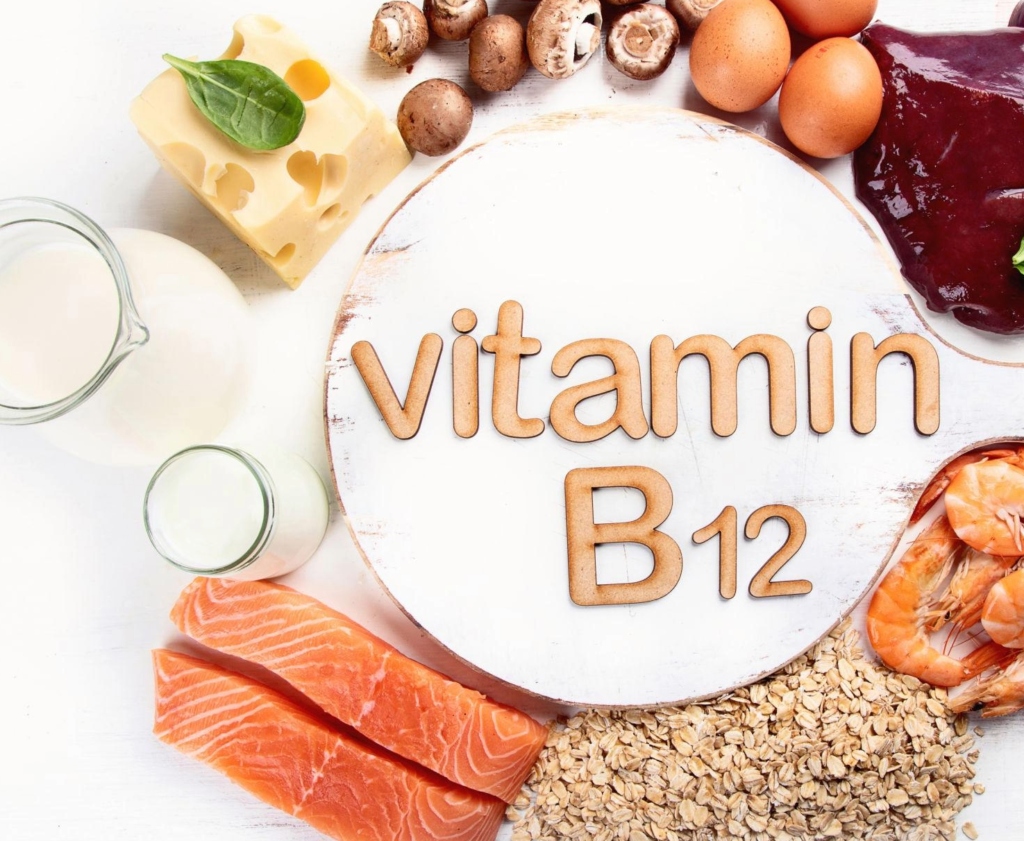
Vitamin B12 is naturally found in:
- meat
- fish
- eggs
- dairy products
Because plant foods generally do not contain vitamin B12, deficiency is more common among vegetarians and vegans.
12 Common Vitamin B12 Deficiency Symptoms
1. Fatigue and Low Energy
One of the earliest and most common signs of vitamin B12 deficiency is persistent fatigue.
Vitamin B12 is required for red blood cell production. Without enough B12, the body may struggle to deliver oxygen efficiently to tissues, leading to tiredness and weakness.
Related articles:
2. Brain Fog and Difficulty Concentrating
Low vitamin B12 levels may affect brain function.
Some people experience:
- difficulty concentrating
- memory problems
- mental fog
Vitamin B12 plays an important role in maintaining healthy nerve cells and brain function.
For more information see:
3. Tingling or Numbness
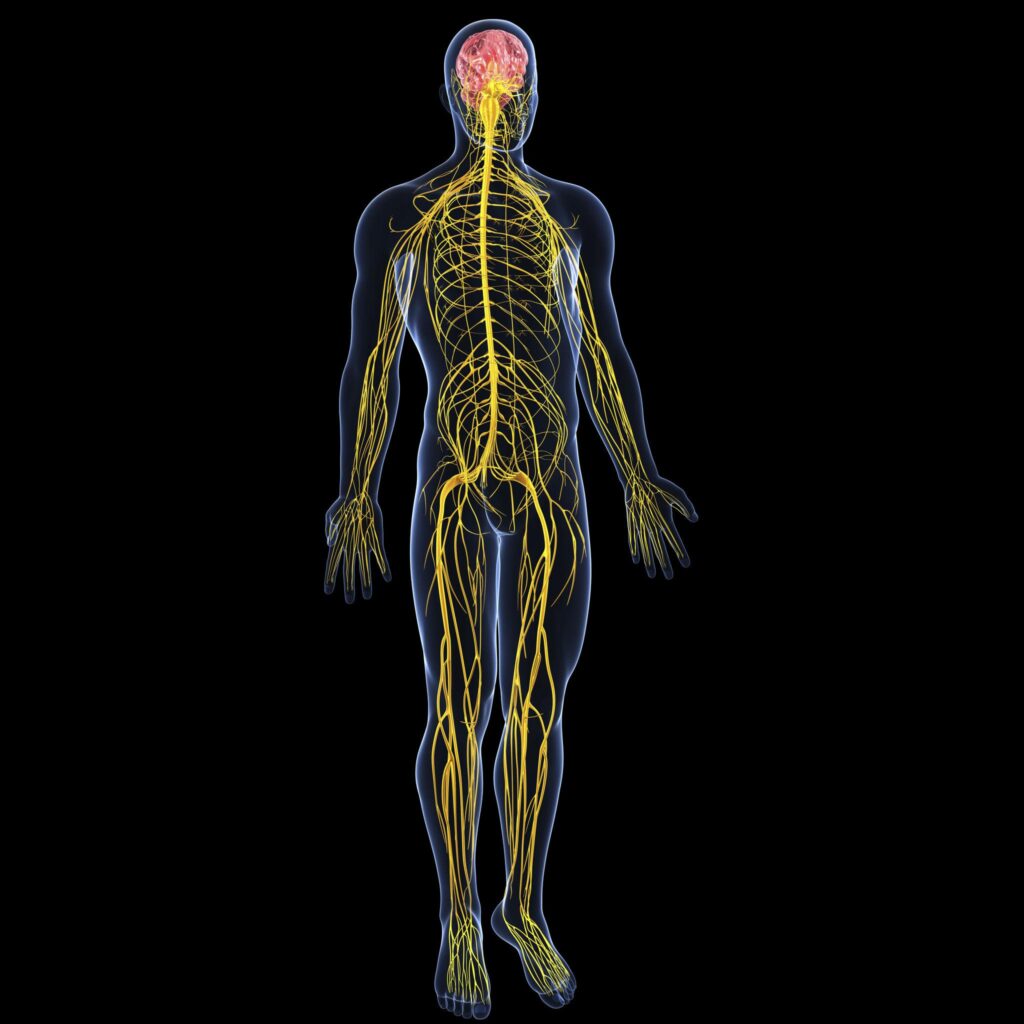
Vitamin B12 deficiency can damage nerves, leading to sensations such as:
- tingling in the hands
- numbness in the feet
- burning sensations
These symptoms occur because B12 is necessary for maintaining the protective coating around nerves.
4. Pale or Yellowish Skin
Low vitamin B12 may cause a reduction in healthy red blood cells, which can lead to pale skin.
In some cases, a slight yellow tint may also appear due to red blood cell breakdown.
5. Shortness of Breath
Because vitamin B12 deficiency affects red blood cell production, oxygen transport may be reduced.
This can cause:
- shortness of breath
- dizziness
- weakness during physical activity
6. Mood Changes
Vitamin B12 influences brain chemistry and neurotransmitter function.
Low levels may contribute to:
- mood changes
- irritability
- anxiety
- depression
Related guides:
- Vitamin B12 Benefits: Energy, Brain Function & Health Explained
- Best Vitamins for Energy (Science-Based Guide)
- Vitamin C
7. Poor Balance
Nerve damage caused by vitamin B12 deficiency may affect balance and coordination.
Some individuals may feel unsteady while walking.
8. Glossitis (Inflamed Tongue)
Vitamin B12 deficiency may cause inflammation of the tongue, known as glossitis.
Symptoms may include:
- a smooth or swollen tongue
- burning sensation
- mouth discomfort
9. Heart Palpitations
Some individuals with vitamin B12 deficiency experience a rapid heartbeat due to reduced oxygen delivery.
10. Headaches
Frequent headaches can occur when the brain does not receive adequate oxygen due to low red blood cell production.
11. Hair Loss
Low vitamin B12 levels may contribute to hair thinning or hair loss in some individuals.
Hair follicles require adequate nutrients to maintain healthy growth cycles.
Related guides:
12. Difficulty Sleeping
Vitamin B12 plays a role in regulating the body’s sleep-wake cycle.
Deficiency may contribute to sleep disturbances in some individuals.
- Best Supplements for Sleep: Evidence-Based Options That Help You Sleep Better
- Sleep Hygiene Checklist: Simple Steps for Better Sleep Every Night
- How to Sleep Better Naturally: Science-Based Ways to Improve Sleep
Causes of Vitamin B12 Deficiency
Several factors may contribute to low vitamin B12 levels.
Common causes include:
- vegetarian or vegan diets
- poor nutrient absorption
- digestive disorders
- aging
- certain medications
Because vitamin B12 absorption requires stomach acid and intrinsic factor, some individuals may struggle to absorb B12 efficiently.
Who Is Most at Risk?
People at higher risk of vitamin B12 deficiency include:
- vegetarians and vegans
- older adults
- individuals with digestive disorders
- people taking acid-reducing medications
How to Correct Vitamin B12 Deficiency
Treatment options depend on the severity of the deficiency.
Possible strategies include:
- increasing dietary intake of B12-rich foods
- vitamin B12 supplements
- vitamin B12 injections in severe cases
Consulting a healthcare professional is recommended for diagnosis and treatment.
FAQ
How long does it take to recover from vitamin B12 deficiency?
Recovery time varies depending on severity, but symptoms may begin improving within weeks after treatment.
Can vitamin B12 deficiency cause anxiety?
Low vitamin B12 may affect nervous system function and may contribute to mood changes.
What foods contain vitamin B12?
Animal foods such as meat, fish, eggs, and dairy are the main dietary sources.
Conclusion
Vitamin B12 deficiency can cause a wide range of symptoms affecting energy, brain function, nerves, and mood. Because symptoms often develop gradually, deficiency may go unnoticed for long periods.
Recognizing the warning signs early can help individuals seek proper treatment and restore healthy vitamin B12 levels.