
Nutrient Deficiency Symptoms: Common Signs of Low Vitamins and Minerals
Vitamins and minerals play critical roles in nearly every biological function in the body. They support energy production, nerve function, immune health, and hormone regulation.
When the body lacks essential nutrients, a wide range of symptoms can appear. These symptoms may develop gradually and are often mistaken for general fatigue, stress, or aging.
Understanding the warning signs of nutrient deficiencies can help identify potential problems early and guide dietary improvements or supplementation.
This guide explains the most common nutrient deficiency symptoms and the nutrients most often involved.

Common Symptoms of Nutrient Deficiencies
Certain symptoms frequently appear when the body lacks essential vitamins or minerals.
These symptoms may include:
- persistent fatigue
- hair thinning or hair loss
- poor concentration
- anxiety or mood changes
- sleep problems
- pale skin
- brittle nails
Because these symptoms can have many causes, identifying the specific deficiency often requires medical testing.
Iron Deficiency Symptoms
Iron deficiency is one of the most common nutrient deficiencies worldwide.
Iron plays a critical role in producing hemoglobin, which transports oxygen through the bloodstream.
Common symptoms include:
- fatigue and weakness
- pale skin
- dizziness
- shortness of breath
- hair loss
Vitamin B12 Deficiency Symptoms
Vitamin B12 supports nerve function and red blood cell production.
Low vitamin B12 levels may cause:
- brain fog
- fatigue
- numbness or tingling
- memory problems
- mood changes
See:
Vitamin B12 Deficiency Symptoms
Magnesium Deficiency Symptoms
Magnesium is involved in more than 300 biochemical reactions in the body.
Low magnesium levels may lead to:
- muscle cramps
- anxiety
- insomnia
- fatigue
- headaches
See:
Magnesium Deficiency Symptoms
Vitamin D Deficiency Symptoms
Vitamin D plays an important role in immune function, mood regulation, and bone health.
Low vitamin D levels may contribute to:
- fatigue
- low mood
- muscle weakness
- hair thinning
- sleep disturbances
See:
Vitamin D Deficiency Symptoms
Zinc Deficiency Symptoms
Zinc is essential for immune function, wound healing, and skin health.
Signs of low zinc levels may include:
- hair loss
- poor immune function
- slow wound healing
- loss of taste or smell
| Nutrient | Common Symptoms |
|---|---|
| Iron | Fatigue, pale skin, hair loss |
| Vitamin B12 | Brain fog, numbness |
| Magnesium | Muscle cramps, anxiety |
| Vitamin D | Fatigue, weak immunity |
| Zinc | Hair thinning, poor immunit |
Why Nutrient Deficiencies Occur
Several factors can contribute to low nutrient levels.
Common causes include:
- poor diet quality
- digestive disorders
- restricted diets
- aging
- certain medications
In many cases, deficiencies occur due to a combination of factors.
How to Prevent Nutrient Deficiencies
Preventing nutrient deficiencies usually involves maintaining a balanced diet and healthy lifestyle.
Helpful strategies include:
- eating a variety of whole foods
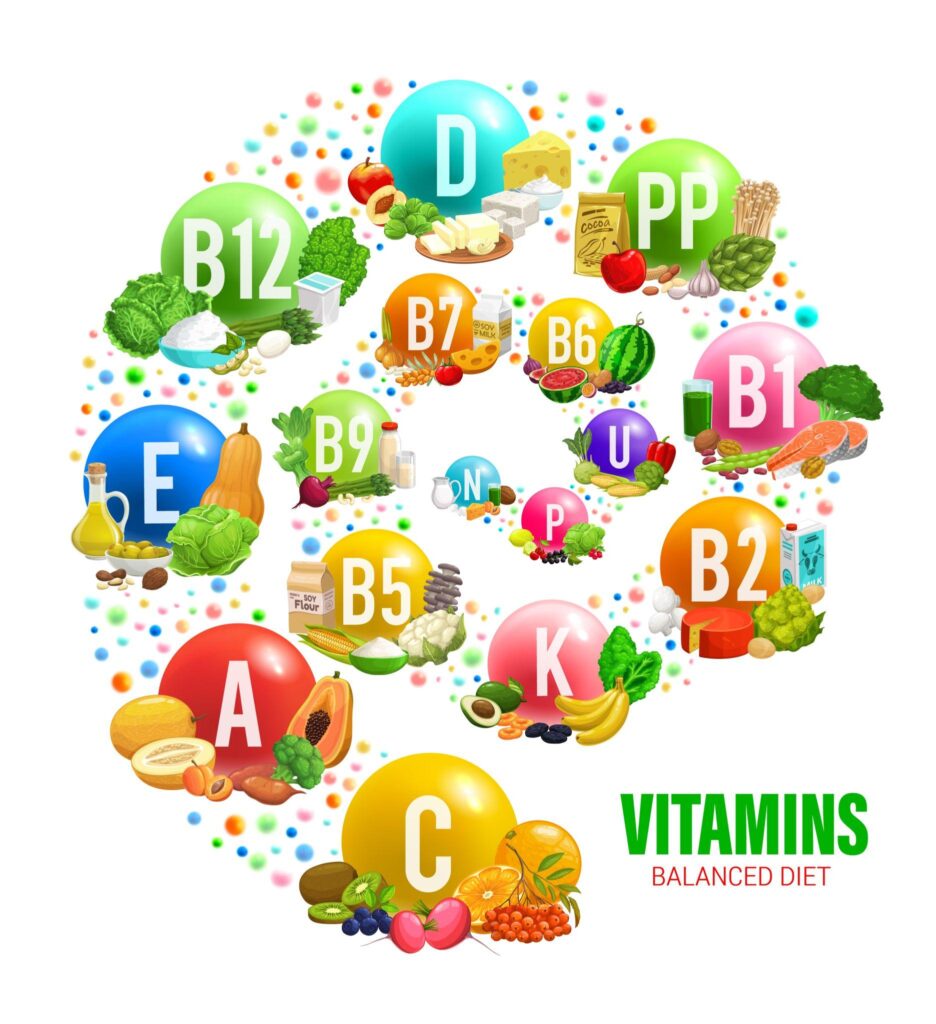
- including fruits, vegetables, nuts, and fish
- managing stress
- ensuring adequate sleep
In some cases, supplements may help correct specific deficiencies.
FAQ
What is the most common nutrient deficiency?
Iron deficiency is the most common nutrient deficiency worldwide.
Can nutrient deficiencies cause fatigue?
Yes. Many deficiencies—including iron, vitamin B12, and vitamin D—can cause fatigue.
Can supplements correct nutrient deficiencies?
Supplements may help restore nutrient levels when dietary intake is insufficient.
Conclusion
Nutrient deficiencies can affect energy levels, mood, hair health, sleep, and overall wellbeing. Because symptoms often develop gradually, they may go unnoticed for long periods.
Recognizing the warning signs of low vitamins and minerals can help individuals address potential deficiencies and maintain optimal health.
What are the common signs of nutrient deficiencies?
Fatigue, hair loss, brain fog and weakened immunity.
Which deficiencies cause fatigue?
Iron, vitamin B12, vitamin D, and magnesium deficiencies are commonly linked to fatigue.
Which nutrient deficiencies are most common?
Iron, vitamin D, vitamin B12, and magnesium deficiencies are among the most common worldwide.
Can multiple deficiencies occur at the same time?
Yes, it is common for individuals to have more than one nutrient deficiency, especially with