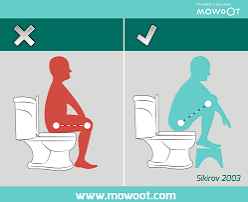
Constipation: Causes, Symptoms and Evidence-Based Solutions
Constipation is one of the most common digestive complaints and affects people of all ages. It is generally characterized by infrequent bowel movements, difficulty passing stools, hard stools, or a feeling of incomplete evacuation.
Occasional constipation is common and often related to diet, hydration, physical activity, medications, or temporary lifestyle changes. However, chronic constipation may significantly affect quality of life and sometimes indicates an underlying medical condition.
Understanding the potential causes can help identify effective solutions and support healthy digestive function.
What Is Constipation?
Constipation is commonly defined as:
- Fewer than three bowel movements per week
- Hard, dry, or lumpy stools
- Straining during bowel movements
- Feeling that the bowel is not completely emptied
- Difficulty passing stool
Symptoms vary considerably between individuals.
Common Symptoms of Constipation
- Infrequent bowel movements
- Hard stools
- Straining
- Abdominal bloating
- Abdominal discomfort
- Feeling of incomplete evacuation
- Excessive gas
- Reduced appetite
- Nausea in severe cases
Common Causes of Constipation
Low Fiber Intake
Dietary fiber helps add bulk and softness to stool.
Low intake of:
- fruits
- vegetables
- legumes
- whole grains
may contribute to constipation.
Dehydration
Water helps keep stool soft and easier to pass.
Insufficient fluid intake may contribute to:
- hard stools
- difficult bowel movements
- worsening constipation
Lack of Physical Activity
Regular movement stimulates intestinal motility.
Sedentary lifestyles may contribute to slower bowel transit.
Stress and the Gut-Brain Connection
The digestive system is closely connected to the nervous system.
Chronic stress may affect:
- bowel motility
- digestion
- gut sensitivity
Some individuals experience constipation during stressful periods.
Medications
Several medications may contribute to constipation, including:
- opioid pain medications
- iron supplements
- certain antidepressants
- some blood pressure medications
- calcium supplements
Hormonal Factors
Hormonal fluctuations may affect digestion.
Constipation is commonly reported:
- before menstruation
- during pregnancy
- during hormonal changes
Gut Microbiome Imbalance
The gut microbiome plays an important role in digestive function.
Alterations in gut bacteria may contribute to:
- bloating
- irregular bowel habits
- constipation
Evidence-Based Solutions for Constipation
Increase Fiber Intake Gradually
Fiber helps retain water in the stool and supports bowel regularity.
Good sources include:
- oats
- chia seeds
- flaxseeds
- fruits
- vegetables
- legumes
Increasing fiber too quickly may temporarily worsen bloating.
Improve Hydration
Adequate fluid intake is essential when increasing fiber intake.
Hydration supports:
- stool softness
- bowel regularity
- digestive function
Increase Physical Activity
Regular walking and exercise may improve intestinal motility.
Even moderate daily activity may support bowel regularity.
Establish Consistent Bathroom Habits
Responding promptly to the urge to have a bowel movement may help prevent worsening constipation.
Manage Stress
Stress reduction techniques may support digestive health through the gut-brain connection.
Supplements Commonly Used for Constipation Support
Psyllium Husk
👉 Role:
Soluble fiber that helps increase stool bulk and improve bowel regularity.
Most relevant in:
- chronic constipation
- low fiber intake
Magnesium Citrate
👉 Role:
Draws water into the intestines and may support bowel movements.
Most relevant in:
- occasional constipation
- hard stools
Note: Magnesium citrate differs from magnesium glycinate and is commonly used for digestive support.
Partially Hydrolyzed Guar Gum (PHGG)
👉 Role:
Prebiotic fiber that may support bowel regularity and beneficial gut bacteria.
Most relevant in:
- constipation with bloating
- gut microbiome support
Probiotic Blends
👉 Role:
Support gut microbiome balance.
Most relevant strains studied for digestive support include:
- Bifidobacterium lactis
- Lactobacillus plantarum
- Bifidobacterium longum
Most relevant in:
- constipation with bloating
- irregular bowel habits
Kiwi Fruit Powder
👉 Role:
Research suggests kiwi may support bowel regularity and digestive comfort.
Most relevant in:
- mild constipation
- digestive support
Digestive Enzyme + Probiotic Combinations
👉 Role:
May support digestion and reduce digestive discomfort in some individuals.
Most relevant in:
- bloating
- fullness after meals
- digestive sluggishness
Short-Term Laxative Supplements
In some situations, short-term use of laxative supplements may help relieve constipation.
These products are generally intended for occasional use rather than long-term daily use.
Senna
Senna is a stimulant laxative that increases intestinal muscle contractions and helps promote bowel movements.
Most relevant in:
- occasional constipation
- short-term bowel irregularity
Possible side effects:
- abdominal cramping
- diarrhea
- electrolyte loss with excessive use
Cascara Sagrada
Traditional herbal stimulant laxative.
Most relevant in:
- occasional constipation
Not recommended for prolonged use without medical supervision.
Aloe Latex
Certain aloe preparations contain compounds with stimulant laxative effects.
Potential side effects include:
- cramping
- diarrhea
- electrolyte disturbances
Magnesium Citrate
Unlike stimulant laxatives, magnesium citrate works primarily by drawing water into the intestines.
Most relevant in:
- hard stools
- occasional constipation
Polyethylene Glycol (PEG)
Commonly used osmotic laxative that increases water content in the stool.
Often recommended for:
- chronic constipation
- long-term management under medical guidance
Fiber Plus Laxative Combinations
Some products combine:
- psyllium
- prebiotics
- magnesium
- herbal laxatives
These combinations may provide both short-term and longer-term digestive support.
Important Note
Frequent or persistent constipation should be medically evaluated. Reliance on stimulant laxatives alone may not address the underlying cause.
Comparison: Occasional vs Chronic Constipation
Occasional Constipation
- Travel-related
- Temporary dietary changes
- Mild dehydration
- Short-term stress
Often improves with lifestyle adjustments.
Chronic Constipation
- Symptoms lasting weeks or months
- Frequent straining
- Ongoing discomfort
- Significant impact on quality of life
May require medical evaluation.
Evidence Summary
Research suggests that fiber intake, hydration, physical activity, gut microbiome composition, and bowel habits all influence constipation risk.
Psyllium husk has some of the strongest evidence among fiber supplements for improving bowel regularity.
Certain probiotic strains may also support digestive function and bowel frequency in some individuals.
What is the most common cause of constipation?
Low fiber intake, dehydration, lack of physical activity, and certain medications are among the most common causes.
Can stress cause constipation?
Yes. Stress may affect gut motility through the gut-brain connection.
Does magnesium help constipation?
Magnesium citrate may help draw water into the intestines and support bowel movements.
Which probiotics may help constipation?
Research has investigated strains such as Bifidobacterium lactis, Lactobacillus plantarum, and Bifidobacterium longum.
Can iron supplements cause constipation?
Yes. Iron supplements are a common cause of constipation in some individuals.
How much fiber should I consume?
Most adults benefit from approximately 25–38 grams of fiber daily, depending on age and sex.
When to Seek Medical Advice
Medical evaluation is recommended if constipation is associated with:
- Blood in the stool
- Unexplained weight loss
- Severe abdominal pain
- Persistent symptoms
- Sudden changes in bowel habits
- Iron deficiency anemia
Clinical Considerations
Constipation may result from dietary, lifestyle, hormonal, medication-related, or gastrointestinal factors.
Supplements may support digestive health and bowel regularity but do not replace medical evaluation, diagnosis, or treatment.
Persistent or severe constipation should be assessed by a qualified healthcare professional.
Related Guides
- Why Am I Bloated All the Time?
- Best Probiotics for Bloating
- Gut Health and the Microbiome
- Magnesium Citrate vs Magnesium Glycinate
- Digestive Enzymes: Benefits and Uses
References
- National Institutes of Health (NIH) — Dietary Fiber and Digestive Health
- American Gastroenterological Association — Constipation Guidelines
- PubMed — Psyllium for Chronic Constipation
- PubMed — Probiotics and Functional Constipation
- Harvard Health — Constipation Causes and Treatment
- Cleveland Clinic — Chronic Constipation Overview
- World Gastroenterology Organisation — Constipation Practice Guidelines