
Why You’re Always Tired (And What Actually Helps)
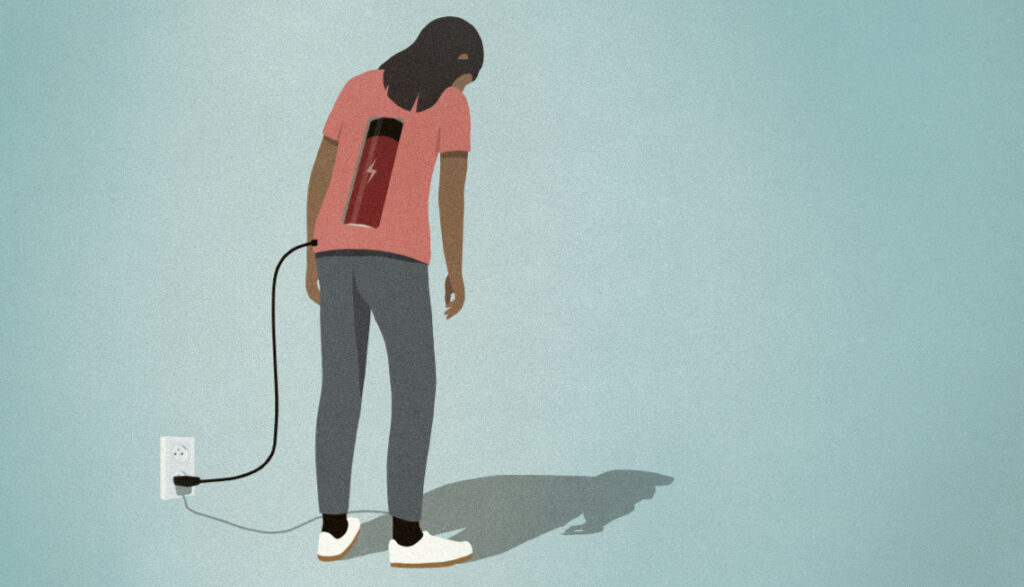
Fatigue is one of the most common health complaints, often linked to nutrient deficiencies, poor sleep, or chronic stress. While lifestyle factors play a major role, certain vitamins and minerals can help support energy production and reduce tiredness.
Fatigue is not a single condition but a symptom with multiple possible causes, including nutrient deficiencies, sleep disruption, stress, and metabolic factors.
The effectiveness of supplements depends largely on identifying the underlying cause rather than using a general approach.
Fatigue-related benefits from supplements are most evident in individuals with nutrient deficiencies or increased physiological demand.
This guide covers the best supplements for fatigue, how they work, and when to consider using them.
What Causes Fatigue?
Fatigue can be caused by several factors, including:
- Iron deficiency
- Low vitamin B12
- Poor sleep quality
- High stress (cortisol imbalance)
- Low vitamin D levels
Related guides:
How Supplements May Influence Fatigue
Nutritional supplements may support energy levels through different mechanisms:
- Supporting oxygen transport (iron, vitamin B12)
- Enhancing mitochondrial energy production (magnesium, CoQ10)
- Regulating nervous system function (magnesium)
- Supporting immune and metabolic balance (vitamin D)
👉 Targeting the correct mechanism is more effective than using multiple supplements without a clear reason.
Nutritional Supplements for Fatigue
🟥 Iron
Iron deficiency is one of the most common causes of fatigue.
👉 Supports oxygen transport and energy levels.
- Iron Dosage: How Much Iron Should You Take Daily? (Safe Guide)
- Iron Deficiency Symptoms: 12 Signs Your Body May Be Low in Iron
- Iron Side Effects: Signs of Too Much Iron & Toxicity Risks
- Iron-Rich Foods: Best Dietary Sources of Iron (Complete List)
- BEST IRON SUPPLEMENTS (TOP PICKS)
Example supplements:
Vitamin B12
Vitamin B12 plays a key role in red blood cell production and energy metabolism.
Low levels can lead to weakness and tiredness.
Vitamin B12 Deficiency Symptoms (Complete Guide)
Comparison: Magnesium vs Vitamin B12 (Energy Support)
Magnesium:
- Supports energy production and nervous system regulation
- Evidence: Moderate
- Most relevant in: Stress-related fatigue, poor sleep
Vitamin B12:
- Supports red blood cell formation and neurological function
- Evidence: Strong (in deficiency)
- Most relevant in: Deficiency-related fatigue
👉 Interpretation:
Magnesium is more relevant for stress-related fatigue, while vitamin B12 is critical in deficiency-related fatigue affecting energy and neurological function.
Example supplements:
Magnesium
Magnesium supports energy production and helps reduce fatigue linked to stress and poor sleep.
Comparison:Magnesium vs Vitamin D (Fatigue and Recovery)
Magnesium:
- Supports energy metabolism and nervous system regulation
- Evidence: Moderate
- Most relevant in: Stress-related fatigue, poor sleep
Vitamin D:
- Supports immune and metabolic function
- Evidence: Moderate (strong in deficiency)
- Most relevant in: Low sun exposure, low mood
👉 Interpretation:
Magnesium is more relevant for stress and sleep-related fatigue, while vitamin D is more relevant in deficiency-related fatigue and low mood.
Example products:
- Doctor’s Best High Absorption Magnesium Glycinate
- NOW Foods Supplements, Magnesium Bisglycinate Powder
Vitamin D
Low vitamin D levels are associated with fatigue and low mood.
Example products:
🟣 CoQ10 (Coenzyme Q10)
CoQ10 plays a key role in mitochondrial energy production.
👉 Mechanism:
- Supports ATP production
- Acts as an antioxidant
👉 Evidence:
- Limited to moderate evidence for fatigue improvement
👉 Most relevant in:
- Low energy states
- Aging-related fatigue
👉 What to look for:
- Ubiquinone or ubiquinol form
- 100–200 mg daily
CoQ10 is often used for energy support, particularly when fatigue is not clearly linked to deficiency.
Vitamin C
Vitamin C helps reduce fatigue by supporting iron absorption and reducing oxidative stress.
Comparison: Iron vs Vitamin B12 (Fatigue Causes)
Different nutrients support energy through different mechanisms.
Iron:
- Supports oxygen transport (hemoglobin)
- Evidence: Strong (in deficiency)
- Most relevant in: Low ferritin, anemia
- Supports red blood cell formation and neurological function
- Evidence: Strong (in deficiency)
- Most relevant in: B12 deficiency, neurological fatigue
👉 Interpretation:
Iron-related fatigue is typically linked to oxygen delivery, while B12-related fatigue may include neurological symptoms such as weakness, brain fog, or tingling.
🔹 How to Choose the Right Supplement
Choosing the right supplement depends on the cause of fatigue:
- Low iron → iron supplementation
- Neurological fatigue → Vitamin B12
- Poor sleep → magnesium
- Low sunlight → vitamin D
- General fatigue → combination approach
👉 Address the root cause for best results.
Evidence summary:
Evidence supports benefit primarily in deficiency-related fatigue. Effects depend on underlying cause and may be limited in the absence of deficiency.
🔹 When to See a Doctor
Persistent fatigue may indicate an underlying condition.
👉 Consider testing for:
- Iron levels
- Vitamin B12
- Vitamin D
Ongoing or unexplained fatigue may indicate an underlying condition. Supplements can support energy, but medical evaluation is recommended if symptoms persist.
Choose the Right Supplement for Fatigue
👉 Based on symptoms:
✔ Low iron → Iron
✔ Neurological fatigue → Vitamin B12
✔ Stress-related fatigue → Magnesium
✔ Low sun exposure → Vitamin D
✔ General low energy → CoQ10
👉 Choosing supplements based on the cause of fatigue leads to better outcomes.
➡️ Compare evidence-based supplements for energy support
- Floradix Iron & Herbs – Liquid Herbal Supplement for Energy Support
- NOW Foods Supplements, Iron 18 mg
- Solgar Gentle Iron
- Solgar Vitamin B12 1000 mcg
- Vitamin B12 by Nature’s Bounty
Evidence summary:
Evidence supports the use of specific supplements for fatigue primarily in deficiency-related or condition-specific contexts. Effects are generally modest and depend on identifying the underlying cause of fatigue.
When to Seek Medical Advice
Persistent or unexplained fatigue may indicate an underlying medical condition rather than a nutritional issue.
👉 Consider consulting a healthcare professional if you experience:
- Fatigue lasting more than several weeks
- Severe or worsening symptoms
- Fatigue with dizziness, shortness of breath, or palpitations
- Unintentional weight loss or other unusual symptoms
👉 Testing may include:
- Iron levels (ferritin)
- Vitamin B12
- Vitamin D
- Thyroid function
Identifying the underlying cause is essential, as supplementation alone may not address all cases of fatigue.
Clinical Note
This content is for informational purposes only and does not constitute medical advice.
Nutritional supplements may support physiological functions but are not a substitute for professional medical evaluation, diagnosis, or treatment.
If symptoms are persistent, severe, or unclear, consultation with a qualified healthcare professional is recommended.
Reference:
- National Institutes of Health (NIH) — Iron and energy metabolism
- National Institutes of Health (NIH) — Vitamin B12 fact sheet
- Harvard Health — Causes of fatigue and energy regulation
- Office of Dietary Supplements — Magnesium overview
Related guides: