
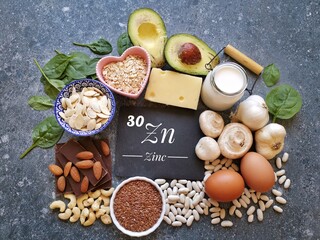
Zinc: Benefits, Dosage, Deficiency & Best Supplements (Complete Guide)
Zinc is an essential mineral that supports immune function, skin health, and hair growth. It also plays a key role in wound healing, hormone regulation, and overall cellular function.
This guide covers zinc benefits, deficiency symptoms, dosage, and how to choose the best supplements.
🔹 Zinc Benefits
- Supports immune system
- Promotes hair growth
- Helps wound healing
- Supports skin health
Related guides:
- Best Supplements for Hair Growth
- Best Zinc Supplements for Immune Support and Hair Health
- Vitamin D and the Immune System
🔹 Zinc Deficiency
Low zinc levels can cause:
- Hair loss
- Weak immunity
- Slow healing
- Fatigue
See: Zinc Deficiency Symptoms: Signs Your Body May Be Low in Zinc
🔹 Zinc Dosage
- Men: 11 mg/day
- Women: 8 mg/day
See:
- Zinc Dosage: How Much Should You Take Daily? (Safe Guide)
- Can You Take Too Many Vitamins? (Overdose & Safety Guide)
- Best Zinc Supplements for Immune Support and Hair Health
- Best Zinc Supplements: What Works, What to Choose (Evidence-Based Guide)
Related guides:
- Zinc Benefits: Immunity, Hair Growth & Health Explained
- Zinc Dosage: How Much Should You Take Daily? (Safe Guide)
- Zinc and Hair Growth: Does Zinc Help Prevent Hair Loss?
- Zinc Benefits: Immunity, Hair Growth & Health Explained
What is the best time to take zinc?
Zinc is best taken with food to reduce stomach discomfort. Avoid taking it with calcium or iron supplements, as they may reduce absorption.
Can you take zinc every day?
Yes, zinc can be taken daily within recommended doses. Long-term intake should not exceed 40 mg per day unless advised by a healthcare professional.
How long does it take for zinc to work?
Zinc may start supporting immune function within days, but noticeable effects (such as hair growth or reduced deficiency symptoms) may take several weeks.
Is zinc good for hair loss?
Zinc plays a role in hair follicle health, and deficiency may contribute to hair loss. Supplementation may help if levels are low.
Can zinc cause side effects?
Yes, high doses of zinc can cause nausea, stomach pain, and long-term nutrient imbalances.
What is the best form of zinc?
Zinc picolinate and zinc citrate are commonly recommended due to good absorption.
This article is based on current scientific evidence and general nutritional guidelines.