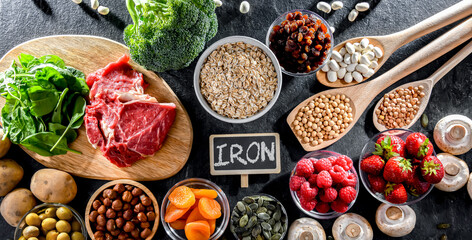
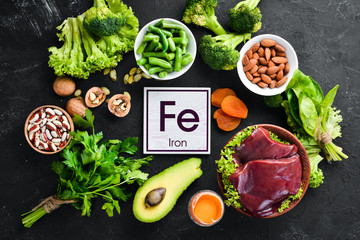
Iron: Benefits, Dosage, Deficiency & Best Supplements (Complete Guide)
Iron is an essential mineral that plays a critical role in oxygen transport, energy production, and cognitive function. Low iron levels can lead to fatigue, weakness, and reduced performance, while excessive intake may cause serious health risks.
This guide covers everything you need to know about iron, including its benefits, deficiency symptoms, proper dosage, side effects, and how to choose the best supplements.
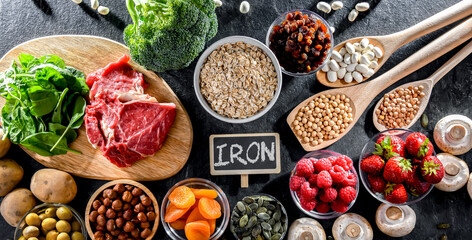
Iron Benefits
Iron is essential for multiple biological functions in the body:
- Helps transport oxygen through hemoglobin
- Supports energy production
- Contributes to normal brain function
- Supports immune health
Iron is especially important for individuals with increased needs, such as women, athletes, and people with restricted diets.
Iron Deficiency Symptoms
Iron deficiency is one of the most common nutrient deficiencies worldwide and can significantly affect quality of life.
Common symptoms:
- Fatigue and low energy
- Weakness
- Pale skin
- Shortness of breath
- Hair loss
- Poor concentration
Iron Deficiency Symptoms: 12 Signs Your Body May Be Low in Iron
Iron Dosage & Requirements
Getting the correct amount of iron is essential for maintaining healthy levels.
Recommended intake:
- Men: 8 mg/day
- Women (19–50): 18 mg/day
- Pregnant women: 27 mg/day
Higher doses may be needed in cases of deficiency, but this should be guided by blood tests.
Iron Dosage: How Much Iron Should You Take Daily? (Safe Guide)
Iron & Vitamin C Absorption
Vitamin C plays a key role in improving iron absorption, especially from plant-based (non-heme) sources.
Taking iron together with vitamin C can significantly increase absorption and reduce the risk of deficiency.
This is particularly important for:
- Vegetarians and vegans
- Individuals with low iron levels
- People using iron supplements
Related guides:
Iron Side Effects & Safety
While iron is essential, excessive intake can lead to side effects and potential toxicity.
Common side effects:
- Nausea
- Constipation
- Stomach discomfort
- Dark stools
⚠️ High doses of iron can be dangerous, especially in children, and should only be taken when needed.
For more on the topic see:
Iron Side Effects: Signs of Too Much Iron & Toxicity Risks
Why Iron Supplements Cause Constipation (and How to Fix It)
Best Iron Supplements
Choosing the right type of iron supplement is important for both effectiveness and tolerance.
Well-absorbed forms such as iron bisglycinate are often preferred due to fewer digestive side effects.
- BEST IRON SUPPLEMENTS (TOP PICKS)
- How Long Does It Take to Fix Iron Deficiency? (Recovery Timeline Guide)
- Iron Deficiency and Hair Loss: Can Low Iron Cause Hair Thinning?
- Iron-Rich Foods: Best Dietary Sources of Iron (Complete List)
- Vitamins for Low Energy in Women: What to Take for Fatigue & Weakness
- Best Time to Take Vitamins: Morning or Night? (Complete Guide)
This article is based on current scientific evidence and general nutritional guidelines.