Vitamin C: Benefits, Dosage, Immunity & Best Sources (Complete Guide)
Vitamin C is a powerful antioxidant that supports immune function, skin health, and iron absorption. It plays a critical role in protecting cells from oxidative stress and helping the body maintain overall health.
Because the body cannot produce or store vitamin C efficiently, regular intake through diet or supplements is essential.
This guide covers everything you need to know about vitamin C, including its benefits, recommended dosage, deficiency symptoms, and how it improves iron absorption.
Vitamin C Benefits
Vitamin C supports multiple systems in the body and is essential for daily health.
Key benefits:
- Supports immune function
- Acts as a powerful antioxidant
- Helps collagen production (skin, joints)
- Improves iron absorption
- May reduce fatigue
Vitamin C & Iron Absorption
Vitamin C significantly improves the absorption of non-heme iron (plant-based iron), making it essential for people with low iron levels or deficiency.
Taking vitamin C together with iron supplements can increase absorption and reduce the need for higher doses.
- Iron Dosage: How Much Iron Should You Take Daily? (Safe Guide)
- Iron Side Effects: Signs of Too Much Iron & Toxicity Risks
- BEST IRON SUPPLEMENTS (TOP PICKS)
- Iron Deficiency Symptoms: 12 Signs Your Body May Be Low in Iron
Vitamin C Deficiency Symptoms
Low vitamin C levels can lead to noticeable symptoms over time.
Common symptoms:
- Fatigue
- Weak immune system
- Easy bruising
- Slow wound healing
- Dry skin
Vitamin C Dosage & Safety
Getting the right amount of vitamin C is important for optimal health.
General guidelines:
- Adults: 75–90 mg/day
- Higher doses may be used for specific needs
Vitamin C is generally safe, but very high doses may cause digestive discomfort.
- Vitamin C Dosage: How Much Should You Take Daily? (Safe Guide)
- Can You Take Too Many Vitamins? (Overdose & Safety Guide)
Vitamin C and Medications: Interactions and Safety Guide
Vitamin C is widely used for immune support and antioxidant protection. While generally safe, it can interact with certain medications and affect their action.
How Vitamin C Interacts with Medications
Vitamin C can:
- Affect drug absorption
- Alter urine acidity
- Influence drug metabolism
Common Interactions
1. Iron Supplements
Vitamin C increases iron absorption.
👉 This may be beneficial, but:
- Excess iron absorption may cause issues in some individuals
2. Antacids Containing Aluminum
Vitamin C may increase aluminum absorption.
3. Blood Thinners
High doses may influence blood clotting mechanisms.
4. Chemotherapy Drugs
Vitamin C may interfere with certain treatments (context-dependent).
Is Vitamin C safe?
👉 Generally safe at moderate doses
👉 High doses require caution
Practical Advice
- Avoid very high doses unless necessary
- Monitor for unusual effects
Bottom Line
Vitamin C is usually safe but can influence the absorption and action of certain medications, especially at higher doses.
Best Sources of Vitamin C
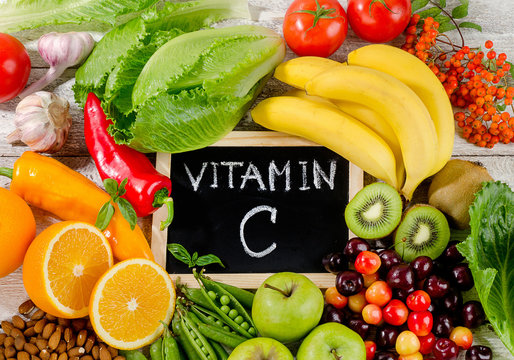
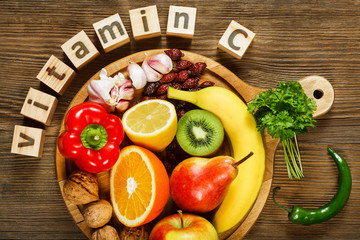
Vitamin C is found in many fruits and vegetables.
Top sources:
- Oranges
- Kiwi
- Strawberries
- Bell peppers
- Broccoli
- Foods for Hair Growth: Best Nutrients for Healthy Hair

This article is based on current scientific evidence and general nutritional guidelines.