Best Supplements for Cortisol and Stress: What Works and How to Choose
Stress is a natural response that helps the body react to challenges.
Chronic stress can lead to elevated cortisol levels, affecting sleep, mood, energy, and overall health. Managing cortisol is essential for reducing stress-related symptoms and improving long-term wellbeing.
Many people turn to natural supplements to help support the body’s stress response and promote relaxation.
Why Stress Affects the Body
When the body experiences stress, it releases hormones such as cortisol and adrenaline.
While this response is helpful in short-term situations, chronic stress can lead to:
- fatigue
- anxiety
- poor sleep
- weakened immune function
- hormonal imbalance
Supporting the nervous system and stress response may help improve overall wellbeing.
See: How to Lower Cortisol Naturally
Certain supplements may help regulate the stress response, support adrenal function, and promote relaxation.
Do Supplements Really Help Stress?
Some supplements may help reduce stress by:
- Supporting nervous system balance
- Regulating cortisol (stress hormone)
- Supporting brain function
- Improving sleep quality
- Reducing inflammation
However:
Supplements may support stress management.
They do not replace medical treatment or lifestyle changes.
Exercise, sleep, and stress management techniques remain essential.
What are the supplements wih supporting evidence for cortisol and stress?
The best supplements for cortisol and stress include:
- Ashwagandha → best overall for lowering cortisol
- Magnesium → best for stress and sleep
- Rhodiola → best for stress with fatigue
- L-theanine → best for fast calming effect
- Omega-3 → best for long-term stress support
Choosing the right supplement depends on your stress pattern and symptoms.
What is cortisol and why it matters
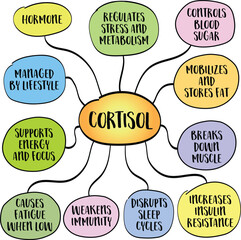
Cortisol is the body’s main stress hormone.
👉 When elevated long-term, it may lead to:
- Anxiety
- Sleep problems
- Fatigue
- Weight gain
- Brain fog
👉 Supporting cortisol balance may improve both mental and physical health.
- How to Lower Cortisol Naturally (Evidence-Based Guide)
- Magnesium and Cortisol: How Magnesium Affects Stress Hormones
Commonly used Supplements for Stress
👉 Choose based on your symptoms:
- High cortisol → Ashwagandha
- Stress + poor sleep → Magnesium
- Burnout → Rhodiola
- Fast calming effect → L-theanine
- Long-term stress → Omega-3
👉 Matching the supplement to your symptoms improves results.
Supplement options for cortisol and stress
Ashwagandha — Best Overall for Cortisol Reduction
👉 Mechanism:
- Reduces cortisol levels
- Supports stress adaptation
👉 Clinical benefits:
- May reduce stress and anxiety
- Improves resilience
👉 May be useful for:
- Chronic stress
- High cortisol
👉 What to look for:
- Standardized extract (e.g., KSM-66 or Sensoril)
- 300–600 mg daily dosage
- Clearly labeled withanolide content
High-quality ashwagandha supplements are more effective for reducing cortisol:
- Nutricost KSM-66 Ashwagandha Root Extract 600mg
- Himalaya Organic Ashwagandha, 60ct for Energy Support
Related articles:
- Ashwagandha and Antidepressants: Is It Safe to Combine Them?
- How to Lower Cortisol Naturally (Evidence-Based Guide)
- Stress and Hair Loss: Can Stress Cause Hair Thinning?
Magnesium — Best for Stress and Relaxation
👉 Mechanism:
- Supports nervous system
- Reduces stress response
👉 Clinical benefits:
- Improves sleep
- Reduces tension
👉 Potential use for:
- Stress + poor sleep
👉 What to look for:
- Magnesium glycinate or bisglycinate
- 100–200 mg elemental magnesium per dose
- Gentle, well-absorbed form
Magnesium is especially useful for stress combined with sleep problems.
- NOW Foods Supplements, Magnesium Glycinate 100 mg
- Doctor’s Best High Absorption Magnesium Glycinate Lysinate
More on Magnesium here:
- Magnesium and Medication Interactions: What You Should Know
- Best Magnesium Supplements
- Magnesium-Rich Foods: Top Dietary Sources of Magnesium
Rhodiola Rosea — Best for Stress and Fatigue
👉 Mechanism:
- Modulates stress response
- Improves energy
👉 Clinical benefits:
- Reduces fatigue
- Improves mental performance
👉 May help for:
- Burnout
- Stress with fatigue
👉 What to look for:
- Standardized extract (3% rosavins, 1% salidroside)
- Taken in the morning
- Avoid late-day use (may be stimulating)
Rhodiola is best for fatigue-related stress.
Related articles:
- Best Supplements for Stress: Evidence-Based Options That Help You Stay Calm
- Why Do I Have Brain Fog? (Causes and Nutritional Factors)
Comparison: Adaptogens vs Nervous System Support
Ashwagandha:
- Modulates stress response (HPA axis)
- Evidence: Moderate
- Most relevant in: Chronic stress
Rhodiola:
- Supports energy and resilience
- Evidence: Moderate
- Most relevant in: Stress with fatigue
Magnesium:
- Supports nervous system regulation
- Evidence: Moderate
- Most relevant in: Stress + sleep issues
👉 Interpretation:
Adaptogens help regulate stress response, while magnesium supports physiological relaxation.
L-Theanine — Best for Fast Calm Effect
👉 Mechanism:
- Promotes relaxation without sedation
👉 Clinical benefits:
- Reduces stress
- Improves focus
👉 Potential use for:
- Acute stress
- Situational anxiety
👉 What to look for:
- 100–200 mg per dose
- Can be combined with caffeine or taken alone
L-theanine provides a fast calming effect without sedation.
Phosphatidylserine — Targeted Cortisol Support
👉 Mechanism:
- Helps regulate cortisol levels
👉 Clinical benefits:
- May reduce cortisol spikes
👉 May help for:
- High cortisol patterns
- Evening stress
Comparison: Cortisol Regulation vs General Stress Support
Ashwagandha:
- Reduces cortisol levels
- Evidence: Moderate
- Most relevant in: High cortisol
Phosphatidylserine:
- May blunt cortisol spikes
- Evidence: Limited to moderate
- Most relevant in: Evening cortisol
Magnesium:
- Supports stress regulation
- Evidence: Moderate
- Most relevant in: Stress + sleep
👉 Interpretation:
Cortisol-targeted supplements differ from general stress support by focusing on hormonal regulation.
Omega-3 Fatty Acids — Stress and Inflammation Support
👉 Mechanism:
- Reduces inflammation
- Supports brain function
👉 Clinical benefits:
- Improves mood
- Supports stress resilience
👉 What to look for:
- At least 500–1000 mg EPA + DHA
- High EPA for stress and inflammation
- Purified, high-quality oil
Omega-3 supports long-term stress resilience and brain health.
For more on the topic see:
Which supplement should you choose?
👉 Based on symptoms:
- High cortisol → Ashwagandha
- Stress + fatigue → Rhodiola
- Stress + insomnia → Magnesium
- Acute stress → L-theanine
- Chronic stress → Omega-3
Can you combine supplements?
👉 Effective combinations:
- Ashwagandha + magnesium
- Rhodiola (morning) + ashwagandha (evening)
- Magnesium + L-theanine
👉 Avoid:
- Taking multiple stimulating supplements together
Which stress supplement should you choose?
👉 Based on your symptoms:
- Constant stress / high cortisol → Ashwagandha
- Stress + insomnia → Magnesium
- Stress + fatigue → Rhodiola
- Acute stress → L-theanine
- Chronic stress → Omega-3
👉 Choosing the right supplement for your specific pattern is more effective than taking multiple supplements randomly.
How to choose a high-quality stress supplement
Look for:
- Standardized herbal extracts
- Clinically supported dosages
- Transparent labeling
- Reputable brands
High-quality supplements are more effective and better tolerated.
Safety considerations
- Start with one supplement
- Monitor response
- Adjust based on symptoms
Using the right supplement consistently, combined with proper lifestyle support, can significantly improve stress resilience and cortisol balance over time.
Choosing a well-formulated supplement can improve results and reduce side effects.
👉 Compare high-quality options based on absorption, dosage, and formulation.
- Cortisol Supplement for Women
- Futurebiotics Chill Pill + Ashwagandha
- NOW Foods Supplements, Adrenal Stress Support
- OLLY Ultra Strength Goodbye Stress Softgels
When to Seek Medical Advice
Chronic stress and persistent symptoms may require medical evaluation.
👉 Consider consulting a healthcare professional if you experience:
- Ongoing anxiety or mood disturbances
- Severe fatigue or burnout
- Sleep disruption that does not improve
- Symptoms affecting daily functioning
Stress-related symptoms may overlap with medical or psychological conditions requiring professional support.
Related Guides
- Best supplements for anxiety
- Magnesium and stress
- Rhodiola and ashwagandha combination
- Supplements that cause anxiety
Bottom Line
Supplements such as ashwagandha, magnesium, rhodiola, and L-theanine may help support cortisol balance and reduce stress. Choosing the right supplement depends on your symptoms and stress pattern.
What is the best supplement to lower cortisol?
Ashwagandha is one of the most effective supplements for reducing cortisol.
Does magnesium reduce cortisol?
Magnesium may help regulate the stress response and support relaxation.
Is rhodiola good for stress?
Yes, rhodiola may help reduce fatigue and improve stress resilience.
What works fast for stress?
L-theanine may provide quick calming effects.
Can omega-3 help with stress?
Omega-3 supports brain function and may improve mood.
Can I take multiple stress supplements together?
Some combinations are effective, but avoid excessive use.
How long do stress supplements take to work?
Some work quickly, while others require consistent use.
Are supplements safe for long-term use?
Many are safe when used appropriately.
Should I take supplements daily?
Consistency often improves results.
Can supplements replace stress medical treatment?
No, they support but do not replace medical care.

Clinical Note
This content is for informational purposes only and does not constitute medical advice.
Nutritional supplements may support physiological functions but are not a substitute for professional medical evaluation, diagnosis, or treatment.
If symptoms are persistent, severe, or unclear, consultation with a qualified healthcare professional is recommended.
Reference:
- National Institutes of Health (NIH) — Stress and cortisol
- PubMed — Ashwagandha and stress response Harvard Health — Effects of chronic stress
- Cleveland Clinic — Stress and health