
Why Do I Have a Skin Rash? Common Causes, Symptoms & Treatment
A skin rash is one of the most common skin problems affecting people of all ages. It can appear suddenly or develop gradually and may cause redness, itching, swelling, dryness, blisters, or discomfort. While many rashes are mild and improve with simple home care, others may be caused by allergies, infections, medications, insect bites, or chronic skin conditions that require medical treatment.
One of the most common causes of an itchy rash is allergic contact dermatitis, which occurs when your immune system reacts to a substance after it touches your skin. However, other conditions such as hives (urticaria), atopic dermatitis (eczema), insect bites, and plant exposure can produce similar symptoms.
Because many skin conditions look alike, identifying the cause of the rash is essential for choosing the most appropriate treatment and preventing future flare-ups.
What Is a Skin Rash?
A skin rash is an area of irritated or inflamed skin that changes in color, texture, or appearance. Depending on the cause, a rash may be red, pink, raised, flat, dry, scaly, blistered, or swollen. It may affect a small area of skin or spread over larger parts of the body.
A rash is a symptom rather than a disease. It can result from an allergic reaction, skin irritation, infections, medications, autoimmune diseases, insect bites, heat, or chronic inflammatory skin disorders.
Although most skin rashes are harmless and resolve with appropriate treatment, some can be a sign of a serious allergic reaction or another medical condition that requires urgent medical attention.
What Causes a Skin Rash?
Many different conditions can cause a skin rash, and the appearance of the rash often provides clues to its underlying cause.
Common causes include:
- Allergic contact dermatitis
- Irritant contact dermatitis
- Hives (urticaria)
- Atopic dermatitis (eczema)
- Food allergies
- Drug allergies
- Insect bites and stings
- Plant-related skin reactions
- Viral infections
- Fungal infections
- Heat rash
- Autoimmune skin diseases such as psoriasis
Because many skin conditions share similar symptoms, a healthcare professional may sometimes need to examine the rash or perform allergy testing to determine the exact cause.
Allergic Contact Dermatitis
Allergic contact dermatitis is an inflammatory skin condition that develops when the immune system reacts to a substance after direct contact with the skin. Unlike an immediate allergic reaction, symptoms usually appear 24 to 72 hours after exposure. Once a person becomes sensitized to an allergen, even small amounts can trigger another reaction.
Common allergens include nickel in jewelry, fragrances, cosmetics, hair dyes, latex, rubber products, preservatives, topical medications, and certain plants.
The rash usually improves after the allergen is removed, although complete healing may take several days or even weeks.
What Does Allergic Contact Dermatitis Look Like?
The rash usually appears only where the skin came into contact with the allergen, making its location an important clue to the cause. For example, a rash under a watch strap may suggest a nickel allergy, while a rash on the hands may result from cleaning products or latex gloves.
Typical symptoms include:
- Red or pink patches of skin
- Intense itching, often the first symptom
- Swelling
- Dry, rough, or scaly skin
- Small fluid-filled blisters
- Oozing or crusting if blisters break
- Cracked skin in long-lasting cases
- Burning or stinging sensations
- Thickened skin caused by repeated scratching
The severity of the rash varies from person to person. Some people develop only mild redness and itching, while others experience widespread blistering and significant swelling.
Unlike hives (urticaria), which appear as raised welts that often disappear within 24 hours, allergic contact dermatitis usually remains in the same location and may take several days or even weeks to resolve.
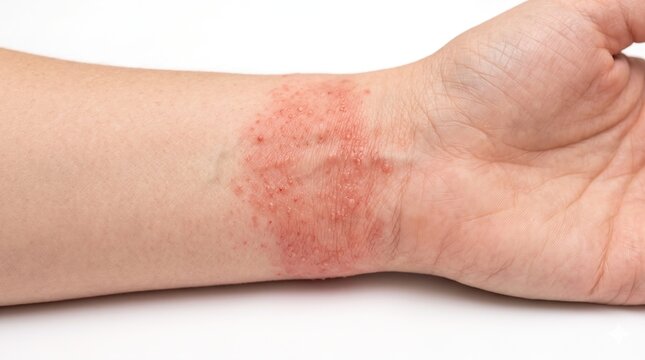
Common Triggers of Allergic Contact Dermatitis
Many everyday products can trigger allergic contact dermatitis. The most common allergens include:
Metals
Nickel is the leading cause of allergic contact dermatitis worldwide. It is commonly found in:
- Earrings
- Necklaces
- Rings
- Watches
- Belt buckles
- Clothing fasteners
Some people also react to cobalt or chromium, which are present in certain jewelry, leather products, cement, and metal tools.
Cosmetics and Personal Care Products
Skin care and beauty products frequently contain ingredients that can trigger allergic reactions, including:
- Fragrances
- Preservatives
- Hair dyes
- Makeup
- Moisturizers
- Sunscreens
- Nail products
Symptoms often affect the face, eyelids, neck, or scalp.
Household Products
Repeated exposure to cleaning products and detergents can damage the skin barrier and increase the risk of allergic or irritant dermatitis.
Common triggers include:
- Household cleaners
- Laundry detergents
- Dishwashing liquids
- Soaps
- Disinfectants
Latex and Rubber
Latex gloves and rubber products can cause allergic reactions in some people, particularly healthcare workers and individuals with frequent latex exposure.
Topical Medications
Some creams and ointments, including antibiotic creams and medicated products, may cause allergic contact dermatitis in sensitive individuals.
Hives (Urticaria)
Hives, also known as urticaria, are raised, itchy welts that develop suddenly on the skin. Unlike allergic contact dermatitis, which usually remains in one area after contact with an allergen, hives can appear anywhere on the body, change shape, merge together, and disappear within a few hours while new welts develop elsewhere.
Although hives are often caused by an allergic reaction, many cases are triggered by viral infections, medications, physical stimuli (such as heat, cold, pressure, or exercise), or emotional stress. In many people, no specific cause is identified.
Common symptoms include:
- Raised, red or skin-colored welts
- Intense itching
- Swelling around the affected area
- Welts that change size or shape
- Individual welts that usually disappear within 24 hours
Seek immediate medical attention if hives occur together with difficulty breathing, swelling of the lips, tongue, or throat, wheezing, dizziness, or fainting, as these symptoms may indicate anaphylaxis, a life-threatening allergic reaction.
Atopic Dermatitis (Eczema)
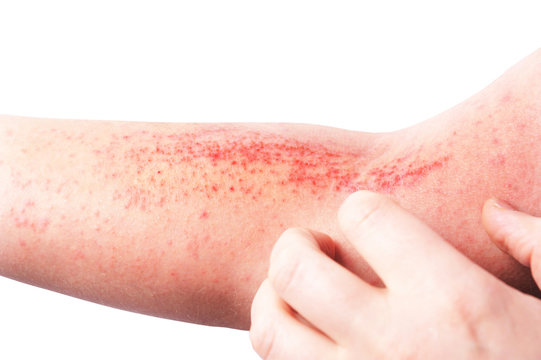
Atopic dermatitis, commonly called eczema, is a chronic inflammatory skin condition that causes dry, itchy, and inflamed skin. It is one of the most common skin disorders in children but can also affect adults.
Unlike allergic contact dermatitis, eczema is not usually caused by direct contact with an allergen. Instead, it develops because of a combination of genetic factors, immune system dysfunction, and a weakened skin barrier. People with eczema often have a personal or family history of hay fever, asthma, or food allergies, a combination known as the atopic triad.
Typical symptoms include:
- Dry, rough skin
- Persistent itching
- Red or brown patches
- Thickened skin caused by repeated scratching
- Cracks in the skin
- Small blisters that may ooze during flare-ups
In infants, eczema commonly affects the cheeks, scalp, and outer surfaces of the arms and legs. In older children and adults, it usually develops inside the elbows, behind the knees, on the wrists, hands, ankles, and neck.
Daily use of fragrance-free moisturizers and avoiding known triggers are the cornerstones of treatment.
Plant-Related Skin Rashes
Some plants contain natural chemicals that irritate the skin or trigger an allergic reaction after direct contact. The rash usually appears within a few hours to several days and often follows the pattern where the skin touched the plant.
Plants that commonly cause skin reactions include:
- Poison ivy
- Poison oak
- Poison sumac
- Stinging nettles
- Giant hogweed
- Certain ornamental and garden plants
Symptoms may include:
- Redness
- Severe itching
- Swelling
- Small blisters
- Burning sensation
- Oozing fluid
If you come into contact with a plant that may cause a skin reaction, wash the affected area with soap and water as soon as possible to help remove any irritating oils. Avoid scratching, as damaged skin is more likely to become infected.
Insect Bites and Stings
Insect bites and stings are a frequent cause of itchy skin rashes. Most reactions are mild and improve within a few days, although some people develop large local reactions or severe allergic responses.
Mosquito Bites
Mosquito bites usually appear as small, itchy, raised bumps that become red and swollen within a few hours. Scratching may break the skin and increase the risk of infection.
Flea Bites
Flea bites often occur in small clusters, particularly around the ankles and lower legs. They are intensely itchy and may leave tiny red bumps with a darker center.
Bed Bug Bites
Bed bug bites commonly appear in straight lines or clusters on exposed areas of skin after sleeping. They often affect the arms, shoulders, neck, and face.
Bee and Wasp Stings
Bee and wasp stings usually cause immediate pain, redness, warmth, and swelling around the sting site. Most reactions improve within a few days, but some people develop severe allergic reactions that require emergency treatment.
Tick Bites
Ticks often remain attached to the skin after biting. Some species can transmit diseases such as Lyme disease. Seek medical advice if you develop an expanding bull’s-eye rash, fever, joint pain, or flu-like symptoms after a tick bite.
Spider Bites
Most spider bites are harmless and cause mild redness and swelling. However, severe pain, blistering, spreading redness, or signs of infection should be evaluated by a healthcare professional.
Can Food Allergies Cause a Skin Rash?
Yes. Food allergies commonly cause hives (urticaria), itching, flushing, or swelling of the lips, face, or tongue shortly after eating the triggering food.
Common food allergens include:
- Peanuts
- Tree nuts
- Milk
- Eggs
- Wheat
- Soy
- Fish
- Shellfish
Unlike allergic contact dermatitis, food allergies usually do not produce a localized rash where the food touched the skin. Instead, they often cause widespread hives or swelling.
A food allergy may occasionally progress to anaphylaxis, a medical emergency that requires immediate treatment with epinephrine and emergency medical care.
Can Drug Allergies Cause a Skin Rash?
Yes. A skin rash is one of the most common signs of a drug allergy.
Medications most commonly associated with allergic skin reactions include:
- Penicillin and other antibiotics
- Sulfonamide antibiotics
- Anti-seizure medications
- Nonsteroidal anti-inflammatory drugs (NSAIDs), such as ibuprofen and naproxen
- Contrast dyes used for imaging tests
Drug allergies may cause:
- Red spots
- Widespread itchy rash
- Hives
- Swelling
- Blistering in severe cases
Do not continue taking a medication if you suspect a serious allergic reaction unless advised by your healthcare provider. Seek urgent medical care if the rash is accompanied by blistering, peeling skin, mouth sores, fever, or difficulty breathing.
Diagnosis
Diagnosing the cause of a skin rash begins with a detailed medical history and physical examination. Your healthcare provider will ask when the rash started, where it first appeared, whether it itches or hurts, and whether you have recently used new medications, skincare products, cosmetics, detergents, or other products that may have triggered a reaction.
If the cause is not clear, additional tests may be recommended, including:
- Patch testing to identify allergens responsible for allergic contact dermatitis.
- Skin prick testing if a food or environmental allergy is suspected.
- Blood tests in selected cases.
- Skin swabs or cultures if a bacterial or fungal infection is suspected.
- Skin biopsy when the diagnosis remains uncertain or another skin disease needs to be excluded.
Keeping a diary of new products, medications, foods, and activities can sometimes help identify recurring triggers.
Treatment
Treatment depends on the underlying cause of the rash, but several general measures can help relieve symptoms and promote healing.
Avoid the Trigger
Identifying and avoiding the substance causing the reaction is the most important step in treating allergic contact dermatitis. This may involve changing cosmetics, soaps, detergents, jewelry, gloves, or workplace products.
Cool Compresses
Applying a cool, damp compress to the affected area for 10 to 15 minutes several times a day may help reduce itching, swelling, and discomfort.
Topical Corticosteroid Creams
Topical corticosteroids reduce inflammation, redness, and itching and are one of the main treatments for allergic contact dermatitis. Mild corticosteroids, such as hydrocortisone 1%, may be available over the counter in some countries, while stronger products require a prescription.
These creams should be used only for the recommended duration, particularly on the face, eyelids, groin, skin folds, and in children, where prolonged use may increase the risk of side effects.
Examples: Hydrocortisone cream, Anticort® (where available), and other prescription corticosteroid creams.
Moisturizers and Skin Barrier Creams
Keeping the skin well moisturized helps restore the skin barrier, reduces dryness, and may decrease itching and future flare-ups. Moisturizers are particularly important for people with eczema and chronic dermatitis.
Choose fragrance-free products designed for sensitive skin.
Examples:
- Bepanthol® Derma
- Bepanthen®
- CeraVe® Moisturizing Cream
- La Roche-Posay Lipikar Baume AP+
- Eucerin® AtopiControl
- Avène XeraCalm A.D.
- Bioderma Atoderm
These products can usually be applied several times a day, especially after bathing.
Anti-Itch Gels
Cooling gels may provide temporary relief from itching caused by insect bites or mild allergic skin reactions.
Products containing dimetindene (Fenistil® Gel) may help reduce itching in some people, although they do not treat the underlying inflammation of allergic contact dermatitis.
Cooling gels are generally less effective than topical corticosteroids for allergic contact dermatitis.
Calamine Lotion
Calamine lotion can help soothe itchy skin caused by:
- Insect bites
- Mild contact dermatitis
- Chickenpox
- Poison ivy and similar plant rashes
Its cooling effect provides temporary relief but does not treat the underlying allergic reaction.
Barrier Creams
Barrier creams protect the skin from repeated exposure to water, detergents, chemicals, and workplace irritants. They may be particularly helpful for people whose dermatitis is related to their occupation.
Eczema Products
For people with atopic dermatitis (eczema), regular moisturizing is the cornerstone of treatment.
Products specifically formulated for eczema often contain ingredients that help repair the skin barrier and reduce water loss.
Examples include:
- Bepanthol® Eczema Cream
- Eucerin® AtopiControl
- Avène XeraCalm A.D.
- La Roche-Posay Lipikar Baume AP+
- Bioderma Atoderm Intensive Baume
These products should be applied at least twice daily and after bathing, even when the skin appears normal, to help reduce flare-ups.
Common Over-the-Counter Products
| Product type | Examples | Best for |
|---|---|---|
| Hydrocortisone cream | Hydrocortisone 1%, Anticort® | Allergic contact dermatitis |
| Anti-itch gel | Fenistil® Gel | Insect bites, mild itching |
| Moisturizer | Bepanthol® Derma, CeraVe®, Lipikar® | Dry skin, eczema |
| Eczema cream | Bepanthol® Eczema, AtopiControl®, XeraCalm® | Atopic dermatitis |
| Calamine lotion | Various brands | Plant rashes, insect bites |
Oral Antihistamines
Non-drowsy antihistamines can help relieve itching caused by hives and other allergic reactions. They are generally less effective for allergic contact dermatitis or eczema but may still provide some symptom relief, especially if itching interferes with sleep.
Treating Infected Skin
Repeated scratching can damage the skin and allow bacteria to enter. If the rash becomes painful, warm, swollen, or begins to produce pus, medical evaluation is needed, as antibiotics may be required.
Emergency Treatment
Call emergency services immediately if a skin rash is accompanied by:
- Difficulty breathing
- Wheezing
- Swelling of the lips, tongue, or throat
- Difficulty swallowing
- Dizziness or fainting
These symptoms may indicate anaphylaxis, which requires immediate treatment.
Supplements
No supplement has been proven to cure allergic contact dermatitis or other skin rashes. However, some supplements may help certain people when used appropriately or when a nutritional deficiency is present.
Vitamin D
Vitamin D plays an important role in immune function and skin health. Some studies suggest that correcting a vitamin D deficiency may help improve symptoms of atopic dermatitis (eczema) in certain individuals. However, vitamin D has not been shown to treat allergic contact dermatitis directly.
Omega-3 Fatty Acids
Omega-3 fatty acids, found in fish oil, have anti-inflammatory properties. Although they may benefit overall skin health, current evidence is insufficient to recommend omega-3 supplements as a routine treatment for allergic skin rashes.
Probiotics
Probiotics have been studied primarily in children with eczema. While some research suggests they may reduce the severity of eczema in selected children, the evidence remains inconsistent, and they are not routinely recommended for treating allergic contact dermatitis.
Vitamin B12
Vitamin B12 is essential for healthy skin and nerve function. Supplementation is only beneficial when a vitamin B12 deficiency has been confirmed.
When Should You Avoid Supplements?
Natural supplements can interact with medications and are not always safe for everyone. Always speak with your healthcare provider before starting supplements, particularly if you are pregnant, breastfeeding, taking prescription medicines, or have chronic medical conditions.
Prevention
Although not every skin rash can be prevented, the following measures may reduce your risk of developing allergic contact dermatitis and other common skin reactions.
- Identify and avoid known allergens whenever possible.
- Wear protective gloves when handling cleaning products, chemicals, or plants.
- Choose fragrance-free soaps, moisturizers, and cosmetics if you have sensitive skin.
- Moisturize your skin daily to help maintain a healthy skin barrier.
- Avoid prolonged contact with harsh detergents or solvents.
- Wash your skin promptly after contact with suspected allergens or irritating plants.
- Wear long sleeves and trousers when gardening or hiking in areas with poisonous plants.
- Use insect repellent and protective clothing to reduce insect bites.
- Avoid scratching itchy skin, as scratching increases the risk of infection.
Skin Rashes in Children
Skin rashes are extremely common in children and are usually caused by eczema (atopic dermatitis), contact dermatitis, viral infections, hives, insect bites, or heat rash. Although many childhood rashes are harmless and improve with simple treatment, some require medical assessment.
Symptoms
Children with a skin rash may develop:
- Red or pink patches of skin
- Dry, rough, or scaly skin
- Itching
- Small blisters
- Swelling
- Raised itchy welts (hives)
- Cracked skin
- Irritability due to itching
- Difficulty sleeping because of discomfort
Babies with eczema often develop dry, itchy patches on the cheeks, scalp, and outer arms and legs, while older children commonly have eczema inside the elbows and behind the knees.
Common Causes
The most common causes of skin rashes in children include:
- Atopic dermatitis (eczema)
- Allergic contact dermatitis
- Viral infections
- Hives (urticaria)
- Insect bites
- Heat rash
- Soaps, bubble baths, detergents, and fragrances
- Certain metals, such as nickel
Most childhood rashes are not caused by food allergies, although food allergies can occasionally trigger hives or swelling.
Treatment
Parents can help by:
- Applying fragrance-free moisturizers several times a day.
- Avoiding known triggers.
- Using gentle, fragrance-free cleansers.
- Keeping fingernails short to reduce skin damage from scratching.
- Dressing children in loose, soft cotton clothing.
- Applying prescribed topical corticosteroids during eczema or contact dermatitis flare-ups.
- Giving oral antihistamines if recommended by a healthcare professional for hives.
Do not apply adult-strength steroid creams to children unless advised by a healthcare professional.
When Should You See a Doctor?
Arrange a medical evaluation if your child:
- Develops a rash with a high fever.
- Has widespread blistering.
- Has signs of skin infection, such as pus, increasing redness, warmth, or pain.
- Has a rash that lasts longer than two weeks.
- Has severe itching that interferes with sleep.
- Has recurrent skin rashes without an obvious cause.
Seek emergency medical attention immediately if your child develops:
- Difficulty breathing
- Swelling of the lips, tongue, or throat
- Widespread hives after eating a food or taking a medication
- Dizziness or collapse
These symptoms may indicate anaphylaxis, a life-threatening allergic reaction.
💡 Pharmacist’s Tip
Many skin rashes look similar, making it difficult to identify the cause without considering recent exposures. Think about whether you have recently started using a new soap, cosmetic, detergent, medication, jewelry, or gardening product before the rash appeared. Avoid scratching the affected skin, as scratching can damage the skin barrier and increase the risk of infection. If the rash is widespread, recurrent, or accompanied by swelling of the face, difficulty breathing, or blistering, seek prompt medical attention.
Why do I suddenly have a skin rash?
A sudden skin rash may be caused by allergic contact dermatitis, hives, insect bites, medications, viral infections, or contact with irritating plants or chemicals. The appearance, location, and timing of the rash can help identify the underlying cause.
What does allergic contact dermatitis look like?
Allergic contact dermatitis usually appears as a red, itchy rash that develops 24 to 72 hours after the skin comes into contact with an allergen. The affected area may become swollen, dry, scaly, or blistered, and the rash is usually limited to the area that touched the triggering substance.
What is the difference between allergic contact dermatitis and eczema?
Allergic contact dermatitis develops after the skin comes into contact with an allergen such as nickel, fragrances, or latex. Atopic dermatitis (eczema) is a chronic inflammatory skin condition caused by a combination of genetic, immune, and environmental factors. Although both conditions cause itching and redness, they have different underlying causes and treatment approaches.
What is the difference between hives and allergic contact dermatitis?
Hives are raised, itchy welts that usually appear suddenly and disappear within 24 hours, although new welts may continue to develop. Allergic contact dermatitis develops more slowly, usually remains in the same location, and may last for several days or weeks.
Can food allergies cause a skin rash?
Yes. Food allergies commonly cause hives, itching, and swelling rather than allergic contact dermatitis. Severe food allergies can lead to anaphylaxis, which requires immediate emergency treatment.
Can medications cause skin rashes?
Yes. Antibiotics, anti-seizure medications, NSAIDs, and several other medicines may cause allergic skin reactions. If you develop a rash soon after starting a new medication, contact your healthcare provider immediately.
Can insect bites cause allergic skin reactions?
Yes. Mosquitoes, fleas, bed bugs, bees, wasps, and other insects can trigger itchy rashes. Some people develop large local allergic reactions, while others may experience anaphylaxis after bee or wasp stings.
Can stress cause a skin rash?
Stress does not usually cause allergic contact dermatitis, but it can worsen itching and trigger flare-ups of eczema and hives in some people.
Can children develop allergic contact dermatitis?
Yes. Children can develop allergic contact dermatitis after exposure to substances such as nickel, fragrances, soaps, latex, or certain plants. Eczema, viral infections, and insect bites are even more common causes of skin rashes in children.
When should I worry about a skin rash?
Seek medical attention if your rash is rapidly spreading, painful, blistering, infected, lasts longer than two weeks, or is accompanied by fever. Seek emergency care immediately if you develop difficulty breathing, swelling of the lips or tongue, or dizziness.
Clinical Disclaimer
This article is intended for educational purposes only and should not replace professional medical advice, diagnosis, or treatment. Skin rashes can have many causes, ranging from mild irritation to serious infections and allergic reactions. Seek immediate medical attention if you develop difficulty breathing, swelling of the face, lips, tongue, or throat, a rapidly spreading rash, blistering or peeling skin, a purple rash, or a rash accompanied by a high fever. Always consult a qualified healthcare professional for persistent, recurrent, or unexplained skin symptoms.
Related Articles
- Why Have I Lost My Sense of Smell? Causes, Medications, Vitamin Deficiencies and Treatments
- Why Do I Lose My Voice? Causes, Treatment, and When to Worry
- Why Is My Nose Always Blocked? Causes, Allergies, Sinusitis, Nasal Polyps and Treatments
- Why Do I Keep Sneezing? Hay Fever (Allergic Rhinitis)
- Asthma: Symptoms, Causes & Treatment
- Why Are My Eyes Red?
- Why Do I Lose My Voice? Causes, Treatment, and When to Worry
- Why Do I Keep Sneezing? Hay Fever (Allergic Rhinitis): Symptoms, Causes & Treatment
References
- American Academy of Dermatology (AAD). Contact Dermatitis: Diagnosis and Treatment.
- American Academy of Dermatology (AAD). Atopic Dermatitis (Eczema): Overview and Management.
- American Academy of Allergy, Asthma & Immunology (AAAAI). Contact Dermatitis.
- European Academy of Allergy and Clinical Immunology (EAACI). Guidelines for the Management of Contact Dermatitis.
- National Institute for Health and Care Excellence (NICE). Atopic Eczema in Under 12s: Diagnosis and Management.
- National Eczema Association. Understanding Eczema.
- Mayo Clinic. Contact Dermatitis.
- Mayo Clinic. Hives (Urticaria).
- MSD Manual Professional Edition. Contact Dermatitis.
- Merck Manual Consumer Version. Overview of Skin Rashes.
- American College of Allergy, Asthma & Immunology (ACAAI). Skin Allergy Overview.