Why Do I Have Ringing in My Ears or Ear Pressure?
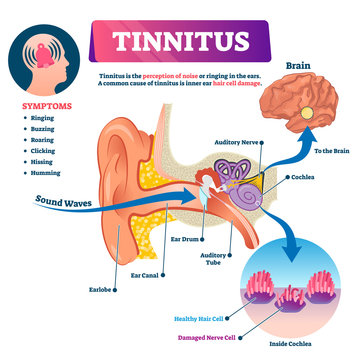
Ringing in the ears (tinnitus) and ear pressure are common symptoms that affect millions of people. Some experience a buzzing, humming, roaring, or whistling sound, while others feel fullness or pressure inside one or both ears.
Although these symptoms are often harmless and temporary, they can sometimes indicate an underlying medical condition involving the ear, nose, sinuses, jaw, or nervous system.
This guide explains the most common causes of tinnitus and ear pressure, how they are diagnosed, and evidence-based treatment options.
What Is Tinnitus?
Tinnitus is the perception of sound without an external source.
People describe tinnitus as:
- Ringing
- Buzzing
- Humming
- Whistling
- Roaring
- Clicking
- Hissing
The sound may occur in:
- One ear
- Both ears
- Inside the head
It may be constant or intermittent.
What Is Ear Pressure?
Ear pressure is the sensation of fullness, blockage, or clogged ears.
It may occur alone or together with:
- Hearing loss
- Ringing
- Ear pain
- Dizziness
- Popping sensations
Common Symptoms
You may notice:
- Ringing in one or both ears
- Feeling of fullness
- Muffled hearing
- Ear popping
- Hearing loss
- Dizziness
- Balance problems
- Ear pain
- Headache
What Causes Ringing in the Ears or Ear Pressure?
Earwax Blockage
One of the most common causes is excessive earwax.
Symptoms include:
- Ear fullness
- Temporary hearing loss
- Ringing
- Itching
- Ear discomfort
Avoid inserting cotton swabs into the ear canal, as they may push wax deeper.
Age-Related Hearing Loss
Age-related hearing loss (presbycusis) is the leading cause of chronic tinnitus.
The brain may compensate for reduced hearing by generating phantom sounds.
Noise-Induced Hearing Loss
Exposure to loud noise can damage the delicate hair cells of the inner ear.
Common sources include:
- Concerts
- Firearms
- Power tools
- Loud music through headphones
- Industrial machinery
Repeated exposure greatly increases the risk of permanent tinnitus.
Eustachian Tube Dysfunction
The Eustachian tube connects the middle ear to the back of the nose.
When it becomes blocked, symptoms may include:
- Ear pressure
- Ear popping
- Muffled hearing
- Mild tinnitus
Common causes include:
- Allergies
- Sinus infections
- Common cold
- Air travel
Allergies
Seasonal allergies can cause swelling around the Eustachian tube, leading to:
- Ear fullness
- Pressure
- Clicking
- Temporary hearing changes
Chronic Sinusitis
Inflamed sinuses can interfere with normal Eustachian tube function.
Symptoms often include:
- Blocked nose
- Facial pressure
- Thick mucus
- Ear pressure
Temporomandibular Joint (TMJ) Disorders
Jaw problems frequently cause:
- Ear pain
- Ear pressure
- Clicking
- Ringing
Symptoms often worsen while chewing.
Ménière’s Disease
Ménière’s disease affects the inner ear.
Typical symptoms include:
- Episodes of vertigo
- Ringing
- Ear fullness
- Fluctuating hearing loss
Medical evaluation is recommended.
Ear Infection
Middle ear infections may cause:
- Ear pain
- Fever
- Ear pressure
- Temporary hearing loss
Barotrauma
Rapid pressure changes during:
- Flying
- Diving
- Mountain travel
may produce ear pressure and temporary tinnitus.
Ringing in the Ears as a Medication Side Effect
Several medications can cause or worsen tinnitus. The risk often increases with higher doses or prolonged use.
Aspirin
High doses of aspirin can cause:
- Ringing in the ears
- Hearing changes
Symptoms usually improve after reducing or stopping the medication under medical supervision.
NSAIDs
Examples include:
- Ibuprofen
- Naproxen
- Diclofenac
These medications have occasionally been associated with tinnitus, particularly at higher doses.
Loop Diuretics
Examples include:
- Furosemide
- Bumetanide
High doses, especially when given intravenously, may affect hearing and cause tinnitus.
Certain Antibiotics
Some antibiotics can damage the inner ear (ototoxicity), particularly when used in high doses or in people with kidney disease.
Examples include:
- Gentamicin
- Tobramycin
- Amikacin
Chemotherapy Drugs
Certain chemotherapy agents may damage hearing.
Examples include:
- Cisplatin
- Carboplatin
Antidepressants
Occasionally associated with tinnitus:
- Sertraline
- Fluoxetine
- Venlafaxine
Quinine
Quinine-containing medications have long been associated with tinnitus and hearing disturbances.
Never stop taking a prescribed medication without discussing it with your healthcare provider.
Less Common Causes
Less common causes include:
- Acoustic neuroma (vestibular schwannoma)
- Multiple sclerosis
- Head injury
- High blood pressure
- Thyroid disorders
- Autoimmune inner ear disease
Risk Factors
You are more likely to develop tinnitus if you:
- Are over 60 years old
- Have hearing loss
- Smoke
- Are regularly exposed to loud noise
- Take ototoxic medications
- Have diabetes
- Have cardiovascular disease
When Should You See a Doctor?
Seek medical evaluation if tinnitus or ear pressure:
- Persists longer than one week
- Occurs in only one ear
- Is associated with hearing loss
- Is accompanied by dizziness
- Worsens over time
- Interferes with sleep or daily life
Seek emergency medical attention if symptoms occur suddenly with:
- Sudden hearing loss
- Severe dizziness
- Facial weakness
- Head injury
How Is Tinnitus Diagnosed?
Evaluation may include:
- Medical history
- Medication review
- Ear examination
- Hearing test (audiometry)
Additional investigations may include:
- Tympanometry
- MRI (for unilateral tinnitus or neurological symptoms)
- Blood tests
- Thyroid function tests
How Can You Tell If You Have Hearing Loss?
Hearing loss often develops gradually, so many people do not notice it until it begins to interfere with daily life. Because hearing loss is one of the most common causes of tinnitus, it is important to recognize the warning signs.
You may have hearing loss if you:
- Frequently ask people to repeat themselves
- Have difficulty understanding conversations, especially in noisy environments
- Turn up the television or radio louder than others prefer
- Find that people seem to mumble
- Have trouble hearing women’s or children’s voices, which are typically higher pitched
- Miss the sound of doorbells, telephones, or alarms
- Avoid social situations because conversations are difficult to follow
- Experience ringing in the ears together with reduced hearing
If you notice any of these symptoms, your healthcare provider may recommend a hearing test (audiogram). This painless test measures how well you hear sounds of different pitches and volumes and can determine the type and severity of hearing loss.
Types of Hearing Loss
There are three main types of hearing loss:
- Conductive hearing loss occurs when sound cannot pass efficiently through the outer or middle ear. Common causes include earwax buildup, middle ear infections, or fluid behind the eardrum. In many cases, it is temporary and treatable.
- Sensorineural hearing loss results from damage to the inner ear (cochlea) or the auditory nerve. It is the most common type of permanent hearing loss and is often caused by aging, prolonged exposure to loud noise, certain medications, or inherited conditions.
- Mixed hearing loss is a combination of conductive and sensorineural hearing loss.
Early diagnosis is important because untreated hearing loss can affect communication, quality of life, and may increase the risk of social isolation and cognitive decline. If hearing loss is identified, treatment options may include removing earwax, treating infections, hearing aids, cochlear implants in selected cases, or managing the underlying medical condition.
How Is Tinnitus Treated?
Treatment depends on the underlying cause.
Possible treatments include:
- Earwax removal
- Hearing aids
- Treating allergies
- Managing sinusitis
- Treating ear infections
- Adjusting medications
- Tinnitus counseling
- Cognitive behavioral therapy (CBT)
- Sound therapy
- Management of TMJ disorders
There is currently no medication that reliably cures chronic tinnitus, but many people experience significant improvement when the underlying cause is addressed.
Supplements That May Help
Magnesium
Some research suggests magnesium may help protect against noise-induced hearing damage, but evidence for treating chronic tinnitus is limited.
Zinc
People with zinc deficiency may benefit from supplementation, although routine zinc use for tinnitus is not recommended.
Vitamin B12
Vitamin B12 deficiency has been linked to tinnitus in some studies. Correcting a deficiency may improve symptoms in affected individuals.
Ginkgo Biloba
Ginkgo biloba has been widely studied for tinnitus, but current evidence does not consistently support its routine use.
Melatonin
Melatonin does not treat tinnitus directly but may improve sleep quality in people whose tinnitus disrupts sleep.
Amazon Recommendations
Hearing Protection
Ear Care
Sleep Support
Why do my ears ring when everything is quiet?
Tinnitus often becomes more noticeable in quiet environments because there are fewer background sounds to mask it.
Can allergies cause ear pressure?
Yes. Allergies can block the Eustachian tube, leading to ear fullness and popping sensations.
Can medications cause tinnitus?
Yes. Aspirin, NSAIDs, aminoglycoside antibiotics, loop diuretics, chemotherapy drugs, and some antidepressants have all been associated with tinnitus.
Can earwax cause ringing?
Yes. Excess earwax can temporarily cause tinnitus, hearing loss, and ear fullness.
Is tinnitus permanent?
Not always. Tinnitus caused by earwax, infections, medications, or temporary noise exposure often improves after the underlying cause is treated.
Should I worry about ringing in one ear?
Persistent tinnitus affecting only one ear should always be evaluated, as it may occasionally indicate an underlying structural problem such as an acoustic neuroma.
Clinical Considerations
Most cases of tinnitus are associated with hearing loss, noise exposure, earwax blockage, or Eustachian tube dysfunction. A careful medication review is essential, as several commonly prescribed drugs are potentially ototoxic. Sudden sensorineural hearing loss accompanied by tinnitus is an otologic emergency and requires immediate assessment, as early treatment improves the likelihood of hearing recovery.
Related Guides
- Why Is My Nose Always Blocked?
- Why Have I Lost My Sense of Smell?
- Why Have I Lost My Sense of Taste?
- Why Do I Have a Chronic Sore Throat?
- Why Do I Get Frequent Nosebleeds?
- Magnesium: Benefits, Dosage and Side Effects
- Vitamin B12 Deficiency: Symptoms, Causes and Treatment
- What Causes Dizziness, Nausea, Weakness, and Balance Problems?
References
- American Academy of Otolaryngology–Head and Neck Surgery. Clinical Practice Guideline: Tinnitus.
- National Institute on Deafness and Other Communication Disorders (NIDCD). Tinnitus.
- American Tinnitus Association. Understanding Tinnitus.
- Mayo Clinic. Tinnitus: Symptoms and Causes.
- Cleveland Clinic. Tinnitus.
- UpToDate. Evaluation of Tinnitus in Adults.