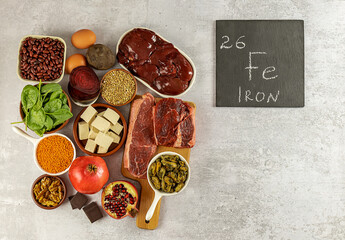
Can Low Ferritin Cause Fatigue Even Without Anemia? Symptoms, Causes and Solutions
Many people are told their blood tests are “normal” because they do not have anemia, yet they continue to experience fatigue, brain fog, weakness, hair loss, and poor exercise tolerance.
In some cases, low ferritin may be contributing to these symptoms even when hemoglobin levels remain within the normal range.
Ferritin is the body’s primary iron storage protein. Low ferritin levels may indicate depleted iron stores before anemia develops.
This condition is often referred to as iron deficiency without anemia.
What Is Ferritin?
Ferritin is a protein that stores iron inside cells.
Measuring ferritin helps evaluate the body’s iron reserves.
A low ferritin level may indicate that iron stores are becoming depleted, even if:
- Hemoglobin is normal
- Red blood cell counts are normal
- Anemia is not yet present
Understanding Ferritin and Iron Stores
Ferritin is the body’s primary iron storage protein. Although ferritin is not iron itself, it acts as a storage container that safely holds iron for future use. When iron is absorbed from food or supplements, the body first uses what it needs for essential functions such as hemoglobin production, oxygen transport, and energy metabolism. Excess iron is then stored inside ferritin molecules, primarily in the liver, bone marrow, spleen, and other tissues.
As iron stores increase, the body produces more ferritin to safely store the available iron. Conversely, when iron intake is insufficient or iron losses exceed intake—such as with heavy menstrual bleeding, gastrointestinal blood loss, or inadequate dietary intake—the body begins using its stored iron reserves. As these reserves become depleted, ferritin levels fall. This is why ferritin is often one of the earliest laboratory markers of iron deficiency.
A useful analogy is to think of ferritin as the body’s iron “savings account.” When iron intake is adequate, the account remains full. When the body needs more iron than it receives, it withdraws iron from storage, causing ferritin levels to decline. Only after iron stores become significantly depleted does hemoglobin production begin to fall, eventually leading to iron deficiency anemia. This explains why some individuals experience fatigue, hair loss, poor concentration, or feeling cold even when their hemoglobin remains within the normal range but ferritin levels are low.
Why Can Ferritin Be Normal Despite Iron Problems?
Although ferritin is one of the most useful markers of iron stores, interpreting ferritin levels is not always straightforward. Ferritin is known as an acute-phase reactant, meaning that its levels can increase in response to inflammation, infection, liver disease, obesity, and certain chronic medical conditions. As a result, some individuals may have normal or even elevated ferritin levels despite having insufficient available iron. In these situations, additional laboratory tests such as serum iron, transferrin saturation, total iron-binding capacity (TIBC), and a complete blood count (CBC) may help provide a more complete picture of iron status. This is one reason healthcare professionals often evaluate several iron-related markers together rather than relying on ferritin alone.
Can You Have Low Ferritin with Normal Hemoglobin?
Yes. Low ferritin with normal hemoglobin is a common finding, particularly in women with heavy menstrual bleeding, athletes, blood donors, and individuals with inadequate iron intake. Iron deficiency develops gradually. The body first uses iron stored in ferritin before hemoglobin production is affected. As a result, ferritin levels may fall long before anemia develops. During this stage, some individuals experience symptoms such as fatigue, poor concentration, reduced exercise performance, hair loss, restless legs, or feeling cold despite having a normal hemoglobin level. This condition is often referred to as iron deficiency without anemia and may represent an early stage of iron depletion.
What Is Iron Deficiency Without Anemia?
Iron deficiency develops gradually.
Stage 1
Iron stores begin to decline.
Ferritin decreases.
Symptoms may be absent.
Stage 2
Iron stores become depleted.
Ferritin drops further.
Symptoms may begin to appear.
Stage 3
Iron deficiency anemia develops.
Hemoglobin levels fall.
Symptoms often become more severe.
Many individuals experience symptoms during Stage 2, before anemia develops.
Symptoms of Low Ferritin Without Anemia
Common symptoms may include:
- Fatigue
- Low energy
- Weakness
- Brain fog
- Reduced exercise performance
- Shortness of breath during exertion
- Hair loss
- Feeling cold
- Poor concentration
- Dizziness
- Headaches
- Restless legs syndrome
Why Can Low Ferritin Cause Fatigue?
Iron plays a critical role in:
- Oxygen transport
- Mitochondrial energy production
- Muscle function
- Brain function
When iron stores become depleted, tissues may receive less efficient oxygen delivery and energy production may be impaired.
This may contribute to fatigue long before anemia develops.
Common Causes of Low Ferritin
Heavy Menstrual Bleeding
One of the most common causes in women.
Repeated monthly blood loss may gradually reduce iron stores.
Inadequate Dietary Iron Intake
Low intake of iron-rich foods may contribute to deficiency.
Examples include:
- Red meat
- Seafood
- Legumes
- Iron-fortified foods
Reduced Iron Absorption
Iron absorption may be affected by:
- Celiac disease
- Inflammatory bowel disease
- Gastric surgery
- Certain medications
Frequent Blood Donation
Regular blood donation may reduce iron stores over time.
Endurance Exercise
Long-distance running and endurance sports may increase iron requirements.
Thalassemia Trait and Fatigue
Thalassemia trait (also called thalassemia minor) is an inherited blood condition that affects hemoglobin production.
People with thalassemia trait may have:
- Low MCV (small red blood cells)
- Mild anemia
- Fatigue
- Reduced exercise tolerance
Because laboratory findings can resemble iron deficiency, thalassemia trait is sometimes mistaken for iron deficiency anemia.
However, individuals with thalassemia trait do not necessarily have low iron stores.
Iron supplementation should not be started solely on the basis of low MCV or mild anemia without confirming iron deficiency through appropriate testing such as ferritin and iron studies.
In regions where thalassemia is common, healthcare professionals may recommend additional testing to distinguish between iron deficiency and inherited blood disorders.
Ferritin and Hair Loss
Low ferritin is commonly investigated in individuals experiencing:
- Hair thinning
- Increased shedding
- Reduced hair density
While hair loss can have many causes, iron deficiency is a recognized contributor.
Ferritin and Feeling Cold
Low ferritin may contribute to:
- Cold hands
- Cold feet
- Feeling cold indoors
- Reduced tolerance to cold temperatures
Ferritin and Restless Legs Syndrome
Research suggests low iron stores may contribute to restless legs syndrome (RLS).
Some individuals experience improvement when iron deficiency is corrected.
How to Improve Low Ferritin
Increase Iron-Rich Foods
Examples include:
- Lean red meat
- Shellfish
- Lentils
- Beans
- Spinach
Improve Iron Absorption
Vitamin C may increase absorption of non-heme iron.
Examples include:
- Citrus fruits
- Kiwi
- Bell peppers
Identify Underlying Causes
Persistent low ferritin may require evaluation for:
- Heavy periods
- Gastrointestinal blood loss
- Malabsorption conditions
Supplements Commonly Used
Iron Bisglycinate
Often preferred because it may be easier to tolerate than some traditional iron forms.
Most relevant in:
- Low ferritin
- Iron deficiency
- Heavy menstrual bleeding
Iron + Vitamin C Combinations
Vitamin C may improve iron absorption.
Lactoferrin
Protein involved in iron metabolism.
Emerging evidence suggests lactoferrin may support iron status in some individuals.
B-Complex Vitamins
Support:
- Red blood cell production
- Energy metabolism
Iron Combination Formulas
Some products combine:
- Iron
- Vitamin C
- Folate
- Vitamin B12
These formulations are often used for comprehensive iron support.
Evidence Summary
Research suggests low ferritin levels may contribute to fatigue, reduced exercise capacity, cognitive symptoms, restless legs syndrome, and hair loss even in the absence of anemia.
Correction of iron deficiency may improve symptoms in appropriately selected individuals.
Can thalassemia cause fatigue?
Yes.
Individuals with thalassemia trait or thalassemia may experience fatigue, reduced exercise tolerance, and mild anemia.
However, fatigue can also result from iron deficiency, and the two conditions may occasionally coexist.
Proper testing is important because treatment approaches differ.
Can low ferritin cause fatigue without anemia?
Yes. Many individuals experience fatigue and other symptoms before anemia develops.
What ferritin level causes symptoms?
Symptoms vary between individuals. Some people develop symptoms despite ferritin levels remaining within laboratory reference ranges.
Can low ferritin cause hair loss?
Yes. Low ferritin is a commonly investigated contributor to hair thinning and increased hair shedding.
Can low ferritin make you feel cold?
Yes. Low ferritin may contribute to cold intolerance, cold hands, and cold feet.
Can low ferritin cause brain fog?
Yes. Iron is involved in brain function, oxygen delivery, and energy metabolism.
What supplements are commonly used for low ferritin?
Iron bisglycinate, iron plus vitamin C, lactoferrin, and iron combination formulas are commonly used.
How long does it take to improve ferritin levels?
Improving iron stores often requires several weeks to several months, depending on the severity of deficiency and the treatment approach.
When to Seek Medical Advice
Medical evaluation is recommended if symptoms occur alongside:
- Significant fatigue
- Hair loss
- Heavy periods
- Shortness of breath
- Dizziness
- Unexplained low ferritin
Clinical Considerations
Low ferritin may contribute to symptoms even before anemia develops.
Because iron deficiency may result from blood loss, malabsorption, dietary factors, or underlying medical conditions, persistent low ferritin should be properly evaluated.
Supplements may support iron status but do not replace medical assessment, diagnosis, or treatment.
Related Guides
- Why Am I Always Cold?
- Iron-Rich Foods: Best Dietary Sources of Iron (Complete List)
- Iron Deficiency and Hair Loss
- Why Am I Always Tired?
- Best Supplements for Energy
References
- National Institutes of Health (NIH) – Iron Fact Sheet
- PubMed – Iron Deficiency Without Anemia
- PubMed – Ferritin and Fatigue in Women
- British Society for Haematology Guidelines
- Cleveland Clinic – Ferritin Testing
- Harvard Health – Iron Deficiency and Fatigue
- Mayo Clinic – Iron Deficiency Overview