Best Supplements for Menopause: What Helps with Hormones, Hot Flashes and Sleep
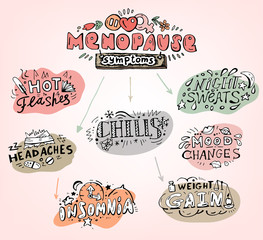
Menopause is a natural phase of life marked by a decline in estrogen and progesterone levels. These hormonal changes can lead to symptoms such as hot flashes, sleep disturbances, mood changes, and reduced bone density.
Certain supplements may help support hormonal balance, reduce symptoms, and improve overall quality of life during menopause.
Effects of supplements are generally modest and depend on individual hormonal and nutritional status.
Common menopause symptoms
- Hot flashes
- Night sweats
- Sleep problems
- Mood swings
- Anxiety or irritability
- Fatigue
- Joint discomfort
- Reduced bone density
Why menopause symptoms occur
👉 Main causes:
- Decline in estrogen
- Hormonal imbalance
- Increased inflammation
- Changes in neurotransmitters
Supplements commonly used for menopause
Magnesium — Best Overall Support
👉 Some evidence suggests that:
- May support sleep quality and stress regulation, particularly in individuals with low magnesium status
- Reduces stress
- Supports muscle relaxation
👉 May help for:
- Sleep problems
- Anxiety
Example supplements:
- Doctor’s Best High Absorption Magnesium Glycinate Lysinate
- NOW Foods Supplements, Magnesium Glycinate 100 mg
Vitamin D — Bone and Hormonal Health
👉 Mechanism:
- Supports bone mineral density, particularly in individuals with low vitamin D levels.
- Helps calcium absorption
👉Suitable for:
- Bone health
- Long-term support
Example supplements:
Omega-3 Fatty Acids — Inflammation and Mood
👉 Moderate evidence suggests omega-3 fatty acids may:
- Reduce inflammation
- Support mood
👉 May help for:
- Joint discomfort
- Emotional balance
Example supplements:
Evening Primrose Oil — Hormonal Support
👉 Benefits:
- Supports hormonal balance
- May reduce hot flashes
Example supplements:
Phytoestrogens (e.g., soy isoflavones)
👉 Mechanisms :
- Mimic mild estrogen effects
👉 May help for:
- Hot flashes
- Hormonal symptoms
Example supplements:
Comparison: Hormonal vs Symptom-Based Support
Phytoestrogens (soy isoflavones):
- Mimic estrogen activity
- Evidence: Moderate
- Most relevant in: Hot flashes and hormonal symptoms
Magnesium:
- Supports nervous system and sleep
- Evidence: Moderate
- Most relevant in: Sleep issues and mood changes
Vitamin D:
- Supports bone and metabolic health
- Evidence: Strong (in deficiency)
- Most relevant in: Bone health and long-term support
👉 Interpretation:
Menopause support includes both hormonal modulation (phytoestrogens) and symptom-based support (magnesium, vitamin D).
Ashwagandha — Stress and Sleep Support
👉 Benefits:
- Reduces cortisol
- Supports relaxation
Calcium — Bone Health Support
👉 Evidence shows that:
- Supports bone density
👉 Important:
- Combine with vitamin D
Zinc — Hormonal and Immune Support
👉 Benefits:
- Supports hormone production
- Supports immune health
Evidence-based supplement combinations
Magnesium + Vitamin D
👉 Benefits:
- Bone + nervous system support
Calcium + Vitamin D
👉 Benefits:
- Strong bone support
Omega-3 + Vitamin D
👉 Benefits:
- Mood + inflammation
Ashwagandha + Magnesium
👉 Benefits:
- Stress + sleep
Phytoestrogens + Omega-3
👉 Benefits:
- Hormonal + anti-inflammatory support
Example supplements:
- Estroven Complete Multi-Symptom Menopause Supplement for Women
- Estroven Complete + Ashwagandha Multi-Symptom Menopause Supplement for Women
Evidence summary:
Moderate evidence supports the use of certain supplements for menopause symptom relief, particularly for sleep, mood, and bone health. Effects vary depending on individual symptoms and baseline nutrient status.
Choose the Right Supplement for Menopause
👉 To simplify:
✔ Hot flashes → Phytoestrogens
✔ Sleep issues → Magnesium + ashwagandha
✔ Bone health → Vitamin D + calcium
✔ Mood → Omega-3
👉 Choosing supplements based on your symptoms leads to better results.
When to take supplements
- Magnesium → evening
- Vitamin D → morning
- Omega-3 → with meals
- Ashwagandha → evening
Safety considerations
- Avoid excessive dosing
- Monitor interactions
- Adjust based on symptoms
Related Guides
- Best supplements for hormonal balance
- Best supplements for PMS
- Magnesium and hormonal health
- Vitamin D and medications
- Best Omega-3 for Different Purposes: How to Choose the Right Type
- Vitamins for Low Energy in Women: What to Take for Fatigue & Weakness
Bottom Line
Supplements such as magnesium, vitamin D, omega-3 fatty acids, and phytoestrogens may help reduce menopause symptoms and support long-term health. The best approach depends on individual symptoms and needs.
What is the best supplement for menopause?
Magnesium and vitamin D are among the most commonly used supplements.
What helps with hot flashes naturally?
Phytoestrogens and omega-3 fatty acids may help reduce symptoms.
Can magnesium help menopause symptoms?
Yes, it may improve sleep, stress, and muscle relaxation.
Is vitamin D important during menopause?
Yes, it supports bone health and hormonal balance.
What supplements help with menopause sleep problems?
Magnesium and ashwagandha are commonly used.
Can omega-3 help mood during menopause?
Yes, omega-3 supports brain health and emotional balance.
Are phytoestrogens safe?
They are generally considered safe but should be used appropriately.
Can I take multiple supplements together?
Some combinations are beneficial, but avoid excessive use.
When should I start menopause supplements?
When symptoms begin or based on individual needs.
Do supplements replace hormone therapy?
No, they support but do not replace medical treatment.
Clinical Note
This content is for informational purposes only and does not constitute medical advice.
Nutritional supplements may support physiological functions but are not a substitute for professional medical evaluation, diagnosis, or treatment.
If symptoms are persistent, severe, or unclear, consultation with a qualified healthcare professional is recommended.