
Melatonin: Benefits, Dosage, Natural Sources and How to Use It Safely
Melatonin is a hormone that regulates the sleep–wake cycle and plays a key role in circadian rhythm, sleep quality, and overall recovery. It is commonly used as a supplement to support sleep, especially in people with insomnia, jet lag, or disrupted sleep patterns.
Understanding how melatonin works, how levels change with age, and how to use it properly can significantly improve results.
What is melatonin?
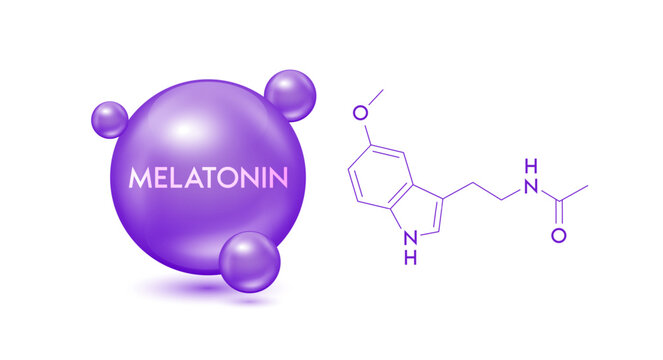
Melatonin is a hormone produced by the pineal gland in response to darkness.
👉 Its main role:
- Regulates sleep–wake cycle
- Signals the body that it is time to sleep
Melatonin levels and age
Melatonin production changes throughout life. Melatonin levels begin to decline in adulthood and decrease significantly with age, contributing to sleep difficulties.
Children and young adults
👉 Typically:
- High natural melatonin levels
- Strong sleep cycles
Adults
👉 Gradual decline begins
- Stress and lifestyle may reduce production
- Sleep quality may decrease
Older adults
👉 Significant reduction in melatonin production
- Lower nighttime levels
- Increased sleep disturbances
👉 This is one of the main reasons sleep problems increase with age.
Natural sources of melatonin
Melatonin is also found in small amounts in foods.
👉 Examples:
- Tart cherries
- Walnuts
- Tomatoes
- Grapes
- Oats
👉 Note:
- Dietary melatonin is low compared to supplements
- Lifestyle (light exposure) has a stronger effect
Benefits of melatonin
Sleep support
👉 Helps:
- Fall asleep faster
- Improve sleep quality
Jet lag and circadian rhythm
👉 Useful for:
- Travel across time zones
- Shift work
Anxiety and relaxation
👉 May:
- Promote relaxation
- Support pre-sleep calmness
Can You Take Melatonin with Anxiety Medication?
Melatonin is widely used for sleep, while anxiety medications affect the central nervous system.
Potential Interaction
1. Increased Sedation
Combination may lead to:
- Drowsiness
- Reduced alertness
2. Individual Sensitivity
Some people may experience:
- Changes in mood
- Increased fatigue
Is It Safe?
👉 Generally low risk
👉 Commonly used together
Practical Tips
- Use low doses
- Take at night
- Monitor response
Bottom Line
Melatonin and anxiety medications are usually safe together, but effects vary between individuals.
Antioxidant effects
👉 Melatonin also:
- Acts as an antioxidant
- Supports cellular protection
Melatonin dosage
Typical doses
- Low dose: 0.5 – 1 mg
- Standard dose: 1 – 3 mg
- Higher dose: 3 – 5 mg (short-term use)
Key principle
👉 Start low and increase gradually
👉 More is NOT always better
How to take melatonin
Timing
👉 Take 30–60 minutes before bedtime
Conditions for effectiveness
- Reduce light exposure
- Avoid screens before sleep
- Maintain consistent sleep schedule
Duration of use
- Short-term use → generally safe
- Long-term use → evaluate periodically
Melatonin combinations (IMPORTANT)
Melatonin + Magnesium
👉 Benefits:
- Improves relaxation
- Supports sleep quality
👉 Common use:
- Sleep support + stress
Melatonin + L-theanine
👉 Benefits:
- Promotes calmness
- Reduces pre-sleep anxiety
Melatonin + Valerian
👉 Benefits:
- Enhances sedative effect
- Useful for insomnia
Melatonin + Vitamin B6
👉 Benefit:
- Supports natural melatonin production
What to avoid with melatonin
- Alcohol
- Excessive caffeine
- High doses without need
Side effects of melatonin
Melatonin is generally well tolerated, but possible effects include:
- Drowsiness
- Dizziness
- Headache
- Vivid dreams
Who should be careful
- People taking sleep medications
- Individuals with depression
- Those on multiple medications
Melatonin and medications
👉 Possible interactions with:
- Sedatives
- Antidepressants
- Blood pressure medications
👉 Recommendation:
- Use caution and monitor response
More on the topic here:
Signs melatonin is working
- Faster sleep onset
- Improved sleep quality
- Reduced nighttime awakenings
When melatonin may not work
- Poor sleep hygiene
- Incorrect timing
- High stress or cortisol
Related Guides
- Best supplements for sleep
- Magnesium for sleep
- Supplements that affect sleep
- Supplements and anxiety
- Magnesium vs Melatonin for Sleep
Bottom Line
Melatonin is a key hormone for sleep regulation and can be an effective supplement when used correctly. Proper timing, dosage, and combination with other nutrients can significantly improve sleep quality and overall recovery.
What is the best dose of melatonin?
Most people benefit from 1–3 mg taken before bedtime.
Is melatonin safe for long-term use?
Melatonin is generally safe for short-term use. Long-term use may be appropriate in some cases, but periodic evaluation is recommended.
Can melatonin cause side effects?
Yes, possible side effects include:
Drowsiness
Dizziness
Headache
Vivid dreams
These are usually mild and dose-related.
Can I take melatonin every night?
Melatonin can be taken regularly, but it is best used as part of a broader sleep strategy rather than a long-term dependency.
Does melatonin work immediately?
Melatonin may help from the first night, but consistent use and proper timing improve effectiveness.
Can melatonin help with anxiety?
Melatonin may support relaxation and reduce pre-sleep anxiety, especially when combined with magnesium or L-theanine.
What happens if I take too much melatonin?
Higher doses may cause:
Grogginess
Headaches
Disrupted sleep patterns
👉 More is not always better.
Is melatonin better than sleeping pills?
Melatonin works differently and is generally milder. It supports natural sleep rhythms rather than forcing sleep.
Can melatonin interact with medications?
Yes, it may interact with sedatives, antidepressants, and blood pressure medications. Caution is advised.
At what age does melatonin decline?
Melatonin levels begin to decline in adulthood and decrease significantly with age, contributing to sleep difficulties.