
Best Supplements for Inflammation: What Works and How to Choose
Inflammation is a natural response in the body, but when it becomes chronic, it can contribute to fatigue, joint pain, metabolic disorders, and long-term health issues.
Certain supplements may help reduce inflammation by targeting oxidative stress, immune response, and inflammatory pathways.
This guide explains the most effective supplements and how to choose the right one.
How supplements reduce inflammation
Effective supplements work by:
- Reducing inflammatory markers
- Supporting antioxidant defenses
- Modulating immune function
👉 Chronic inflammation often requires a consistent and combined approach.
Commonly used supplements for inflammation
Omega-3 Fatty Acids — Best Overall for Inflammation
👉 Mechanism:
- Reduce pro-inflammatory compounds
- Improve cell membrane function
👉 Clinical benefits:
- May reduce joint inflammation
- Supports heart and brain health
👉 Best for:
- Chronic inflammation
- Cardiometabolic health
Turmeric (Curcumin) — Strong Natural Anti-Inflammatory
👉 Mechanism:
- Inhibits inflammatory pathways (NF-kB)
- Reduces oxidative stress
👉 Clinical benefits:
- May reduce joint pain
- Supports inflammatory conditions
👉 Important:
- Better absorbed with black pepper (piperine)
- Turmeric is often combined with bromelain and ginger to enhance anti-inflammatory effects and improve overall outcomes.
Comparison: Systemic vs Targeted Anti-Inflammatory Support
Omega-3:
- Reduces systemic inflammation
- Evidence: Strong
Curcumin:
- Targets inflammatory pathways
- Evidence: Moderate
Magnesium:
- Supports inflammatory balance
- Evidence: Moderate
👉 Interpretation:
Omega-3 provides systemic effects, while curcumin offers targeted anti-inflammatory action.
Magnesium — Support for Stress and Inflammation
👉 Mechanism:
- Reduces stress-related inflammation
- Supports cellular function
👉 Clinical benefits:
- May reduce inflammatory markers
- Supports muscle and nerve function
👉 Best for:
- Stress-related inflammation
- Muscle tension
Vitamin D — Immune and Inflammation Regulator
👉 Mechanism:
- Modulates immune system activity
👉 Clinical benefits:
- May reduce chronic inflammation in deficient individuals
👉 Best for:
- Low vitamin D levels
- Immune-related inflammation
Zinc — Immune and Antioxidant Support
👉 Mechanism:
- Supports immune balance
- Reduces oxidative stress
👉 Clinical benefits:
- Helps regulate inflammatory response
Resveratrol — Antioxidant Support
👉 Mechanism:
- Activates antioxidant pathways
- Reduces oxidative damage
👉 Clinical benefits:
- Supports cellular health
- May reduce inflammation
Ginger — Natural Anti-Inflammatory
👉 Mechanism:
- Reduces inflammatory signaling
👉 Clinical benefits:
- May help with joint pain
- Supports digestion
Which supplement should you choose?
👉 Based on your needs:
- Chronic inflammation → Omega-3 + turmeric
- Joint pain → Turmeric + ginger
- Stress-related inflammation → Magnesium
- Immune imbalance → Vitamin D + zinc
Can you combine supplements?
👉 Effective combinations:
- Omega-3 + vitamin D
- Turmeric + omega-3
- Magnesium + vitamin D
👉 Avoid:
- Excessive stacking of multiple supplements
Turmeric + Bromelain + Ginger — Targeted Combination for Inflammation
Combining turmeric, bromelain, and ginger provides a multi-target approach to reducing inflammation and supporting recovery.
👉 Mechanism:
- Turmeric (curcumin) → reduces inflammatory signaling pathways
- Bromelain → supports protein breakdown and reduces inflammation-related swelling
- Ginger → reduces inflammatory mediators and supports digestion
Clinical benefits
👉 This combination may:
- Reduce joint pain and stiffness
- Support recovery from inflammation
- Improve mobility
- Enhance overall anti-inflammatory effects
Why this combination works
- Targets different inflammatory pathways
- May enhance overall effectiveness compared to single supplements
- Supports both inflammation and digestion
Best for:
- Joint inflammation
- Muscle soreness
- Chronic low-grade inflammation
Practical considerations
- Turmeric is better absorbed with fat or piperine
- Bromelain is often taken between meals for systemic effects
- Ginger may be taken with meals
Bottom Line
The combination of turmeric, bromelain, and ginger provides a comprehensive approach to inflammation by targeting multiple pathways and may be more effective than using a single supplement alone.
Safety considerations
- Start with one supplement
- Monitor response
- Be cautious with medications
👉 Especially important if taking blood thinners.
Example supplements;
- Qunol Turmeric Curcumin with Black Pepper & Ginger
- Vimerson Health Quercetin with Bromelain & Boswellia Turmeric
- Now Foods Turmeric & Bromelain
- Quercetin with Bromelain and Turmeric
- Nordic Naturals ProOmega
Learn more about the above mentioned supplements from our related guides:
- Turmeric benefits and interactions
- Supplements that affect blood sugar
- Best Joint Support Supplements: Glucosamine vs Collagen vs Hyaluronic Acid
- Best Supplements for Muscle and Joint Pain: What Works and How to Choose
- Best Omega-3 for Different Purposes: How to Choose the Right Type
Bottom Line
Supplements such as omega-3 fatty acids, turmeric, magnesium, and vitamin D may help reduce inflammation through different mechanisms. Choosing the right supplement depends on the underlying cause and individual health needs.
What is the best supplement for inflammation?
Omega-3 fatty acids are often considered the most effective overall option.
Does turmeric really reduce inflammation?
Curcumin in turmeric may reduce inflammation, especially when taken consistently.
Is magnesium good for inflammation?
Magnesium may help reduce stress-related inflammation.
Can vitamin D reduce inflammation?
Vitamin D may support immune regulation and reduce inflammation in deficient individuals.
What works best for joint inflammation?
Turmeric and omega-3 fatty acids are commonly used.
Can I take multiple supplements together?
Some combinations are beneficial, but excessive use should be avoided.
How long do supplements take to work?
Effects may take several weeks depending on the supplement.
Are supplements safe with medications?
Some interactions are possible, especially with blood thinners.
See: Supplements to Avoid with Blood Thinners
What is the safest supplement to start with?
Omega-3 or magnesium are often good starting options.
Do supplements replace medical treatment?
No, they support but do not replace medical care.
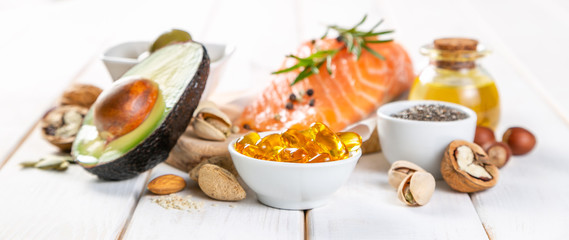
Choosing a well-formulated supplement can improve results and reduce side effects.
👉 Compare high-quality options based on absorption, dosage, and formulation.

Clinical Note
This content is for informational purposes only and does not constitute medical advice.
Nutritional supplements may support physiological functions but are not a substitute for professional medical evaluation, diagnosis, or treatment.
If symptoms are persistent, severe, or unclear, consultation with a qualified healthcare professional is recommended.