
Best Digestive Enzymes for Bloating and Indigestion: How to Choose the Right One
Digestive enzymes are commonly used to reduce bloating, improve digestion, and support nutrient absorption. However, not all enzyme supplements are the same, and choosing the right one depends on your symptoms and digestive needs.
This guide explains which digestive enzymes work best and how to choose the right type.
How digestive enzymes help
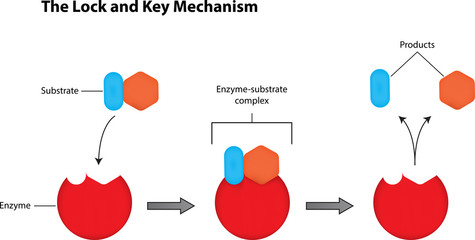
Digestive enzymes break down food into smaller components, making digestion easier and reducing symptoms such as:
- Bloating
- Gas
- Indigestion
- Feeling full after meals
👉 They are most effective when digestion is impaired or overloaded.
Best digestive enzymes for different needs
Full-Spectrum Enzymes — Best Overall Choice
👉 Contain:
- Protease (protein digestion)
- Lipase (fat digestion)
- Amylase (carbohydrates)
👉 May help for:
- General digestive support
- Mixed meals
👉 Why choose:
- Covers all macronutrients
- Most versatile option
Lipase-Focused Enzymes — Best for Fat Digestion
👉 May help for:
- Difficulty digesting fatty foods
- Heavy or greasy meals
👉 Symptoms:
- Bloating after fatty meals
- Feeling slow digestion
Protease-Enriched Enzymes — Best for Protein Digestion
👉 May be useful for:
- High-protein diets
- Feeling heavy after meat or protein
Lactase — Best for Dairy Intolerance
👉 Breaks down lactose (milk sugar)
👉 Potential use for:
- Bloating after dairy
- Lactose intolerance
Alpha-Galactosidase — Best for Gas and Bloating
👉 Helps digest:
- Beans
- Vegetables
👉 Most relevant for:
- Gas and fermentation-related bloating
Which digestive enzyme should you choose?
👉 Based on symptoms:
- General bloating → Full-spectrum enzymes
- Fat-related bloating → Lipase
- Protein heaviness → Protease
- Dairy issues → Lactase
- Gas from vegetables → Alpha-galactosidase
Do you need digestive enzymes?
👉 You may benefit if you:
- Feel bloated after meals
- Experience slow digestion
- Have difficulty with specific foods
Can you combine enzymes with other supplements?
👉 Effective combinations:
- Digestive enzymes + probiotics
- Digestive enzymes + ginger
👉 Avoid:
- Unnecessary use if digestion is normal
How to take digestive enzymes
- Take with meals
- Adjust based on meal size
- Start with lower doses
Safety considerations
- Generally well tolerated
- Avoid excessive use
- Not a replacement for treating underlying conditions
Related Guides
- Why Am I Constipated? Causes, Symptoms, Treatment & Fast Relief
- Best supplements for gut health
- Supplements that affect absorption
- Why supplements cause stomach pain
- Probiotics for Bloating: Best Strains and How to Choose
- Why Do I Keep Getting Bloating, Constipation or Diarrhea? IBS (Irritable Bowel Syndrome) Explained
- Why Am I Vomiting? Causes, Treatment, Dehydration & When to Worry
- Why Do I Have Diarrhea? Causes, Treatment, Dehydration & When to Worry
Bottom Line
Digestive enzymes can significantly improve digestion and reduce bloating when chosen correctly. Full-spectrum enzymes are the best general option, while targeted enzymes such as lactase or lipase are useful for specific symptoms.
What is the best digestive enzyme for bloating?
Full-spectrum digestive enzymes are usually the best starting option.
Do digestive enzymes work immediately?
They often work quickly, especially when taken with meals.
Should I take digestive enzymes every day?
They can be used as needed or regularly depending on symptoms
Are digestive enzymes safe?
They are generally safe when used appropriately.
Can digestive enzymes help with gas?
Yes, especially enzymes like alpha-galactosidase.
What enzyme helps digest fat?
Lipase is responsible for fat digestion.
Can I take enzymes with probiotics?
Yes, they can be combined for better digestive support.
Do I need enzymes if I eat healthy?
Not always, but they may help if symptoms are present.
What are signs of poor digestion?
Bloating, heaviness, and discomfort after meals.
Can enzymes replace medical treatment?
No, they are supportive, not a replacement.
Clinical Note
This content is for informational purposes only and does not constitute medical advice.
Nutritional supplements may support physiological functions but are not a substitute for professional medical evaluation, diagnosis, or treatment.
If symptoms are persistent, severe, or unclear, consultation with a qualified healthcare professional is recommended.