Supplements That Interfere with Thyroid Medication (What to Avoid and What Helps)
Thyroid medications, such as levothyroxine, are sensitive to interactions with supplements. Taking certain vitamins or minerals at the wrong time can reduce medication absorption and affect thyroid hormone levels.
Understanding these interactions is essential for maintaining stable thyroid function.
Can supplements affect thyroid medication?
Yes, many supplements can interfere with thyroid medication.
👉 They may:
- Reduce medication absorption
- Alter hormone levels
- Affect thyroid function
Why interactions happen
Thyroid medications are absorbed in the intestines and are highly sensitive to:
- Minerals
- Food
- Other supplements
👉 Even small changes can affect effectiveness.
Supplements that interfere with thyroid medication
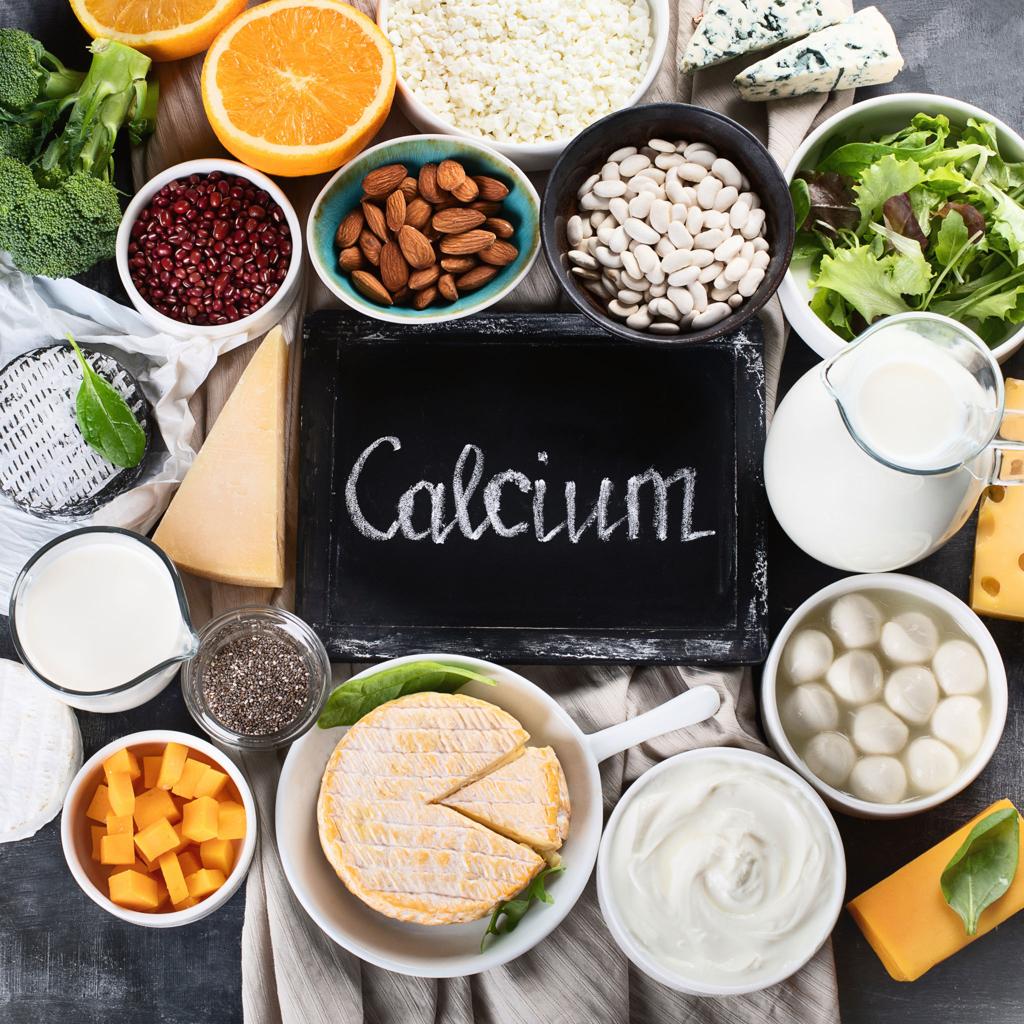
Calcium
Calcium supplements can significantly reduce the absorption of thyroid medication, particularly levothyroxine.
👉 Mechanism:
- Calcium binds to thyroid medication in the gastrointestinal tract
- This reduces the amount of hormone absorbed
👉 Clinical impact:
- May lead to inadequate thyroid hormone levels
- Can result in persistent symptoms despite correct dosing
👉 Recommendation:
- Separate calcium and thyroid medication by at least 4 hours
👉 This interaction is well-documented and clinically significant.
Iron
👉 Strong interaction
- Binds to thyroid medication in the gut
- Reduces absorption
👉 Recommendation:
- Separate by at least 4 hours
Magnesium
👉 May interfere with absorption
👉 Recommendation:
- Take at a different time of day
Related articles:
- Magnesium and Medication Interactions: What You Should Know
- Why Magnesium Doesn’t Work (and How to Fix It)
Zinc
👉 Can compete for absorption
👉 Recommendation:
- Avoid taking at the same time
Soy Supplements
Soy-based supplements and foods may interfere with the absorption of thyroid medication, particularly levothyroxine.
👉 Mechanism:
- Soy proteins and compounds may reduce intestinal absorption of thyroid hormone
- May alter gastrointestinal transit and binding
👉 Clinical impact:
- Reduced effectiveness of thyroid medication
- Increased variability in thyroid hormone levels
👉 Additional considerations:
- Effects are more significant with high soy intake (supplements, soy protein products)
- Infants and individuals relying heavily on soy-based diets may be more affected
👉 Recommendation:
- Avoid taking soy supplements close to thyroid medication
- Maintain consistent dietary intake to avoid fluctuations
👉 Patients using thyroid medication should monitor thyroid levels when consuming significant amounts of soy.
Supplements that support thyroid function
Iodine
Iodine is essential for the synthesis of thyroid hormones (T3 and T4), but its supplementation requires careful consideration.
👉 Role:
- Required for thyroid hormone production
- Deficiency may lead to hypothyroidism
👉 Important:
- Both deficiency and excess iodine can disrupt thyroid function
👉 Clinical considerations:
- Excess iodine intake may worsen autoimmune thyroid conditions
- High intake can trigger thyroid dysfunction in susceptible individuals
👉 Practical use:
- Supplementation should be based on deficiency, not routine use
- Dietary sources are often sufficient in most individuals
👉 Iodine supplementation should be used cautiously, especially in patients with thyroid disease.
Selenium
Selenium plays a critical role in thyroid hormone metabolism and immune regulation.
Selenium supplementation (typically 100–200 μg/day) may be beneficial in individuals with autoimmune thyroid conditions such as Hashimoto’s thyroiditis or Graves’ disease.
👉 Clinical effects:
- May reduce thyroid antibody levels (TPOAb, TgAb)
- Supports conversion of T4 to active T3
- Reduces oxidative stress in thyroid tissue
👉 Clinical use:
- Often used as an adjunct to levothyroxine or anti-thyroid medications
- May help improve inflammatory markers and disease activity
👉 Important considerations:
- Effects are more pronounced in selenium-deficient individuals
- Excess intake may lead to toxicity (selenosis)
👉 Supplementation should be targeted and not excessive.
Zinc
Zinc is involved in multiple aspects of thyroid function, including hormone synthesis and immune regulation. However, zinc supplementation may interfere with thyroid medication absorption when taken simultaneously.
👉 Mechanism:
- Zinc can bind to thyroid medication in the gastrointestinal tract
- This may reduce the absorption of levothyroxine
👉 Clinical impact:
- Reduced effectiveness of thyroid medication
- Persistent hypothyroid symptoms despite adequate dosing
👉 Additional role:
- Zinc deficiency may impair thyroid hormone production
- Supports immune balance in thyroid disorders
👉 Recommendation:
- Take zinc supplements at least 3–4 hours apart from thyroid medication
👉 Zinc supplementation may be beneficial in deficiency but requires proper timing to avoid interaction.
Can supplements improve thyroid function?
👉 In some cases:
- Correcting deficiencies (iodine, selenium) may support thyroid health
👉 However:
- Supplements do not replace thyroid medication when needed
Symptoms of poor thyroid medication absorption
- Fatigue
- Weight changes
- Cold sensitivity
- Hair thinning
- Brain fog
👉 These may indicate interaction issues.
How to take thyroid medication correctly
- Take on an empty stomach
- Take with water
- Wait 30–60 minutes before eating
- Avoid supplements for at least 3–4 hours
Who should be careful?
- People taking levothyroxine
- Individuals with hypothyroidism
- Those taking multiple supplements
Related Guides
- Supplements that block absorption
- Iron supplements and interactions
- Zinc and medication interactions
- Calcium Supplements and Medications: Interactions You Should Know
Bottom Line
Many supplements, including calcium, iron, and magnesium, can interfere with thyroid medication absorption. Proper timing and spacing are essential. Nutrients like iodine and selenium support thyroid function but should be used carefully to avoid imbalance.
What supplements should not be taken with thyroid medication?
Calcium, iron, magnesium, and soy supplements can interfere with absorption.
How long should I wait to take supplements after thyroid medication?
It is generally recommended to wait at least 3–4 hours.
It is generally recommended to wait at least 3–4 hours.
Does magnesium interfere with thyroid medication?
Can I take vitamin D with thyroid medication?
Vitamin D is usually safe but should not be taken at the same time.
Is iodine safe for thyroid health?
Iodine is essential, but both low and high intake can affect thyroid function.
What does selenium do for the thyroid?
Selenium helps convert thyroid hormone into its active form and supports thyroid health.
Can supplements improve thyroid function?
They may help correct deficiencies but do not replace medication.
Why is my thyroid medication not working?
Possible reasons include poor absorption, incorrect timing, or supplement interactions.
Can food affect thyroid medication?
Yes, food and supplements can reduce absorption if taken too close together.
Should I stop supplements if I take thyroid medication?
Not necessarily, but timing and choice of supplements are important.

Clinical Note
This content is for informational purposes only and does not constitute medical advice.
Nutritional supplements may support physiological functions but are not a substitute for professional medical evaluation, diagnosis, or treatment.
If symptoms are persistent, severe, or unclear, consultation with a qualified healthcare professional is recommended.