
Vitamin D: Benefits, Deficiency Symptoms, Dosage, and Best Sources
Vitamin D is a fat-soluble nutrient essential for bone health, immune function, muscle strength, and hormone regulation. Unlike most vitamins, vitamin D functions more like a hormone, influencing hundreds of processes throughout the body.
Despite its importance, vitamin D deficiency is one of the most common nutrient deficiencies worldwide.
This guide covers everything you need to know about vitamin D, including its benefits, deficiency symptoms, optimal dosage, and best sources.
What Is Vitamin D?
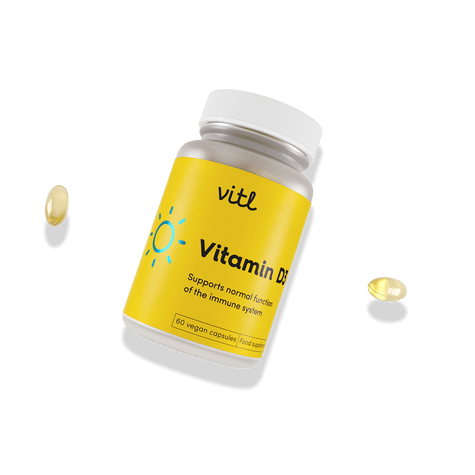
Vitamin D is produced in the skin when exposed to sunlight. It can also be obtained through certain foods and supplements.
There are two main forms:
- Vitamin D2 (ergocalciferol) – found in plant sources and fortified foods
- Vitamin D3 (cholecalciferol) – produced by the skin and found in animal-based foods
Vitamin D3 is generally considered more effective at raising blood levels.
Why Is Vitamin D Important?
Vitamin D plays a role in multiple critical systems in the body.
1. Bone Health
Vitamin D helps the body absorb calcium and phosphorus. Without adequate vitamin D, bones can become weak, brittle, or soft.
Severe deficiency may lead to:
- Rickets in children
- Osteomalacia in adults
- Increased fracture risk
2. Immune Function
Vitamin D supports both innate and adaptive immune responses.
Low levels have been associated with:
- Increased susceptibility to infections
- Impaired immune regulation
3. Muscle Function
Adequate vitamin D supports muscle strength and coordination. Low levels may contribute to muscle weakness and increased fall risk, especially in older adults.
4. Hormonal and Metabolic Health
Vitamin D receptors are present in many tissues, including:
- Pancreas
- Brain
- Cardiovascular system
- Reproductive organs
Research continues to explore vitamin D’s role in mood regulation, insulin sensitivity, and cardiovascular health.
Vitamin D Deficiency Symptoms
Vitamin D deficiency can be subtle and develop gradually.
Common signs may include:
- Fatigue
- Bone or back pain
- Muscle weakness
- Frequent infections
- Low mood
- Hair thinning
Severe deficiency may lead to more serious skeletal complications.
Blood testing (25-hydroxyvitamin D) is the most reliable way to assess status.
Who Is at Risk for Vitamin D Deficiency?
Certain groups are more likely to have low levels:
- Individuals with limited sun exposure
- People living in northern climates
- Older adults
- Individuals with darker skin
- People who use sunscreen consistently
- Individuals with obesity
- Those with malabsorption conditions
Indoor lifestyles significantly reduce natural vitamin D synthesis.
Recommended Vitamin D Dosage
The Recommended Dietary Allowance (RDA):
- Adults 19–70 years: 600 IU (15 mcg) per day
- Adults over 70: 800 IU (20 mcg) per day
However, many experts suggest higher daily intake may be necessary to maintain optimal blood levels.
Common supplemental doses range from:
1,000–2,000 IU daily
The tolerable upper intake level for most adults is 4,000 IU per day unless supervised by a healthcare professional.
Blood testing can help personalize dosage.
For more informatione see the articles:
Best Sources of Vitamin D
1. Sunlight
Direct sun exposure triggers vitamin D production in the skin.
Factors that influence production include:
- Time of day
- Season
- Latitude
- Skin pigmentation
- Sunscreen use
Short periods of midday sun exposure may be sufficient for some individuals.
2. Food Sources
Few foods naturally contain vitamin D.
Natural sources include:
- Fatty fish (salmon, mackerel, sardines)
- Egg yolks
- Cod liver oil
Fortified foods may include:
- Milk
- Plant-based milk alternatives
- Breakfast cereals
3. Supplements
Vitamin D supplements are widely available and often necessary for individuals with low sun exposure.
Vitamin D3 (cholecalciferol) is generally preferred due to better bioavailability.
Supplements are available in:
- Capsules
- Softgels
- Liquid drops
- Combination formulas

Can You Take Too Much Vitamin D?
Yes.
Excessive vitamin D intake can lead to toxicity, although it is rare and usually caused by very high supplement doses.
Symptoms of vitamin D toxicity may include:
- Nausea
- Vomiting
- Weakness
- Kidney complications
- Elevated blood calcium levels
Avoid megadosing unless medically supervised.
Vitamin D and Magnesium
Magnesium plays a role in activating vitamin D in the body.
Low magnesium levels may impair vitamin D metabolism.
For more information, see our complete guide to magnesium.
Final Thoughts
Vitamin D is essential for bone strength, immune health, muscle function, and overall well-being.
Because deficiency is common, many individuals benefit from monitoring levels and supplementing appropriately.
Optimal intake depends on sun exposure, diet, age, and individual health factors.
Testing and personalized dosing are the most reliable ways to ensure adequate vitamin D status
Related guides
- Vitamin D Deficiency
- Vitamin D Dosage
- Vitamin D Side Effects
- Vitamin D and Immune System
- Vitamin D and Depression
- Vitamin D and Fatigue
- Vitamin D and Anxiety
- Vitamin D and Sleep
- Best Vitamin D Supplements
- Magnesium and Vitamin D