
Vitamin C is an essential nutrient that supports immune function, skin health, and antioxidant protection. While many people get enough through diet, supplementation is common—especially during illness, stress, or increased physical demands.
Understanding the correct vitamin C dosage is important to avoid deficiency while staying within safe limits. This guide explains how much vitamin C you need daily, safe upper limits, and how to take it effectively.
Recommended Daily Intake
The recommended daily intake of vitamin C depends on age and lifestyle:
- Men: 90 mg/day
- Women: 75 mg/day
- Smokers: +35 mg/day
👉 Needs may increase during illness or stress.

Vitamin C Dosage for Specific Goals
Higher doses are often used for targeted benefits:
- Immune support: 200–500 mg/day
- General health: 100–200 mg/day
- Short-term high intake (e.g. illness): up to 1000 mg/day
👉 These are commonly used ranges.
Upper Limit !
The safe upper limit for vitamin C is:
👉 2000 mg per day
Exceeding this regularly may cause side effects.
❓ Can too much vitamin C cause kidney stones?
High doses of vitamin C may increase the risk of kidney stones in some individuals.
Vitamin C can be converted into oxalate in the body, which may contribute to the formation of kidney stones—especially in people who are prone to them.
This risk is more likely with:
- Long-term high intake (typically above 1000–2000 mg/day)
- A history of kidney stones
- Low fluid intake
👉 Staying within recommended limits and maintaining proper hydration can help reduce this risk.
🔹 Vitamin C Side Effects & Overdose (IMPORTANT)
Vitamin C is generally safe when taken within recommended amounts. However, high doses may cause side effects, especially when taken regularly in large amounts.
⚠️ Common side effects:
- Nausea
- Stomach cramps
- Diarrhea
- Bloating
⚠️ High-dose risks:
Taking large amounts of vitamin C (typically above 1000–2000 mg per day) may increase the risk of:
- Kidney stones (in susceptible individuals)
- Digestive discomfort
- Nutrient imbalances
🧠 Important note:
Vitamin C is water-soluble, and excess amounts are usually excreted. However, long-term high intake may still lead to unwanted effects.
👉 The tolerable upper intake level for vitamin C is:
👉 2000 mg per day
💧 Tip:
Staying hydrated may help reduce the risk of side effects, especially kidney stones.
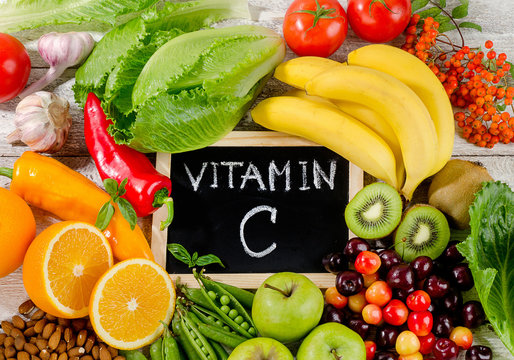
How to Take Vitamin C
- Take with food (gentler on stomach)
- Split doses (better absorption)
- Combine with iron (improves absorption)
👉 This is especially useful for iron deficiency.
Vitamin C & Iron
Vitamin C significantly improves iron absorption, especially from plant-based sources. This makes it particularly important for individuals with iron deficiency or low energy levels.
Combining vitamin C with iron-rich foods or supplements can enhance absorption and improve results.
- Iron Dosage: How Much Iron Should You Take Daily? (Safe Guide)
- Iron Side Effects: Signs of Too Much Iron & Toxicity Risks
- Iron Deficiency Symptoms: 12 Signs Your Body May Be Low in Iron
Smoking increases oxidative stress and depletes vitamin C levels, making adequate intake especially important.
How much vitamin C should I take daily?
Most adults need 75–90 mg daily, but supplements often range from 100–500 mg.
Is 1000 mg of vitamin C safe?
Yes, short-term use is generally safe, but long-term high doses should be monitored.
Can you take vitamin C every day?
Yes, daily intake is safe within recommended limits.
Does vitamin C help with iron absorption?
Does vitamin C help with iron absorption?
Do smokers need more vitamin C?
Yes, smokers typically require more vitamin C than non-smokers. Smoking increases oxidative stress and reduces vitamin C levels in the body.
Because of this, smokers are generally advised to consume:
👉 At least 35 mg more vitamin C per day than the standard recommended intake.
How much vitamin C should smokers take daily?
Most guidelines suggest:
Men: 90 mg/day
Women: 75 mg/day
👉 Smokers: +35 mg/day
This means smokers may benefit from:
👉 100–125 mg per day or more
Does vitamin C protect the lungs in smokers?
Vitamin C acts as an antioxidant and helps reduce oxidative stress caused by smoking. While it supports overall health and may help protect cells from damage, it does not fully prevent the harmful effects of smoking.
Is 100 mg of vitamin C enough for smokers?
Around 100 mg per day may help maintain adequate levels in smokers, but some individuals may benefit from slightly higher intake depending on diet and lifestyle.
Should smokers take vitamin C supplements?
Smokers who do not get enough vitamin C from diet may benefit from supplementation. However, it is best to stay within recommended daily limits unless advised otherwise.
This article is based on current scientific evidence and general nutritional guidelines.