

Omega-3: Benefits, EPA/DHA Ratios, Dosage, Side Effects and Interactions
Omega-3 fatty acids are essential fats that play a key role in heart health, brain function, and inflammation control. They are commonly taken as supplements, especially in the form of fish oil.
The main active components of omega-3 supplements are EPA (eicosapentaenoic acid) and DHA (docosahexaenoic acid), each with different effects in the body.
What are omega-3 fatty acids?
Omega-3s are polyunsaturated fatty acids that the body cannot produce in sufficient amounts. They must be obtained through diet or supplements.
The most important types are:
- EPA → anti-inflammatory, cardiovascular support
- DHA → brain and eye health
Omega-3 Sources: Fish Oil, Krill Oil, and Other Options
Omega-3 supplements come from different sources, and their quality, absorption, and composition can vary.
Understanding these differences helps in choosing the most appropriate option.
Fish Oil
Fish oil is the most common and widely studied source of omega-3.
👉 Contains:
- EPA and DHA in significant amounts
👉 Pros:
- High concentration of EPA and DHA
- Strong scientific evidence
- Widely available
👉 Cons:
- May cause fishy aftertaste
- Quality varies depending on purification
Salmon Oil
Salmon oil is a type of fish oil derived specifically from salmon.
👉 Characteristics:
- Naturally contains EPA and DHA
- Often less concentrated than standard fish oil
👉 Pros:
- More “natural” profile
- Contains additional nutrients
👉 Cons:
- Lower EPA/DHA concentration
- May require higher doses
Krill Oil
Krill oil contains omega-3 in phospholipid form.
👉 Pros:
- Better absorption in some cases
- Lower risk of fishy aftertaste
👉 Cons:
- Lower total omega-3 content
- More expensive
Algae Oil (Plant-Based Option)
Derived from marine algae.
👉 Pros:
- Suitable for vegetarians and vegans
- Contains DHA (and sometimes EPA)
👉 Cons:
- Often lower EPA content
- Higher cost
Differences in Quality
Not all omega-3 supplements are the same. Quality depends on several factors.
Purity and Contaminants
High-quality products are purified to remove:
- Heavy metals (mercury)
- Environmental toxins
EPA and DHA Content
Check the label for actual EPA and DHA amounts, not just total fish oil.
👉 Example:
- 1000 mg fish oil ≠ 1000 mg omega-3
Form of Omega-3
- Triglyceride form → better absorption
- Ethyl ester form → less natural, sometimes lower absorption
Oxidation (Freshness)
Oxidized oils may:
- Lose effectiveness
- Cause unpleasant taste
👉 Look for:
- Fresh products
- Proper storage
How to Choose a Good Omega-3 Supplement
- Check EPA and DHA content
- Choose purified products
- Prefer triglyceride form when possible
- Avoid very low-quality, cheap products
Bottom Line
Fish oil remains the most studied and widely used omega-3 source, while krill and algae oil offer alternatives with different absorption and composition profiles. Choosing a high-quality product is essential for effectiveness and safety.
How to Read Omega-3 Supplement Labels (What Really Matters)
Omega-3 supplement labels can be confusing. Many products highlight total fish oil content, but the most important values are EPA and DHA.
Understanding how to read labels helps you choose an effective and high-quality product.
Total Fish Oil vs EPA and DHA
Many supplements list:
- 1000 mg fish oil
👉 This does NOT mean 1000 mg omega-3.
The key values are:
- EPA (eicosapentaenoic acid)
- DHA (docosahexaenoic acid)
👉 Example:
- Fish oil: 1000 mg
- EPA: 180 mg
- DHA: 120 mg
👉 Actual omega-3 = 300 mg
Why EPA and DHA Matter
EPA and DHA are the active components responsible for most health benefits.
👉 Always choose products that clearly list both.
Check the EPA/DHA Ratio
Look for ratios based on your goal:
- Heart health → higher EPA
- Brain support → more DHA
- General use → balanced ratio
Look at the Form of Omega-3
Common forms:
- Triglyceride (TG) → better absorption
- Ethyl ester (EE) → less natural form
👉 Triglyceride form is often preferred.
Check Serving Size
Some labels list omega-3 per capsule, others per serving (multiple capsules).
👉 Always calculate:
- Total EPA + DHA per day
Watch for Additives
Some products include:
- Flavoring agents
- Fillers
👉 Simpler formulations are often better.
Quality Indicators
Look for:
- Third-party testing
- Purity certifications
- Freshness (no strong fishy smell)
Common Mistakes to Avoid
- Choosing based on total fish oil instead of EPA/DHA
- Ignoring dosage per serving
- Buying very low-cost, low-quality products
Bottom Line
The most important factor when choosing an omega-3 supplement is the amount of EPA and DHA—not the total fish oil. Understanding labels helps ensure you are getting an effective and high-quality product.
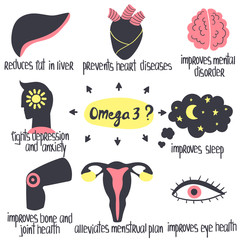
Benefits of omega-3
Omega-3 fatty acids may help:
- Support heart health
- Reduce inflammation
- Improve triglyceride levels
- Support brain function
- Promote eye health
EPA vs DHA: What’s the difference?
EPA and DHA have different roles:
EPA (Eicosapentaenoic Acid)
- Strong anti-inflammatory effects
- Supports cardiovascular health
- Often used for mood support
DHA (Docosahexaenoic Acid)
- Important for brain and nervous system
- Supports vision
- Essential during pregnancy and development
Best EPA/DHA ratios for different goals
Choosing the right ratio is important.
Heart health
👉 Higher EPA
- EPA → 2:1 or higher EPA
Inflammation and joint support
👉 High EPA formulas
- EPA → 2:1 to 3:1
Brain and cognitive function
👉 Balanced or higher DHA
- EPA → 1:1 or DHA slightly higher
Pregnancy and development
👉 DHA-focused
- Higher DHA content
Omega-3 dosage
Typical daily doses:
- General health → 250–500 mg EPA + DHA
- Heart health → 1000 mg or more
- High triglycerides → higher doses (under medical guidance)
How to take omega-3
- Take with meals (better absorption)
- Prefer high-quality fish oil or purified supplements
- Consistent daily use is important
Side effects of omega-3
Omega-3 is generally well tolerated, but may cause:
- Fishy aftertaste
- Mild digestive discomfort
- Nausea
Omega-3 and medication interactions
Omega-3 can interact with certain medications.
Omega-3 (Fish Oil) and Blood Thinners
Omega-3 fatty acids may have mild blood-thinning effects by influencing platelet function.
Potential effects
- Increased bleeding tendency
- Easier bruising
When to be careful
- High doses of omega-3
- Combination with anticoagulants or aspirin
Is it safe?
👉 In most cases:
- Low to moderate doses are considered safe
👉 However:
- High doses should be used cautiously
Bottom Line
Omega-3 supplements may enhance the effects of blood thinners, especially at higher doses. Monitoring and appropriate dosing are recommended.lood thinners
Blood pressure medications
Omega-3 may lower blood pressure.
👉 Combined effect:
- Possible low blood pressure
Statins
Omega-3 is generally safe and may complement statin therapy by improving lipid profile.
Who should be careful?
- People taking blood thinners
- Individuals preparing for surgery
- Those using high doses of omega-3
Related Guides
- Supplements and blood pressure medications
- Statins and supplements
- Supplements to avoid with blood thinners
- Evening Primrose Oil: Benefits, Dosage, Side Effects and Interactions
- Best Omega-3 for Different Purposes: How to Choose the Right Type
Bottom Line
Omega-3 fatty acids provide important health benefits, particularly for heart and brain health. Choosing the right EPA/DHA ratio and using appropriate doses helps maximize benefits while minimizing risks.
What is the difference between EPA and DHA?
EPA mainly supports inflammation and heart health, while DHA is important for brain and eye function.
What is the best EPA/DHA ratio?
The best ratio depends on the goal:
– Heart health → higher EPA
– Brain health → more DHA
– General use → balanced ratio
How much omega-3 should I take daily?
Most people take 250–1000 mg of combined EPA and DHA daily, depending on health goals.
Can omega-3 thin the blood?
Omega-3 may have mild blood-thinning effects, especially at higher doses.
Is omega-3 safe with medications?
It is generally safe, but caution is needed with blood thinners and blood pressure medications.
Can omega-3 lower blood pressure?
Yes, omega-3 may slightly lower blood pressure.
Are there side effects of omega-3?
Possible side effects include fishy aftertaste, nausea, and mild digestive issues.
Should I take omega-3 with food?
Yes, taking omega-3 with meals improves absorption.
Is fish oil the same as omega-3?
Fish oil is a common source of omega-3, containing EPA and DHA.
Can I take omega-3 every day?
Yes, daily use is common and generally safe at recommended doses.
This article is based on current scientific evidence and general nutritional guidelines.