
How to Lower Cortisol Naturally (Evidence-Based Guide)
Cortisol is known as the body’s primary stress hormone. While short-term increases in cortisol help the body respond to challenges, chronically elevated cortisol can lead to fatigue, anxiety, poor sleep, weight gain, and hair loss.
Fortunately, several natural strategies can help regulate cortisol levels and support a healthy stress response.
This guide explains how to lower cortisol naturally, including lifestyle strategies, supplements, and dietary changes supported by scientific research.
What Is Cortisol?
Cortisol is a hormone produced by the adrenal glands. It plays an important role in:
- stress response
- blood sugar regulation
- metabolism
- immune function
- sleep-wake cycles
However, chronic stress can cause cortisol levels to remain elevated for long periods.
High cortisol levels are associated with:
- anxiety
- insomnia
- fatigue
- weight gain
- hair loss
- poor concentration
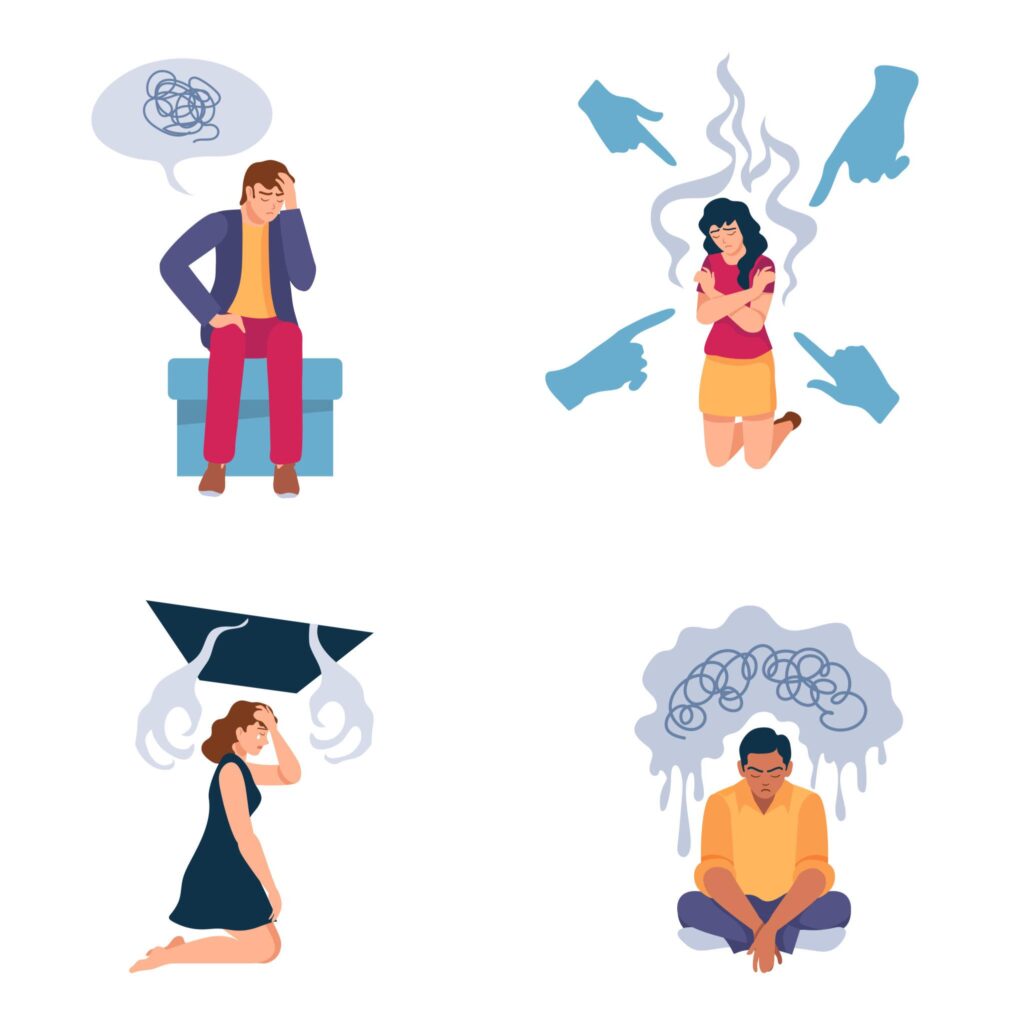
Signs Your Cortisol May Be Too High
Common symptoms of chronically elevated cortisol include:
- difficulty falling asleep
- waking up at night
- constant fatigue
- anxiety or irritability
- sugar cravings
- abdominal weight gain
- frequent headaches
If these symptoms persist, addressing stress and cortisol regulation becomes important.
7 Natural Ways to Lower Cortisol
1. Improve Sleep Quality
Sleep is one of the most important regulators of cortisol.
Poor sleep causes cortisol to remain elevated the following day.
Strategies that support cortisol balance include:
- consistent sleep schedule
- limiting caffeine late in the day
- reducing evening screen exposure
Magnesium supplementation may also help promote relaxation and improve sleep quality.
Related guides:
- Sleep Hygiene Checklist: Simple Steps for Better Sleep Every Night
- Cortisol and Sleep: How Stress Hormones Affect Your Sleep Quality
- Signs of Poor Sleep Quality: How to Know If You’re Not Sleeping Well
- Signs of High Cortisol
2. Manage Daily Stress
Chronic psychological stress is the main driver of elevated cortisol.
Simple practices that reduce stress include:
- meditation
- breathing exercises
- yoga
- time in nature
- regular breaks during work
Even 10 minutes of relaxation practices daily can significantly lower cortisol levels.
3. Exercise — But Avoid Overtraining
Moderate exercise lowers cortisol over time.
Good options include:
- walking
- cycling
- resistance training
- swimming
However, excessive high-intensity training can actually increase cortisol.
Balance is key.
4. Eat a Balanced Diet
Diet plays an important role in hormonal balance.
Nutrients that support cortisol regulation include:
- magnesium
- vitamin D
- omega-3 fatty acids
- B vitamins
Whole foods such as vegetables, fish, nuts, and whole grains help stabilize blood sugar and prevent cortisol spikes.
5. Consider Natural Supplements
Some supplements have been studied for their potential effects on stress and cortisol regulation.
Common options include:
- magnesium glycinate
- ashwagandha
- L-theanine
- rhodiola rosea
- vitamin D
Magnesium is especially important because it supports the nervous system and relaxation response.
6. Reduce Excess Caffeine
High caffeine intake can stimulate cortisol release.
If you experience anxiety or sleep problems, reducing caffeine intake may help lower cortisol levels.
7. Spend Time Outdoors
Exposure to sunlight and nature can significantly reduce stress hormones.
Outdoor walking, hiking, or simply spending time in natural environments can support cortisol balance.
Best Supplements That May Support Cortisol Balance
Common supplements used for stress support include:
- magnesium glycinate
- ashwagandha
- rhodiola
- L-theanine
Magnesium is often considered one of the most effective natural options because it supports muscle relaxation and nervous system function.
When to See a Doctor
Persistently high cortisol may sometimes indicate medical conditions such as:
- adrenal disorders
- chronic stress syndrome
- hormonal imbalance
If symptoms are severe or persistent, medical evaluation is recommended.
FAQ
What causes high cortisol?
Chronic stress, poor sleep, excessive caffeine, and overtraining can raise cortisol levels.
Can magnesium lower cortisol?
Magnesium may help regulate the nervous system and support relaxation, which can indirectly lower cortisol levels.
How long does it take to reduce cortisol?
Lifestyle changes can begin improving cortisol balance within a few weeks.
Conclusion
Chronically elevated cortisol can negatively affect sleep, mood, metabolism, and overall health. Fortunately, natural strategies such as improving sleep, managing stress, exercising moderately, and maintaining a balanced diet can help regulate cortisol levels.
Supplements like magnesium may also support relaxation and stress resilience when combined with healthy lifestyle habits.
Related guides: