Best Zinc Supplements for Immune Support and Hair Health
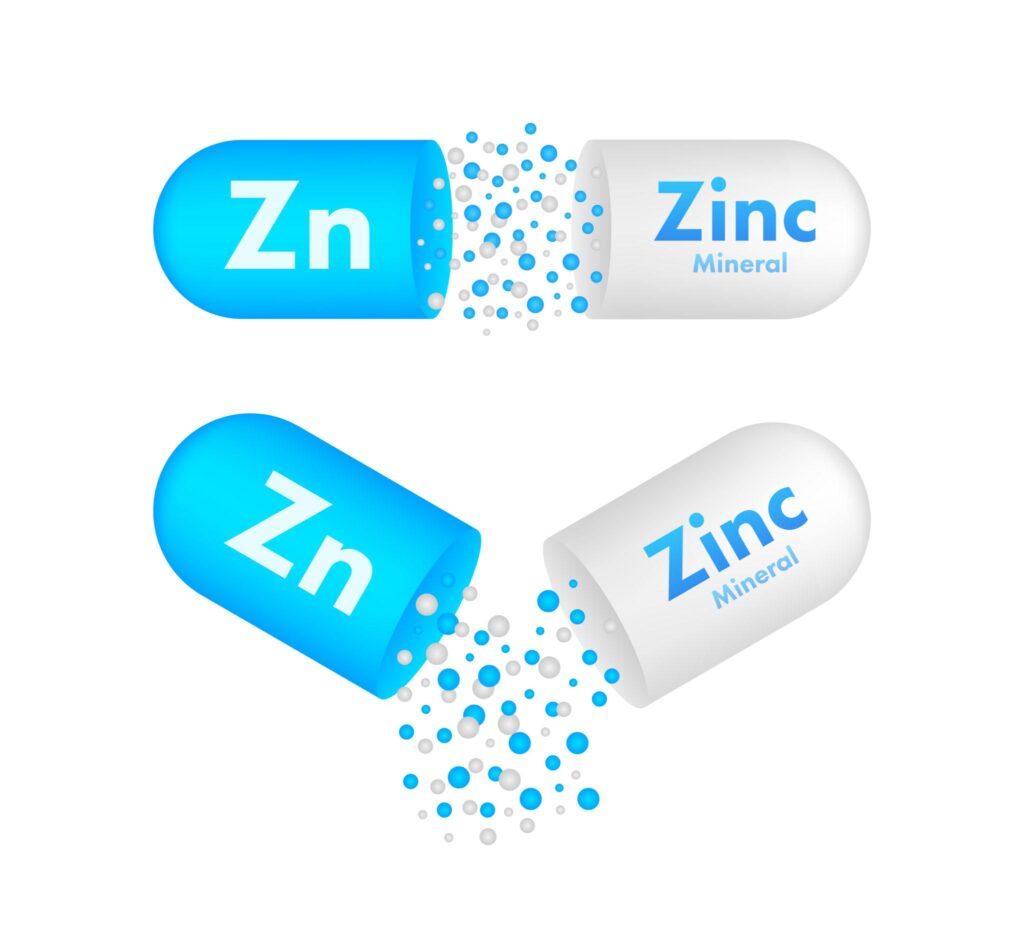
Zinc is an essential mineral that supports immune function, hormone balance, skin health, and wound healing. When dietary intake is insufficient, zinc supplements may help maintain healthy levels.
This guide explains the best forms of zinc supplements, how they work, and how to choose a high-quality product.
Why People Take Zinc Supplements
Zinc supplements are commonly used for:
- immune support
- reducing cold duration
- improving skin health
- supporting hair growth
- correcting zinc deficiency
Low zinc levels may contribute to hair thinning, fatigue, weakened immunity, and slow wound healing.
Best Forms of Zinc Supplements
Different forms of zinc vary in absorption and digestive tolerance.
Zinc Picolinate
Often considered one of the best absorbed forms.
Benefits:
- high bioavailability
- gentle on digestion
- commonly used for deficiency correction
Zinc Citrate
A widely used and well-absorbed form.
Benefits:
- good absorption
- affordable
- widely available
Zinc Gluconate
Common in cold-relief supplements.
Benefits:
- moderate absorption
- often used in lozenges
Zinc Bisglycinate
A chelated form designed for optimal absorption.
Benefits:
- highly bioavailable
- gentle on the stomach
What to Look for in a Zinc Supplement
When choosing a supplement, consider:
Dose
Most supplements provide between 15–30 mg per serving.
Form
Chelated forms such as picolinate or bisglycinate may absorb better.
Quality
Look for brands that provide:
- third-party testing
- clear ingredient labels
- minimal fillers
Zinc Supplements and Hair Health
Zinc is essential for hair follicle function and protein synthesis.
Low zinc levels may contribute to:
- hair shedding
- weakened hair strands
- poor scalp health
Correcting deficiency may support healthier hair growth, especially when combined with other nutrients such as iron, biotin, and vitamin D.
Can You Take Too Much Zinc?
Excessive zinc intake can cause side effects.
Possible symptoms include:
- nausea
- stomach discomfort
- reduced copper absorption
Long-term intake above 40 mg per day should generally be avoided unless recommended by a healthcare professional.
Who May Benefit Most From Zinc Supplements
Supplementation may help people who:
- follow vegetarian or vegan diets
- have digestive disorders
- experience frequent infections
- show signs of zinc deficiency
The Bottom Line
Zinc supplements can help support immune health, skin health, and hair growth when dietary intake is insufficient.
The best forms often include:
- zinc picolinate
- zinc citrate
- zinc bisglycinate
Choosing a high-quality supplement and appropriate dosage is key to maintaining balanced mineral levels.
Related guides: